
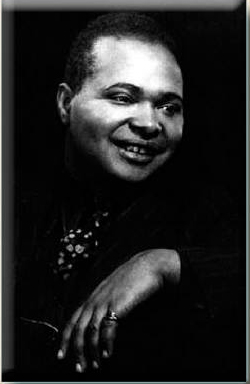
Biography
1903 - 1946
“There is no secret to success except hard work and getting something indefinable which we call 'the breaks.' In order for a writer to succeed, I suggest three things - read and write - and wait.”
– Countee Cullen
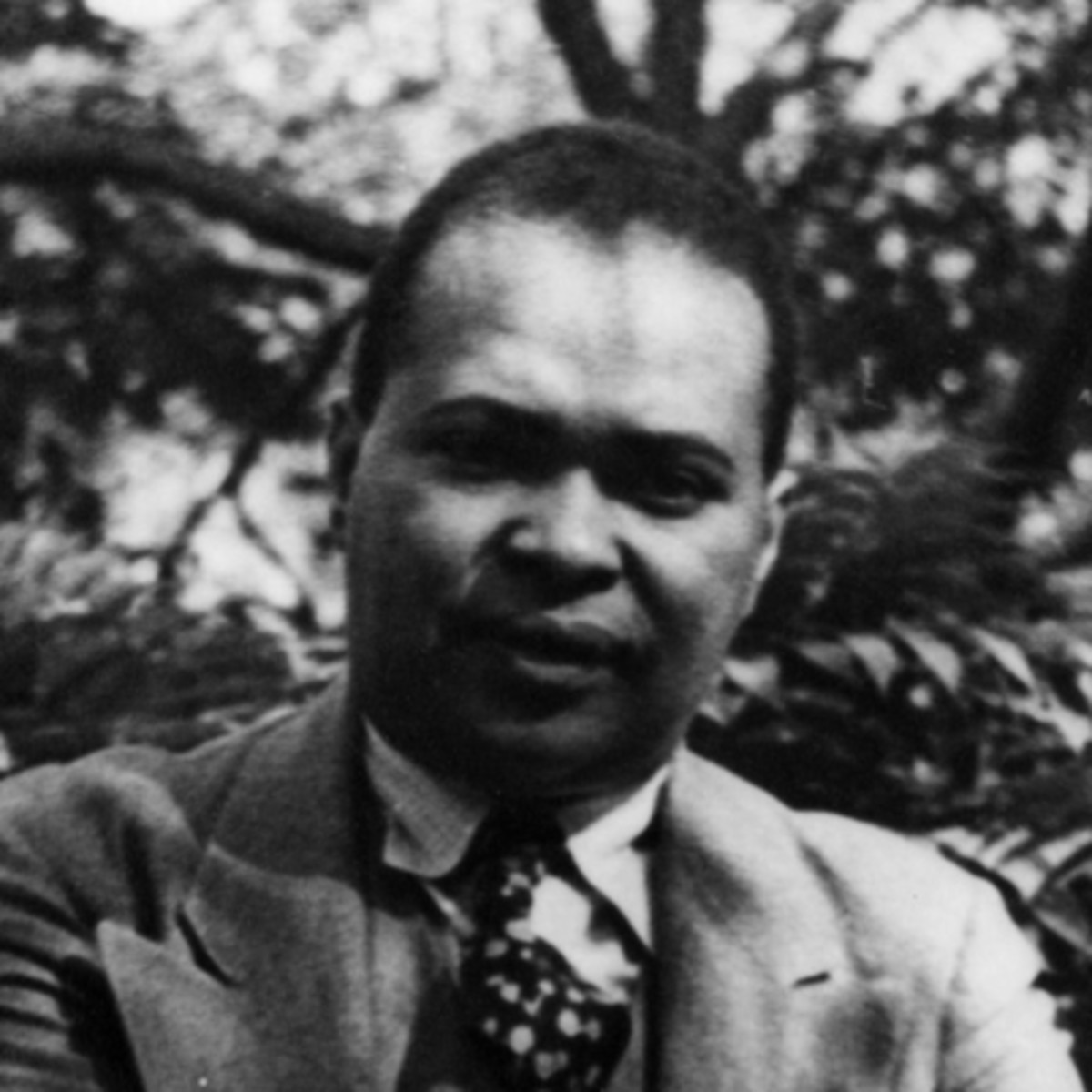
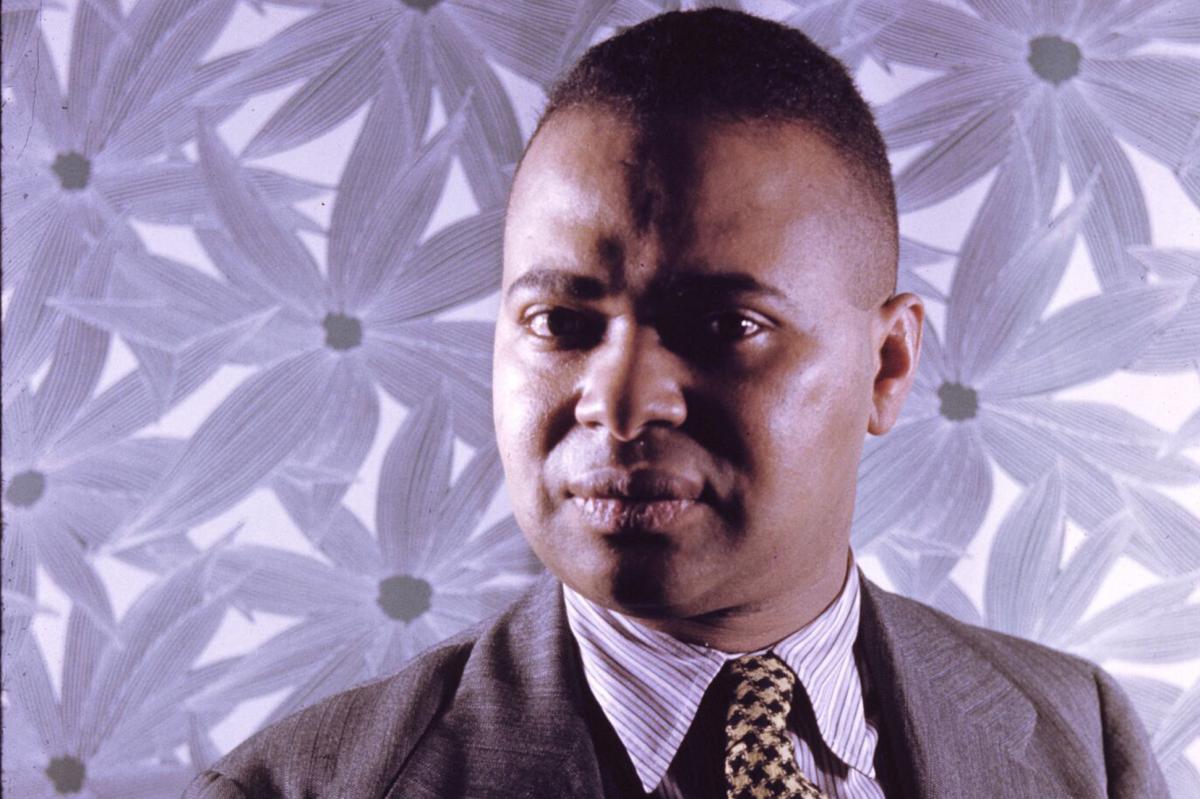
When Countee (Porter) Cullen (born in 1903) was 15 he was taken into Harlem, New York City Salem Methodist Episcopal Church Reverend Frederick A. Cullen’s home after his paternal grandmother and guardian died. This pivotal moment changed Cullen’s life and was where he got his new last name. In high school, Cullen was elected to the honor society and as vice-president of his graduating class and was editor of the weekly newspaper. He also won a citywide competition for his poem ‘I Have a Rendezvous with Life.’ After graduating Phi Beta Kappa from NYU, Cullen attended Harvard where he earned his master’s degree in English. At the same time Cullen had become the most popular Black poet in America – releasing the poetry collections ‘Color’ (1925), ‘Copper Sun’ (1927), and ‘The Ballad of the Brown Girl’ (1928). Soon he was the most representative voice of the Harlem Renaissance, winning more literary prizes than any other African-American author. In 1928, he became only the second African-American to win a Guggenheim Fellowship. Though romantically linked to Alain Locke, in 1928 Cullen married the only child of W.E.B. Du Bois (Yolande Du Bois) in what was called the social event of the decade. After her divorce from Cullen a year later, she told her father that he had revealed to her that he was sexually attracted to men. In 1929, he published ‘The Black Christ and Other Poems,’ but the reviews were mixed as were reviews for his novel ‘One Way to Heaven’ (1934). From the 1930s until his death, he taught at Frederick Douglass Junior High where one of his pupils was James Baldwin. Cullen’s ‘Medea’ (1935) was the first major translation of a classical work by a 20th century black American author. During the next few years he co-wrote the controversial musical, ‘St. Louis Woman,’ as well as two books for juveniles. ‘On These I Stand’ – a collection of his poems he had personally selected – was published after Cullen’s death from high blood pressure and uremic poisoning in 1946. A branch of the New York Public Library as well as public schools in New York and Chicago bear his name.
1903 - 1946
“There is no secret to success except hard work and getting something indefinable which we call 'the breaks.' In order for a writer to succeed, I suggest three things - read and write - and wait.”
– Countee Cullen
When Countee (Porter) Cullen (born in 1903) was 15 he was taken into Harlem, New York City Salem Methodist Episcopal Church Reverend Frederick A. Cullen’s home after his paternal grandmother and guardian died. This pivotal moment changed Cullen’s life and was where he got his new last name. In high school, Cullen was elected to the honor society and as vice-president of his graduating class and was editor of the weekly newspaper. He also won a citywide competition for his poem ‘I Have a Rendezvous with Life.’ After graduating Phi Beta Kappa from NYU, Cullen attended Harvard where he earned his master’s degree in English. At the same time Cullen had become the most popular Black poet in America – releasing the poetry collections ‘Color’ (1925), ‘Copper Sun’ (1927), and ‘The Ballad of the Brown Girl’ (1928). Soon he was the most representative voice of the Harlem Renaissance, winning more literary prizes than any other African-American author. In 1928, he became only the second African-American to win a Guggenheim Fellowship. Though romantically linked to Alain Locke, in 1928 Cullen married the only child of W.E.B. Du Bois (Yolande Du Bois) in what was called the social event of the decade. After her divorce from Cullen a year later, she told her father that he had revealed to her that he was sexually attracted to men. In 1929, he published ‘The Black Christ and Other Poems,’ but the reviews were mixed as were reviews for his novel ‘One Way to Heaven’ (1934). From the 1930s until his death, he taught at Frederick Douglass Junior High where one of his pupils was James Baldwin. Cullen’s ‘Medea’ (1935) was the first major translation of a classical work by a 20th century black American author. During the next few years he co-wrote the controversial musical, ‘St. Louis Woman,’ as well as two books for juveniles. ‘On These I Stand’ – a collection of his poems he had personally selected – was published after Cullen’s death from high blood pressure and uremic poisoning in 1946. A branch of the New York Public Library as well as public schools in New York and Chicago bear his name.
Lesson Plan
Please login or register for an account to view this lesson plan.
Demography
Demography
Gender Male
Sexual Orientation Bisexual
Gender Identity Cisgender
Ethnicity African American Black Caucasian/White
Faith Construct Protestant
Nations Affiliated France United States
Era/Epoch Harlem Renaissance (1919-1929)
Field(s) of Contribution
Art, Music, Literature & Theater
Author
Education
Journalism
Media & Communications
Poet
Social Sciences
Theater
US History
Commemorations & Honors
Poetry Society of America Winner (1925)
Guggenheim Fellowship Recipient Creative Arts Category (1928)
New York Public Library's Harlem Branch Named the Countee Cullen Library in His Honor (1951)
Posthumous New York Writers Hall of Fame Inductee (2013)
Demography
Gender Male
Sexual Orientation Bisexual
Gender Identity Cisgender
Ethnicity African American Black Caucasian/White
Faith Construct Protestant
Nations Affiliated France United States
Era/Epoch Harlem Renaissance (1919-1929)
Field(s) of Contribution
Art, Music, Literature & Theater
Author
Education
Journalism
Media & Communications
Poet
Social Sciences
Theater
US History
Commemorations & Honors
Poetry Society of America Winner (1925)
Guggenheim Fellowship Recipient Creative Arts Category (1928)
New York Public Library's Harlem Branch Named the Countee Cullen Library in His Honor (1951)
Posthumous New York Writers Hall of Fame Inductee (2013)
Resources
Resources




Resources