
Biography
1932 - 2010
“The White House should be the President’s window to the nation, a place where the people can voice what they want, what they feel and what they need.”
– Midge Costanza
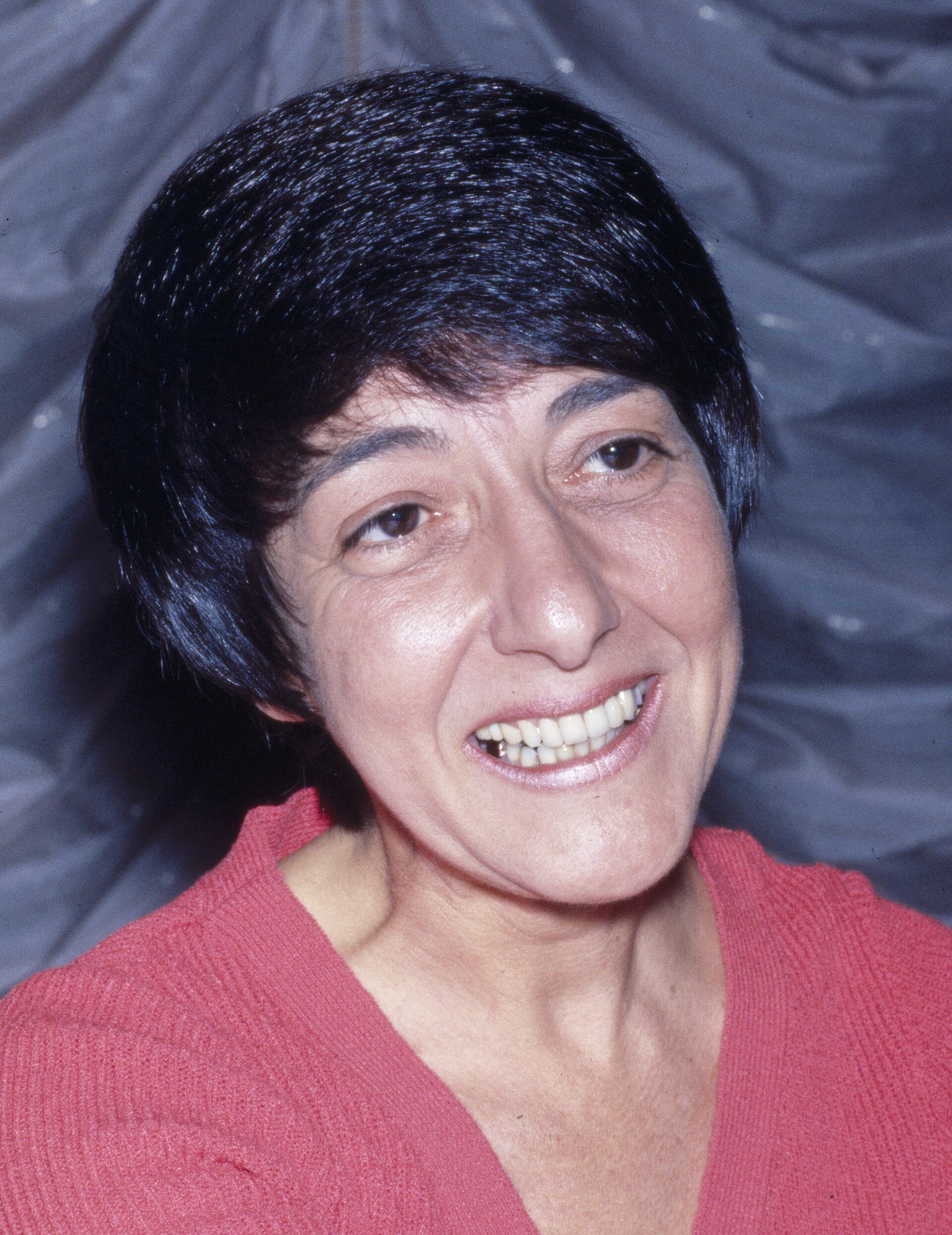
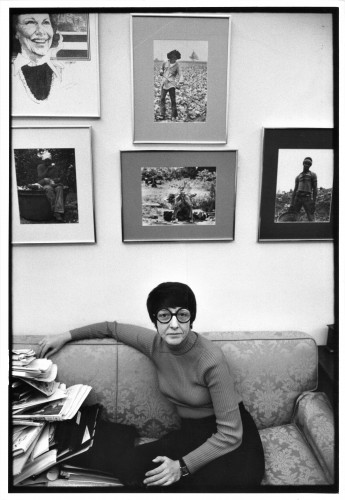
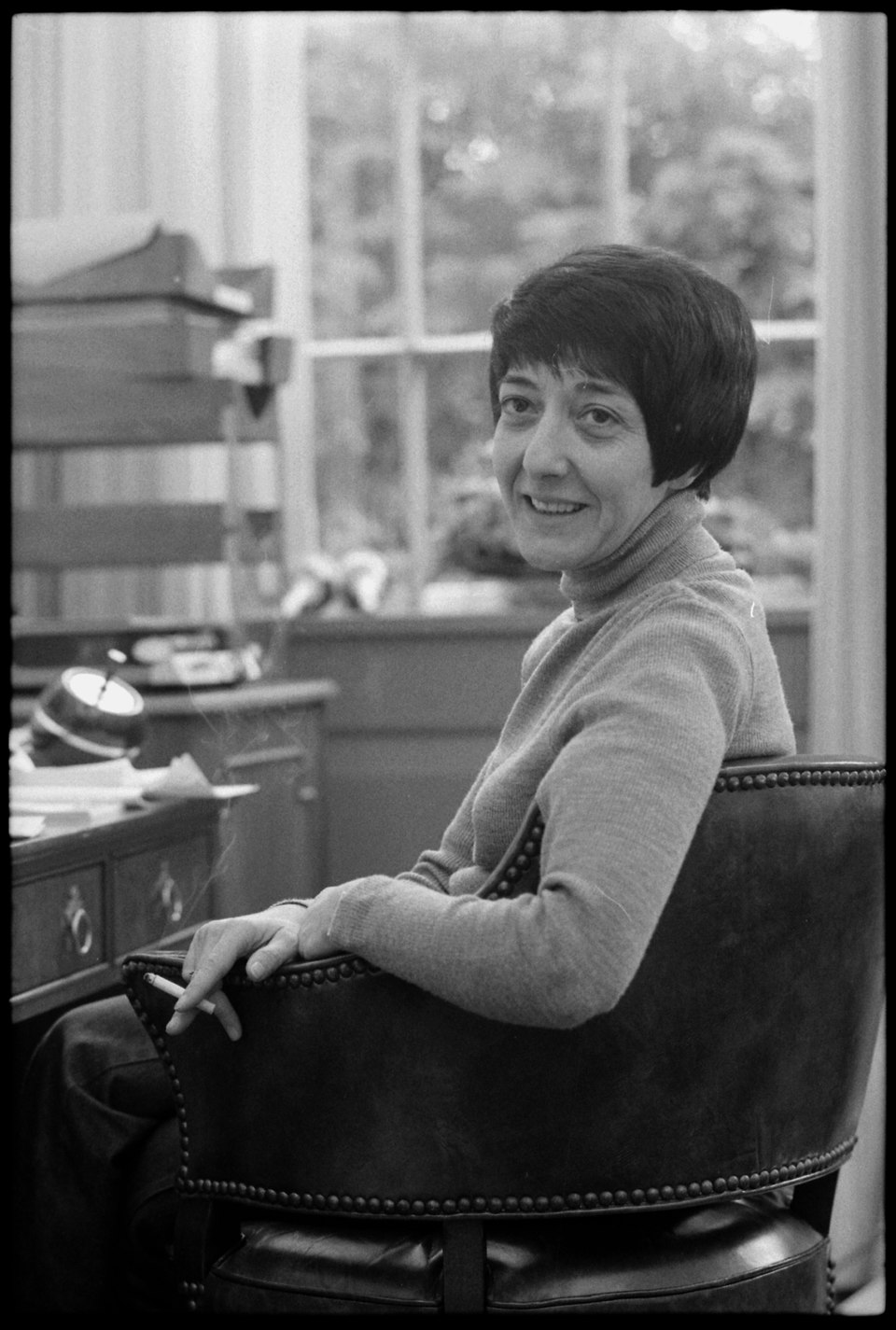
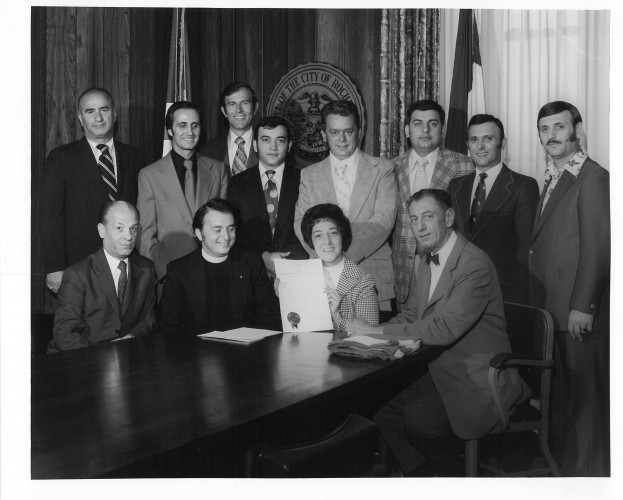
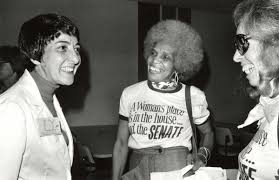
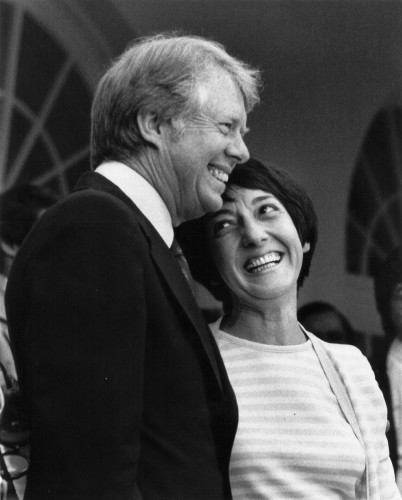
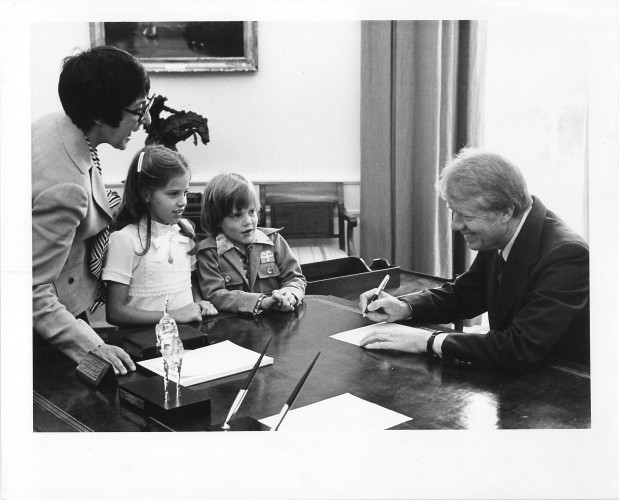
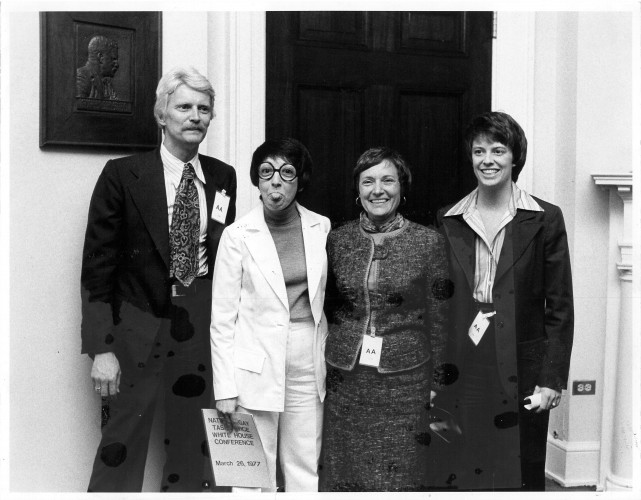
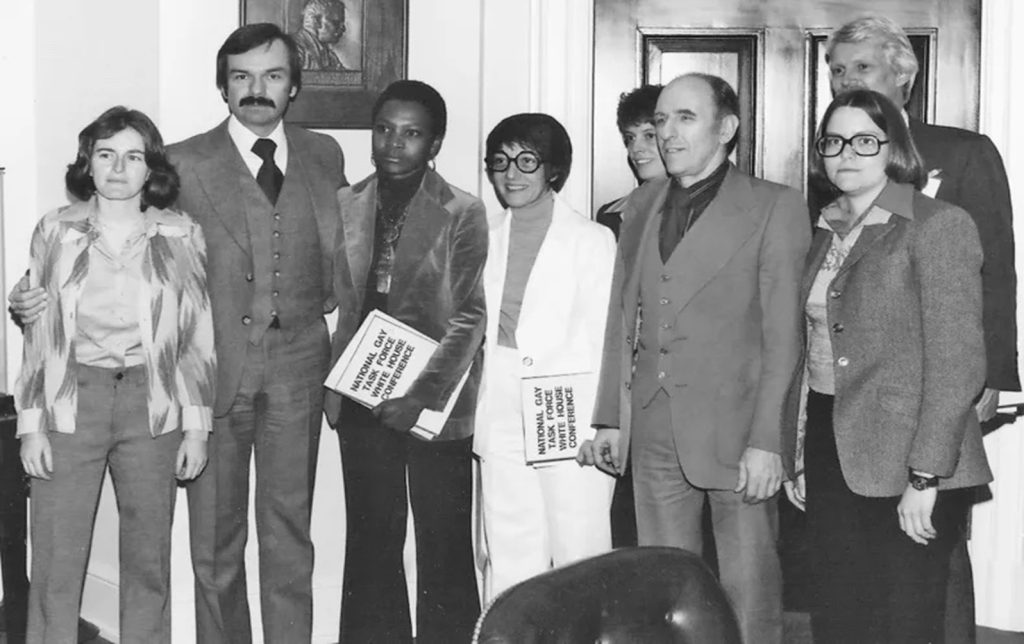
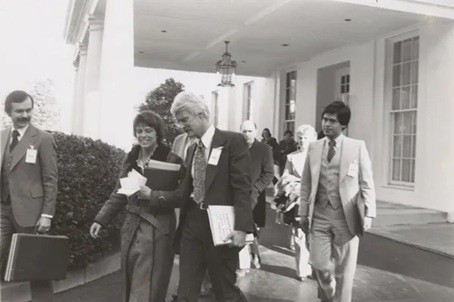
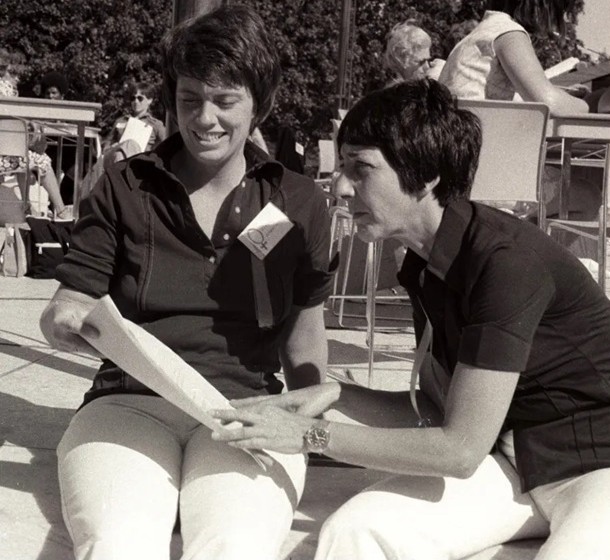
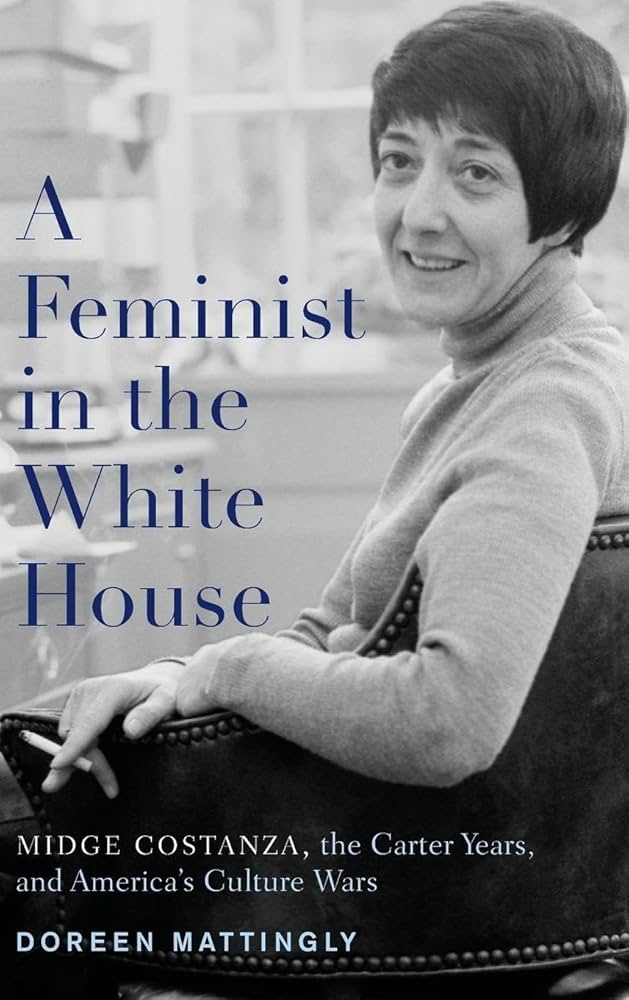
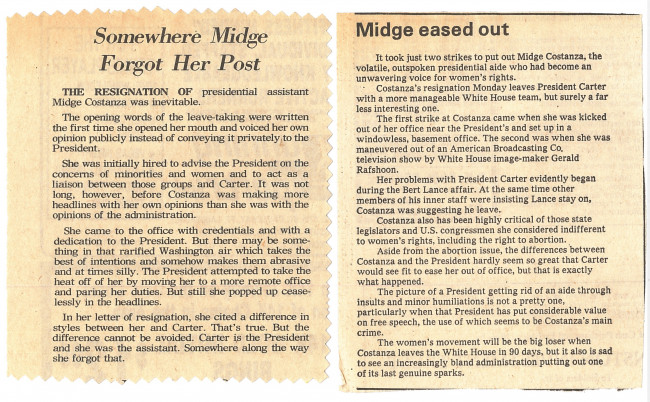
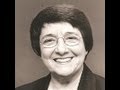
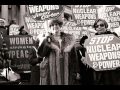
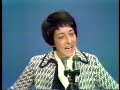
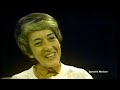
Presidential advisor and social/political activist Midge Costanza’s lifelong political career began in her early 20’s as a volunteer for Democratic candidate W. Averell Harriman’s New York gubernatorial campaign in 1954. She continued to be active in Democratic politics in the ensuing decades while working for Rochester construction and real estate developer John J. Petrossi. Costanza became a 22nd Ward of Rochester, New York Executive Committee Member in 1959. Five years later, Costanza became the Monroe County, New York executive director of Robert F. Kennedy’s successful Senate campaign. Costanza decided to toss her hat in as a candidate for a Rochester city council at-large seat in 1973 and won in a landslide thereby becoming that city’s first woman council member. According to Rochester’s election rules, the person who got the most votes for a city council position (which was Costanza during the 1973 election) would become mayor, however, the council decided to choose a man for this role and made her vice-mayor, a ceremonial position with almost no power. A year later, Costanza ran for Congress but lost to the popular Republican incumbent. This is where she met then Georgia Governor Jimmy Carter who traveled to Rochester to help her with her campaign. When Carter decided to run for president in 1976, Costanza served as his New York campaign operation co-chair and also gave the seconding speech to nominate him as the Democratic presidential candidate at the Democratic National Convention. Throughout this time (1972-1977), Costanza was a Democratic National Committee member. After Carter’s victory, he appointed Costanza as the Assistant to the President for Public Liaison and gave her an office right next to the Oval Office. This post earned her the nickname “the President's window to the nation.” She was the first woman to become an assistant to the president and because of this distinction she was featured in a cover story called Woman in the White House for Newsweek magazine. In her role, she advocated for numerous groups including women, young people, seniors, racial minorities, queer people and disabled people whose access to the White House had been limited. She was also heavily involved in the as yet unsuccessful passage of the Equal Rights Amendment and for getting more women into elected office. Right before Costanza took on her White House role, she began a secret romantic relationship with out lesbian and National Gay Task Force (now called the National LGBTQ Task Force) Co-Executive Director Jean O’Leary (they broke up in 1980). Costanza had a desire to get LGBTQ+ rights amplified at the White House level which led her to invite O’Leary and her fellow National Gay Task Force Co-Executive director Bruce Voeller, Frank Kameny and 11 other LGBTQ+ activists to the White House for a meeting in the Roosevelt Room on March 26, 1977. This meeting was deemed controversial at the time by anti-LGBTQ+ people and some in the media. When Costanza publicly critiqued some of Carter’s policies, her role became diminished which led to her resignation on September 1, 1978, after only 20 months in the position. Costanza moved to Los Angeles and took on the role executive director of her friend Shirley McLaine’s Higher Self seminars and then vice-president at Alan Landsburg Production. Her social justice advocacy work continued in California with board of director roles at Search Alliance AIDS research organization and the National Gay Rights Advocates. In 1990, Costanza moved to San Diego County to coach candidates in public speaking including as a coordinator for Barbara Boxer when she ran and won a United States Senate seat in 1992 and manager for Kathleen Brown’s failed gubernatorial candidacy in 1994. After those roles, Costanza was appointed by then California Governor Gray Davis as a women’s groups and issues liaison and stayed in that job until Davis lost a recall election in November 2003. Costanza then moved onto academics as a professor at San Diego University in the political science and women’s studies departments. She also helped develop the Midge Costanza Institute (which aims to get young people involved in political and social causes) in the political science department of the University of California, San Diego. Costanza died of cancer at the age of 77 in 2010. A year later, she was posthumously inducted into San Diego County Women's Hall of Fame in the trailblazer category. Actor Annie Parisse played Costanza in the FX miniseries Mrs. America. Costanza remained closeted her entire life. Making Gay History Host Eric Marcus revealed Costanza’s lesbian identity after both her and O’Leary died. O’Leary revealed this information about her short romantic relationship with Costanza to Marcus off the record during an interview he did with her in 1989.
1932 - 2010
“The White House should be the President’s window to the nation, a place where the people can voice what they want, what they feel and what they need.”
– Midge Costanza
Presidential advisor and social/political activist Midge Costanza’s lifelong political career began in her early 20’s as a volunteer for Democratic candidate W. Averell Harriman’s New York gubernatorial campaign in 1954. She continued to be active in Democratic politics in the ensuing decades while working for Rochester construction and real estate developer John J. Petrossi. Costanza became a 22nd Ward of Rochester, New York Executive Committee Member in 1959. Five years later, Costanza became the Monroe County, New York executive director of Robert F. Kennedy’s successful Senate campaign. Costanza decided to toss her hat in as a candidate for a Rochester city council at-large seat in 1973 and won in a landslide thereby becoming that city’s first woman council member. According to Rochester’s election rules, the person who got the most votes for a city council position (which was Costanza during the 1973 election) would become mayor, however, the council decided to choose a man for this role and made her vice-mayor, a ceremonial position with almost no power. A year later, Costanza ran for Congress but lost to the popular Republican incumbent. This is where she met then Georgia Governor Jimmy Carter who traveled to Rochester to help her with her campaign. When Carter decided to run for president in 1976, Costanza served as his New York campaign operation co-chair and also gave the seconding speech to nominate him as the Democratic presidential candidate at the Democratic National Convention. Throughout this time (1972-1977), Costanza was a Democratic National Committee member. After Carter’s victory, he appointed Costanza as the Assistant to the President for Public Liaison and gave her an office right next to the Oval Office. This post earned her the nickname “the President's window to the nation.” She was the first woman to become an assistant to the president and because of this distinction she was featured in a cover story called Woman in the White House for Newsweek magazine. In her role, she advocated for numerous groups including women, young people, seniors, racial minorities, queer people and disabled people whose access to the White House had been limited. She was also heavily involved in the as yet unsuccessful passage of the Equal Rights Amendment and for getting more women into elected office. Right before Costanza took on her White House role, she began a secret romantic relationship with out lesbian and National Gay Task Force (now called the National LGBTQ Task Force) Co-Executive Director Jean O’Leary (they broke up in 1980). Costanza had a desire to get LGBTQ+ rights amplified at the White House level which led her to invite O’Leary and her fellow National Gay Task Force Co-Executive director Bruce Voeller, Frank Kameny and 11 other LGBTQ+ activists to the White House for a meeting in the Roosevelt Room on March 26, 1977. This meeting was deemed controversial at the time by anti-LGBTQ+ people and some in the media. When Costanza publicly critiqued some of Carter’s policies, her role became diminished which led to her resignation on September 1, 1978, after only 20 months in the position. Costanza moved to Los Angeles and took on the role executive director of her friend Shirley McLaine’s Higher Self seminars and then vice-president at Alan Landsburg Production. Her social justice advocacy work continued in California with board of director roles at Search Alliance AIDS research organization and the National Gay Rights Advocates. In 1990, Costanza moved to San Diego County to coach candidates in public speaking including as a coordinator for Barbara Boxer when she ran and won a United States Senate seat in 1992 and manager for Kathleen Brown’s failed gubernatorial candidacy in 1994. After those roles, Costanza was appointed by then California Governor Gray Davis as a women’s groups and issues liaison and stayed in that job until Davis lost a recall election in November 2003. Costanza then moved onto academics as a professor at San Diego University in the political science and women’s studies departments. She also helped develop the Midge Costanza Institute (which aims to get young people involved in political and social causes) in the political science department of the University of California, San Diego. Costanza died of cancer at the age of 77 in 2010. A year later, she was posthumously inducted into San Diego County Women's Hall of Fame in the trailblazer category. Actor Annie Parisse played Costanza in the FX miniseries Mrs. America. Costanza remained closeted her entire life. Making Gay History Host Eric Marcus revealed Costanza’s lesbian identity after both her and O’Leary died. O’Leary revealed this information about her short romantic relationship with Costanza to Marcus off the record during an interview he did with her in 1989.
Demography
Demography
Gender Female
Sexual Orientation Lesbian
Gender Identity Cisgender
Ethnicity Caucasian/White
Nations Affiliated United States
Era/Epoch AIDS Era (1980-present) Cold War (1945-1991) Information Age (1970-present) Second-wave Feminism (1960-1990) Third-wave Feminism (1990-2012)
Field(s) of Contribution
Academics
Advocacy & Activism
Civics, Government, Politics, & Law
Education
Management
Politics
Social Justice
Social Sciences
US History
Commemorations & Honors
Posthumous San Diego County Women's Hall of Fame Trailblazing Category Inductee (2011)
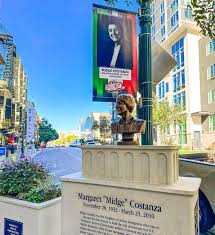
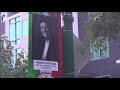
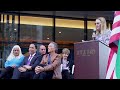
Piazza Costanza in Little Italy San Diego Dedicated in Midge Costanza's Honor (2023)
Demography
Gender Female
Sexual Orientation Lesbian
Gender Identity Cisgender
Ethnicity Caucasian/White
Nations Affiliated United States
Era/Epoch AIDS Era (1980-present) Cold War (1945-1991) Information Age (1970-present) Second-wave Feminism (1960-1990) Third-wave Feminism (1990-2012)
Field(s) of Contribution
Academics
Advocacy & Activism
Civics, Government, Politics, & Law
Education
Management
Politics
Social Justice
Social Sciences
US History
Commemorations & Honors
Posthumous San Diego County Women's Hall of Fame Trailblazing Category Inductee (2011)
Piazza Costanza in Little Italy San Diego Dedicated in Midge Costanza's Honor (2023)
Resources
Resources
Mattingly, Doreen J. A Feminist in the White House: Midge Costanza, The Carter Years and America's Culture Wars. Oxford, United Kingdom: Oxford University Press, 2016.
https://windycitytimes.com/2010/03/24/womens-lgbt-advocate-midge-constanza-dies/
https://www.mediamatters.org/associated-press/ap-obit-de-gays-lesbian-carter-white-house-aide
https://www.lgbtqnation.com/2019/10/secret-lesbian-couple-behind-historic-meeting-white-house/
https://www.thepinknews.com/2020/12/25/secret-lesbian-couple-historic-meeting-the-white-house/
https://docsteach.org/document/harvey-milks-letter-to-midge-costanza/
https://time.com/4350497/midge-costanza-white-house-history/
Resources
Mattingly, Doreen J. A Feminist in the White House: Midge Costanza, The Carter Years and America's Culture Wars. Oxford, United Kingdom: Oxford University Press, 2016.
https://windycitytimes.com/2010/03/24/womens-lgbt-advocate-midge-constanza-dies/
https://www.mediamatters.org/associated-press/ap-obit-de-gays-lesbian-carter-white-house-aide
https://www.lgbtqnation.com/2019/10/secret-lesbian-couple-behind-historic-meeting-white-house/
https://www.thepinknews.com/2020/12/25/secret-lesbian-couple-historic-meeting-the-white-house/
https://docsteach.org/document/harvey-milks-letter-to-midge-costanza/
https://time.com/4350497/midge-costanza-white-house-history/