Biography
1948 - 2005
“I've been a very effective leader in the gay rights movement, though at times I've been controversial.”
- Jean O’Leary
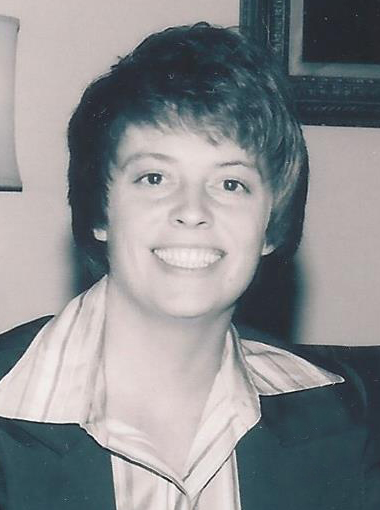
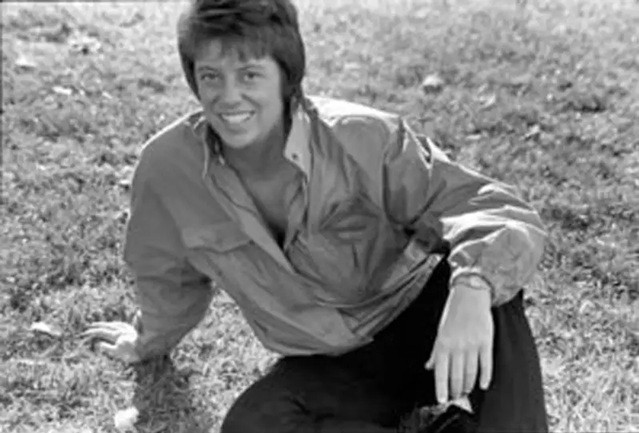
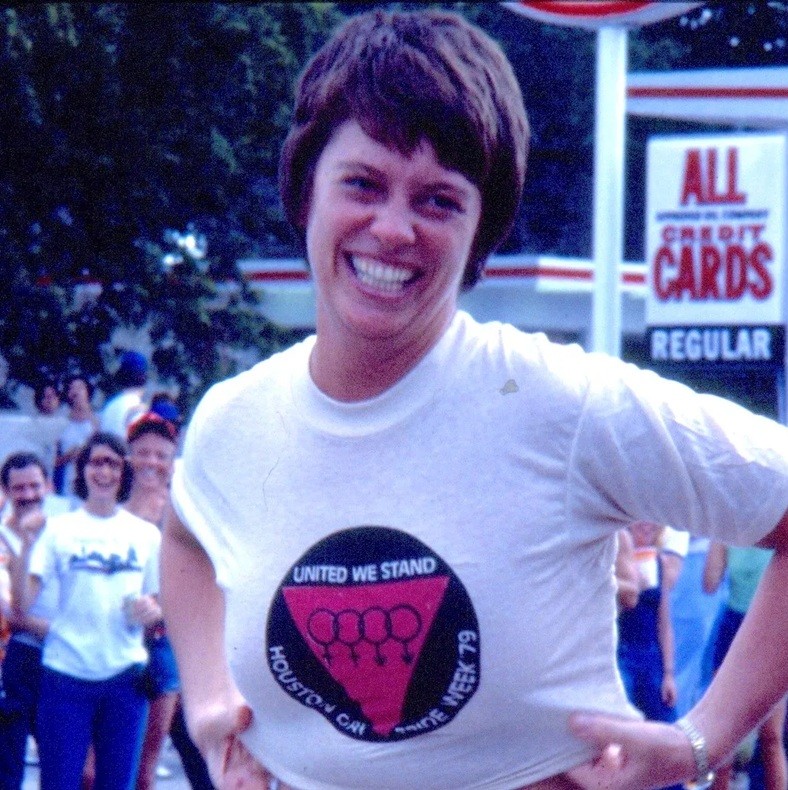
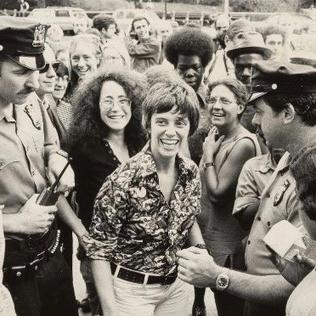
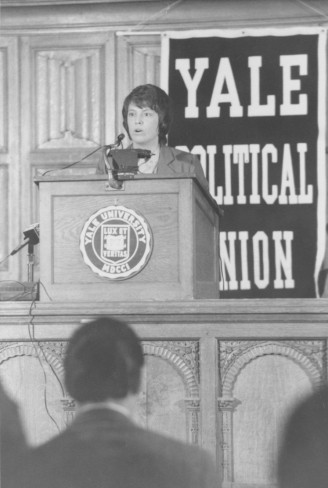
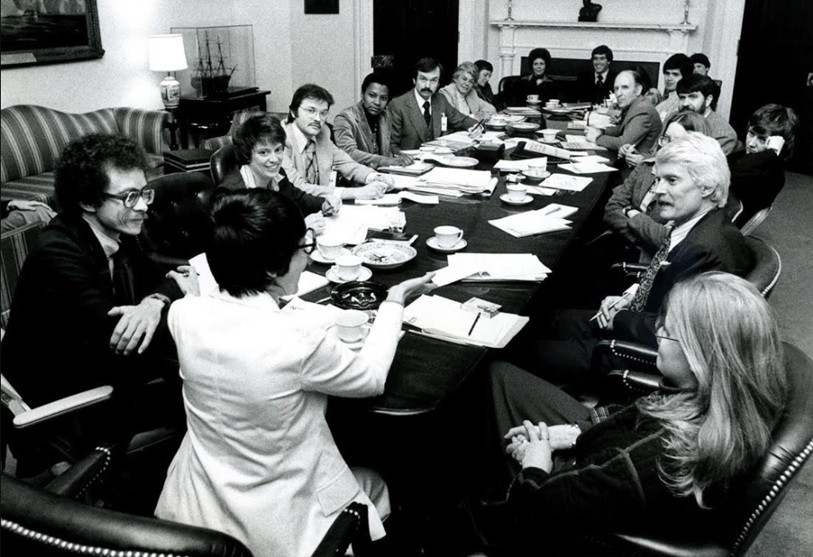
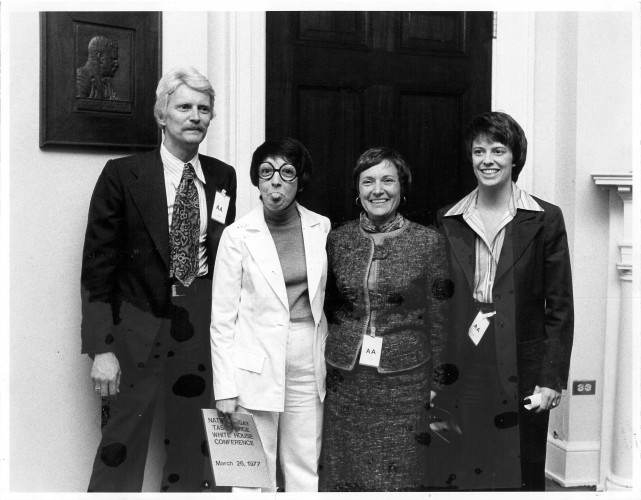
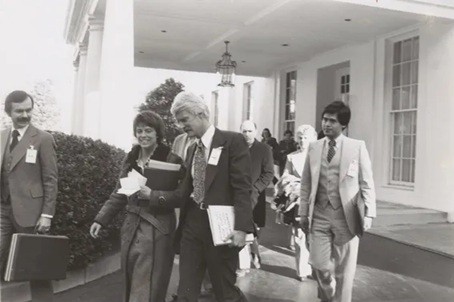
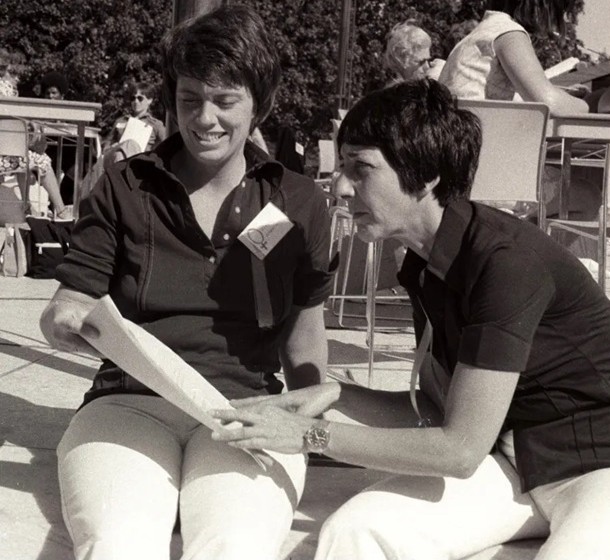
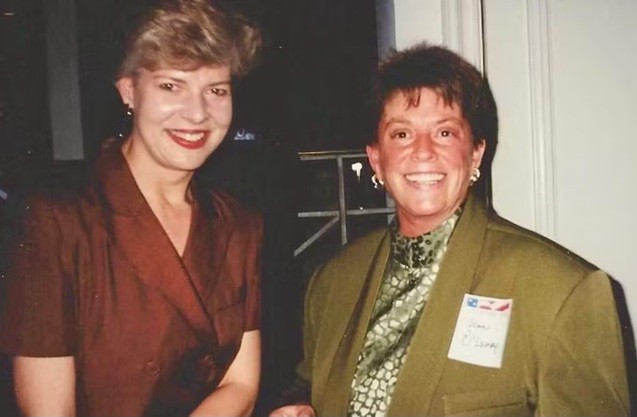
When fiercely independent Jean O’Leary attended an all-girls Catholic school in Cleveland, Ohio in the 1950s and 60s her reputation as a cut-up and prankster led to many detentions and suspensions. She also knew at an early age that she was a lesbian but did not act on her feelings as a teenager. To the amazement and shock of everyone, O’Leary announced that she would enter the Sisters of the Holy Humility of Mary liberal teachers and nurses order. While in the convent, O’Leary received her bachelor’s degree in psychology from Cleveland State University. In the 1985 book, Lesbian Nuns: Breaking Silence, she said “I thought that if I dedicated my life to God, I could get rid of my feelings for women.” While a postulant in the convent, O’Leary had many affairs with other women and that set in motion her decision to leave the order before taking her final vows in 1971. O’Leary decided to move to Greenwich Village in New York City because she read in a magazine that this was where many LGBTQ people lived. She became an LGBTQ activist immediately after she moved there. O’Leary joined the Gay Activists Alliance but grew irritated with the male leadership’s refusal to listen to the concerns of lesbians like herself. In 1973, O’Leary and most of the other women in the Gay Activist Alliance left that organization and formed the Lesbian Feminist Liberation. That same year at a Pride rally in Washington Square Park in Greenwich Village, O’Leary and other handed out flyers in opposition to the inclusion of drag queens at the event which was the catalyst for LGBTQ activist Sylvia Rivera’s now-famous speech where she called for a revolution. O’Leary would later regret her actions at that rally. Two years later, O’Leary and the man whom she clashed with at the Gay Activist Alliance, Bruce Voeller reconciled with each other. Voeller had founded the National Gay Task Force (now called the National LGBTQ Task Force) and wanted O’Leary to be the organization’s co-executive director alongside him which she accepted. O’Leary jumped into the political fray in 1976 when she became the first out lesbian delegate at the Democratic National Convention (DNC). She spent 12 years at the DNC with eight of those on the executive committee. A year later, O’Leary, Frank Kameny and other queer activists went to the White House to meet with officials in President Jimmy Carter’s administration. This was the first time LGBTQ issues were put on the official calendar of meeting topics at the White House. That meeting was spearheaded by O’Leary who told Making Gay History Host Eric Marcus off the record in 1989 that, “I rolled over in bed and said: ‘Midge, we’re going to the White House.’” Midge Costanza was O’Leary’s girlfriend at the time (they broke up in 1980) and a closeted special assistant to Carter. Marcus revealed this information after both women had died. Actor Anna Douglas played O’Leary in the FX miniseries Mrs. America in the episode that focused on her queer advocacy at the National Women's Conference of 1977 in Houston, Texas where she was one of the speakers. In 1978, Carter chose her to be the first out LGBTQ appointee to a presidential commission, the National Commission on the Observance of International Women's Year. In the 1980s, O’Leary became the National Gay Rights Advocates executive director where she led fights against AIDS and employment discrimination where her organization filed a precedent-setting $3 million in compensation for gay applicants and employees lawsuit against Pacific Bell. To showcase positive representation and celebrate LGBTQ people, O’Leary and out gay psychologist Dr. Robert Eichberg decided to create National Coming Out Day (NCOD) in 1988. Gay artist Keith Haring created the logo for the first annual observance where 18 states and many cities participated. Two years later, all 50 states and seven countries recognized NCOD which occurs on October 11 each year. The two chose October 11 because it was the same date as the anniversary of the Second National March on Washington for Lesbian and Gay Rights in 1987. O’Leary also worked as a public interest law firm executive director and ran a political consulting firm in her later years. She died in 2005 in San Clemente, California of lung cancer with her then romantic partner Lisa Phelps by her side.
1948 - 2005
“I've been a very effective leader in the gay rights movement, though at times I've been controversial.”
- Jean O’Leary
When fiercely independent Jean O’Leary attended an all-girls Catholic school in Cleveland, Ohio in the 1950s and 60s her reputation as a cut-up and prankster led to many detentions and suspensions. She also knew at an early age that she was a lesbian but did not act on her feelings as a teenager. To the amazement and shock of everyone, O’Leary announced that she would enter the Sisters of the Holy Humility of Mary liberal teachers and nurses order. While in the convent, O’Leary received her bachelor’s degree in psychology from Cleveland State University. In the 1985 book, Lesbian Nuns: Breaking Silence, she said “I thought that if I dedicated my life to God, I could get rid of my feelings for women.” While a postulant in the convent, O’Leary had many affairs with other women and that set in motion her decision to leave the order before taking her final vows in 1971. O’Leary decided to move to Greenwich Village in New York City because she read in a magazine that this was where many LGBTQ people lived. She became an LGBTQ activist immediately after she moved there. O’Leary joined the Gay Activists Alliance but grew irritated with the male leadership’s refusal to listen to the concerns of lesbians like herself. In 1973, O’Leary and most of the other women in the Gay Activist Alliance left that organization and formed the Lesbian Feminist Liberation. That same year at a Pride rally in Washington Square Park in Greenwich Village, O’Leary and other handed out flyers in opposition to the inclusion of drag queens at the event which was the catalyst for LGBTQ activist Sylvia Rivera’s now-famous speech where she called for a revolution. O’Leary would later regret her actions at that rally. Two years later, O’Leary and the man whom she clashed with at the Gay Activist Alliance, Bruce Voeller reconciled with each other. Voeller had founded the National Gay Task Force (now called the National LGBTQ Task Force) and wanted O’Leary to be the organization’s co-executive director alongside him which she accepted. O’Leary jumped into the political fray in 1976 when she became the first out lesbian delegate at the Democratic National Convention (DNC). She spent 12 years at the DNC with eight of those on the executive committee. A year later, O’Leary, Frank Kameny and other queer activists went to the White House to meet with officials in President Jimmy Carter’s administration. This was the first time LGBTQ issues were put on the official calendar of meeting topics at the White House. That meeting was spearheaded by O’Leary who told Making Gay History Host Eric Marcus off the record in 1989 that, “I rolled over in bed and said: ‘Midge, we’re going to the White House.’” Midge Costanza was O’Leary’s girlfriend at the time (they broke up in 1980) and a closeted special assistant to Carter. Marcus revealed this information after both women had died. Actor Anna Douglas played O’Leary in the FX miniseries Mrs. America in the episode that focused on her queer advocacy at the National Women's Conference of 1977 in Houston, Texas where she was one of the speakers. In 1978, Carter chose her to be the first out LGBTQ appointee to a presidential commission, the National Commission on the Observance of International Women's Year. In the 1980s, O’Leary became the National Gay Rights Advocates executive director where she led fights against AIDS and employment discrimination where her organization filed a precedent-setting $3 million in compensation for gay applicants and employees lawsuit against Pacific Bell. To showcase positive representation and celebrate LGBTQ people, O’Leary and out gay psychologist Dr. Robert Eichberg decided to create National Coming Out Day (NCOD) in 1988. Gay artist Keith Haring created the logo for the first annual observance where 18 states and many cities participated. Two years later, all 50 states and seven countries recognized NCOD which occurs on October 11 each year. The two chose October 11 because it was the same date as the anniversary of the Second National March on Washington for Lesbian and Gay Rights in 1987. O’Leary also worked as a public interest law firm executive director and ran a political consulting firm in her later years. She died in 2005 in San Clemente, California of lung cancer with her then romantic partner Lisa Phelps by her side.
Demography
Demography
Gender Female
Sexual Orientation Lesbian
Gender Identity Cisgender
Ethnicity Caucasian/White
Faith Construct Catholic
Nations Affiliated United States
Era/Epoch AIDS Era (1980-present) Information Age (1970-present) Post-Stonewall Era (1974-1980) Second-wave Feminism (1960-1990) Stonewall Era (1969-1974) Third-wave Feminism (1990-2012)
Field(s) of Contribution
Advocacy & Activism
Civics, Government, Politics, & Law
Media & Communications
Religion
Social Justice
Social Sciences
US History
Demography
Gender Female
Sexual Orientation Lesbian
Gender Identity Cisgender
Ethnicity Caucasian/White
Faith Construct Catholic
Nations Affiliated United States
Era/Epoch AIDS Era (1980-present) Information Age (1970-present) Post-Stonewall Era (1974-1980) Second-wave Feminism (1960-1990) Stonewall Era (1969-1974) Third-wave Feminism (1990-2012)
Field(s) of Contribution
Advocacy & Activism
Civics, Government, Politics, & Law
Media & Communications
Religion
Social Justice
Social Sciences
US History
Resources
Resources
Clendinen, Dudley, and Adam Nagourney. Out for Good: The Struggle to Build a Gay Rights Movement in America. New York: Simon & Schuster, 1999.
Marcus, Eric. "The Ex-Nun--Jean O'Leary." Making History: The Struggle for Gay and Lesbian Equal Rights 1945-1990: An Oral History. New York: HarperCollins, 1992. 261-73.
O'Leary, Jean. "God Was an Innocent Bystander." Lesbian Nuns: Breaking Silence. Rosemary Curb and Nancy Manahan, eds. New York: Warner Books, 1985. 201-10.
Perry, Troy D., and Thomas L.P. Swicegood. "Sister Jean and the Lavender Dinosaur." Profiles in Gay & Lesbian Courage. New York: St. Martin's Press, 1991. 97-122.
https://www.advocate.com/news/2005/06/07/lesbian-advocate-oleary-dies
https://www.latimes.com/archives/la-xpm-2005-jun-06-me-oleary6-story.html
https://www.advocate.com/news/national-coming-out-day-history
https://www.thepinknews.com/2020/12/25/secret-lesbian-couple-historic-meeting-the-white-house/
https://www.lgbtqnation.com/2019/10/secret-lesbian-couple-behind-historic-meeting-white-house/
https://www.ohiohistory.org/ohio-origins-national-coming-out-day/
Resources
Clendinen, Dudley, and Adam Nagourney. Out for Good: The Struggle to Build a Gay Rights Movement in America. New York: Simon & Schuster, 1999.
Marcus, Eric. "The Ex-Nun--Jean O'Leary." Making History: The Struggle for Gay and Lesbian Equal Rights 1945-1990: An Oral History. New York: HarperCollins, 1992. 261-73.
O'Leary, Jean. "God Was an Innocent Bystander." Lesbian Nuns: Breaking Silence. Rosemary Curb and Nancy Manahan, eds. New York: Warner Books, 1985. 201-10.
Perry, Troy D., and Thomas L.P. Swicegood. "Sister Jean and the Lavender Dinosaur." Profiles in Gay & Lesbian Courage. New York: St. Martin's Press, 1991. 97-122.
https://www.advocate.com/news/2005/06/07/lesbian-advocate-oleary-dies
https://www.latimes.com/archives/la-xpm-2005-jun-06-me-oleary6-story.html
https://www.advocate.com/news/national-coming-out-day-history
https://www.thepinknews.com/2020/12/25/secret-lesbian-couple-historic-meeting-the-white-house/
https://www.lgbtqnation.com/2019/10/secret-lesbian-couple-behind-historic-meeting-white-house/
https://www.ohiohistory.org/ohio-origins-national-coming-out-day/