Biography
1860 - 1925
“You is no gentleman”
- William Dorsey Swann to an arresting police officer after his party was raided in 1896
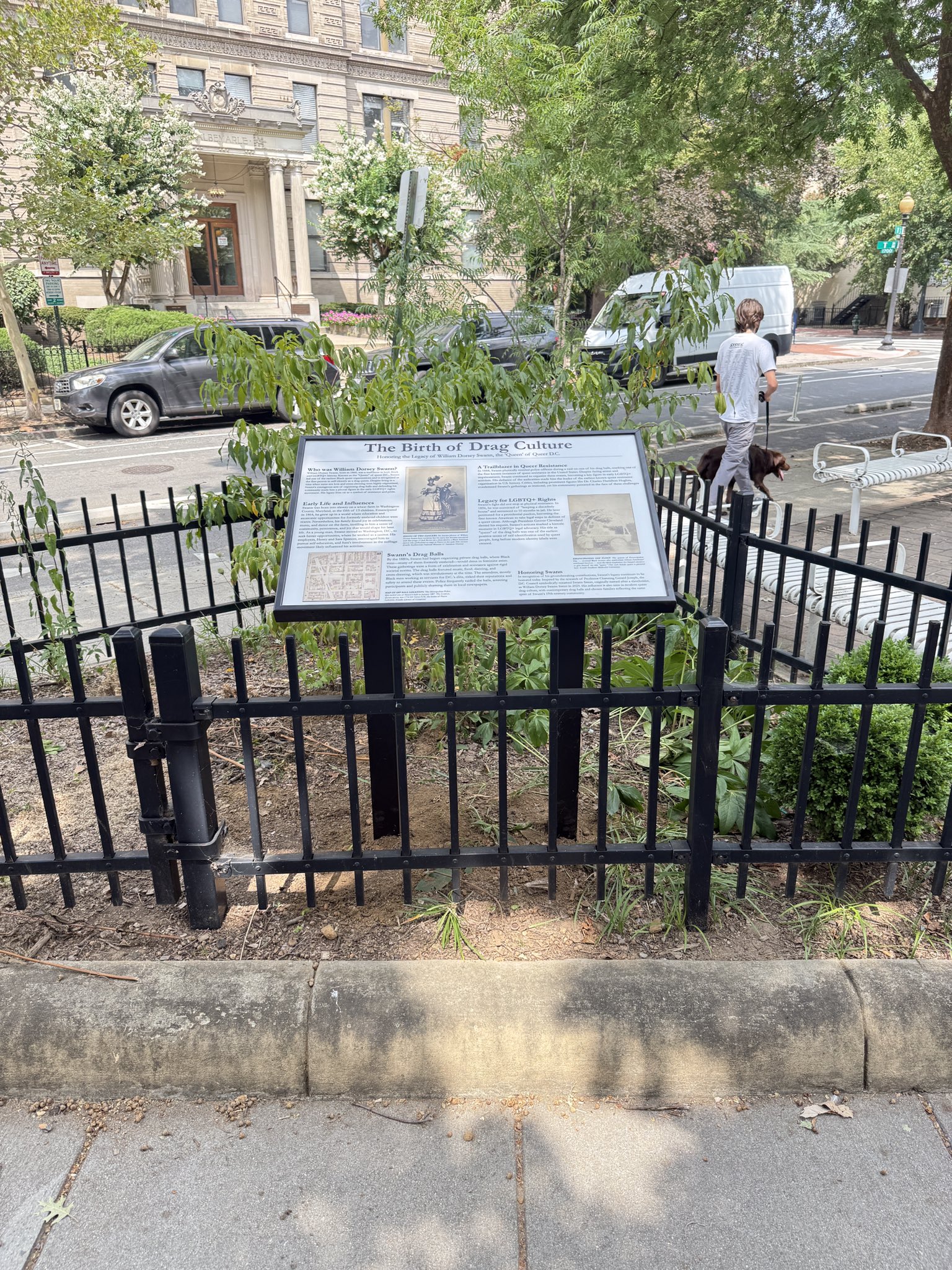
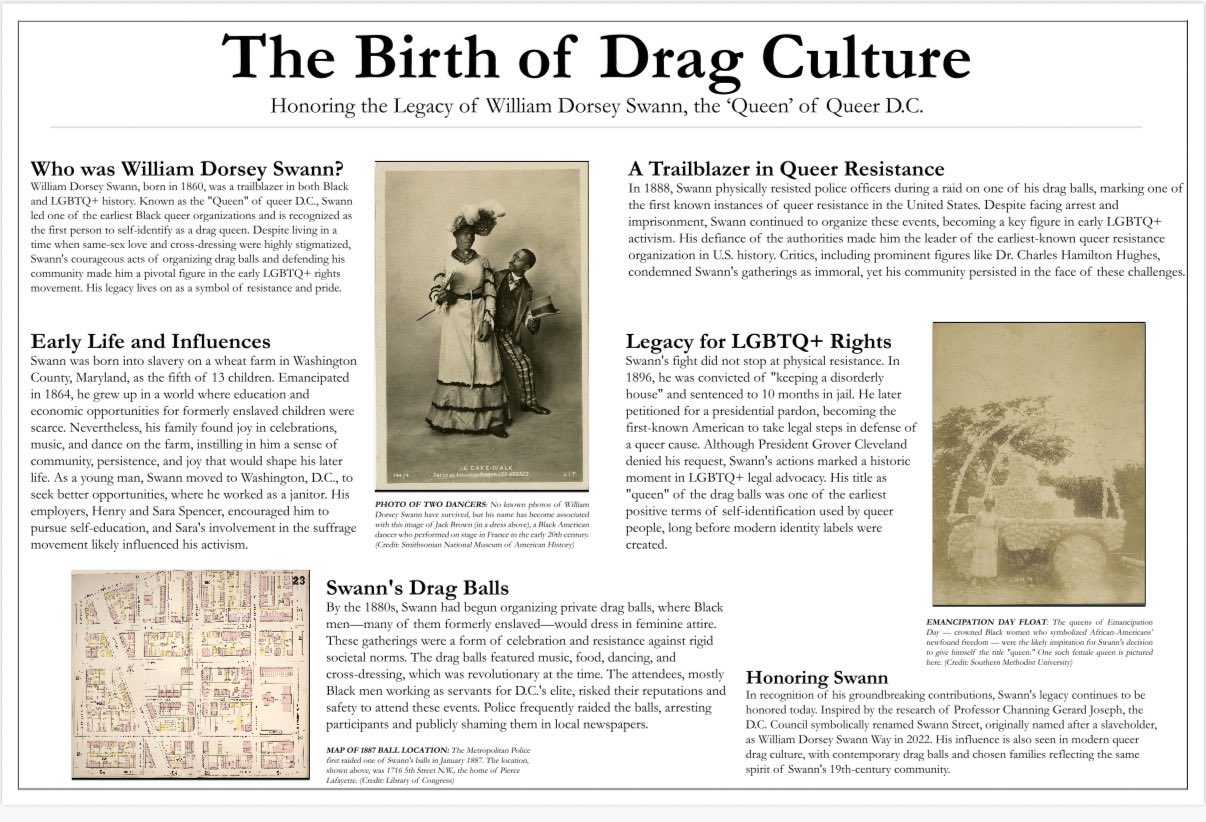
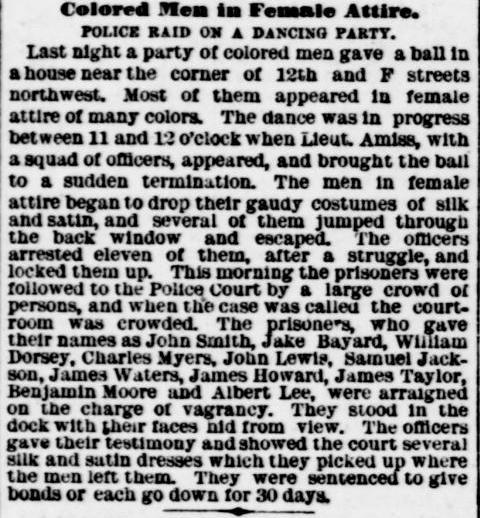
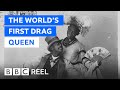
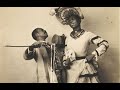
America’s first self-identifying drag queen, LGBTQ activist and former enslaved person William Dorsey Swann was born in 1860 into slavery in Hancock, Maryland. Swann, his parents and his 12 siblings were enslaved on a plantation owned by Ann Murray. When the Civil War ended, Swann’s parents were able to buy a farm which put them in a better position financially than most other former enslaved people. Swann’s first job was as a hotel waiter. He also learned how to read and write in his spare time. At the age of 24, Swann stole one item from his employer’s home and books from the Washington Library Company and when he was caught he pled guilty to petty larceny. He was sentenced to six months in jail. After that encounter with the law, Swann decided to focus on furthering his education and making money to help his family. The people who were responsible for him going to jail argued later that he should get a presidential pardon because he was “free from vice, industrious, refined in his habits, and associations, gentle in his disposition, courteous in his bearing.” His former employers even offered him a job as the college janitor. Swann began hosting a series of private, secret drag balls in Washington, D.C. in the 1880s and 1890s and called himself the “queen of drag.” Most of the attendees were former enslaved men who dressed in satin and silk dresses and danced the nights away. These people were known as the “House of Swann.” The invites had to be sent out in secret due to existing laws and the social mores of the time. Swann’s signature dance was the cakewalk that inspired the voguing seen in Harlem’s ball scene during the Harlem Renaissance and drag balls since that time. Because Swann went against the social norms of the time, he was arrested in police raids on “female impersonation” charges many times. One of these arrests happened on April 12, 1888, at Swann’s birthday celebration. The Washington Post reported at the time that Swann was “arrayed in a gorgeous dress of cream-colored satin.” This arrest enraged Swann and his statement to the arresting officer, "You is no gentleman,” marks the first recorded instance of LGBTQ resistance/activism in America. Due to the fact that these arrests (twelve others were arrested that night) were made public in local newspapers with shaming language is the reason why Swann’s life story is known the present moment. Swann, who pled not guilty, was convicted of “keeping a disorderly house” aka running a brothel and sentenced to 300 days in jail on Jan. 3, 1896. He appealed to then President Grover Cleveland for a pardon with 30 people signing on as supporters but it was denied on July 29, 1896. Swann made history again with his pursuit of legal and political action on behalf of the LGBTQ community. He also had to stop organizing and participating in drag events due to the danger of being arrested and convicted of these crimes for a second time. Swann also identified as a gay man and had a romantic relationship with Pierce Lafayette (who was previously owned by Confederate Vice President Alexander H. Stephens) who also attended Swann’s balls. Lafayette and former enslaved Black man Felix Hall were also intimate with each other. These same-sex relationships between former enslaved Black men are the earliest documented ones to have taken place in America. Swann died in 1925 at the age of 65 in Hancock, Maryland and was cremated. Attempting to erase Swann’s existence, local officials burned his home down. In 2021, author Channing Gerard Joseph published Swann’s biography, The House of Swann: Where Slaves Became Queens. In 2022, the already existing Swann Street in Northwest Washington, D.C. was officially renamed after William Dorsey Swann by the Dupont Circle Advisory Neighborhood Commission. On Aug. 8, 2025; a marker was placed in T Street Park to honor Swann at the intersection of Swann Street, New Hampshire Avenue, 17th Street, and T Street, N.W.
1860 - 1925
“You is no gentleman”
- William Dorsey Swann to an arresting police officer after his party was raided in 1896
America’s first self-identifying drag queen, LGBTQ activist and former enslaved person William Dorsey Swann was born in 1860 into slavery in Hancock, Maryland. Swann, his parents and his 12 siblings were enslaved on a plantation owned by Ann Murray. When the Civil War ended, Swann’s parents were able to buy a farm which put them in a better position financially than most other former enslaved people. Swann’s first job was as a hotel waiter. He also learned how to read and write in his spare time. At the age of 24, Swann stole one item from his employer’s home and books from the Washington Library Company and when he was caught he pled guilty to petty larceny. He was sentenced to six months in jail. After that encounter with the law, Swann decided to focus on furthering his education and making money to help his family. The people who were responsible for him going to jail argued later that he should get a presidential pardon because he was “free from vice, industrious, refined in his habits, and associations, gentle in his disposition, courteous in his bearing.” His former employers even offered him a job as the college janitor. Swann began hosting a series of private, secret drag balls in Washington, D.C. in the 1880s and 1890s and called himself the “queen of drag.” Most of the attendees were former enslaved men who dressed in satin and silk dresses and danced the nights away. These people were known as the “House of Swann.” The invites had to be sent out in secret due to existing laws and the social mores of the time. Swann’s signature dance was the cakewalk that inspired the voguing seen in Harlem’s ball scene during the Harlem Renaissance and drag balls since that time. Because Swann went against the social norms of the time, he was arrested in police raids on “female impersonation” charges many times. One of these arrests happened on April 12, 1888, at Swann’s birthday celebration. The Washington Post reported at the time that Swann was “arrayed in a gorgeous dress of cream-colored satin.” This arrest enraged Swann and his statement to the arresting officer, "You is no gentleman,” marks the first recorded instance of LGBTQ resistance/activism in America. Due to the fact that these arrests (twelve others were arrested that night) were made public in local newspapers with shaming language is the reason why Swann’s life story is known the present moment. Swann, who pled not guilty, was convicted of “keeping a disorderly house” aka running a brothel and sentenced to 300 days in jail on Jan. 3, 1896. He appealed to then President Grover Cleveland for a pardon with 30 people signing on as supporters but it was denied on July 29, 1896. Swann made history again with his pursuit of legal and political action on behalf of the LGBTQ community. He also had to stop organizing and participating in drag events due to the danger of being arrested and convicted of these crimes for a second time. Swann also identified as a gay man and had a romantic relationship with Pierce Lafayette (who was previously owned by Confederate Vice President Alexander H. Stephens) who also attended Swann’s balls. Lafayette and former enslaved Black man Felix Hall were also intimate with each other. These same-sex relationships between former enslaved Black men are the earliest documented ones to have taken place in America. Swann died in 1925 at the age of 65 in Hancock, Maryland and was cremated. Attempting to erase Swann’s existence, local officials burned his home down. In 2021, author Channing Gerard Joseph published Swann’s biography, The House of Swann: Where Slaves Became Queens. In 2022, the already existing Swann Street in Northwest Washington, D.C. was officially renamed after William Dorsey Swann by the Dupont Circle Advisory Neighborhood Commission. On Aug. 8, 2025; a marker was placed in T Street Park to honor Swann at the intersection of Swann Street, New Hampshire Avenue, 17th Street, and T Street, N.W.
Demography
Demography
Gender Male
Sexual Orientation Gay
Gender Identity Genderqueer/Non-Binary
Ethnicity African American Black
Faith Construct Protestant
Nations Affiliated United States
Era/Epoch Civil War (1861-1865) Gilded Age (1865-1900) Progressive Era (1890-1920) Victorian Era (1837-1901)
Field(s) of Contribution
Advocacy & Activism
Business
Entertainer
Hospitality
Social Justice
Commemorations & Honors
Dupont Circle Advisory Neighborhood Commission Declared the Existing Swann Street to be Named After Him (2022)
Marker Honoring Swann Erected in T Street Park, at the Intersection of Swann Street and New Hampshire Avenue in Washington, D.C. (2025)
Demography
Gender Male
Sexual Orientation Gay
Gender Identity Genderqueer/Non-Binary
Ethnicity African American Black
Faith Construct Protestant
Nations Affiliated United States
Era/Epoch Civil War (1861-1865) Gilded Age (1865-1900) Progressive Era (1890-1920) Victorian Era (1837-1901)
Field(s) of Contribution
Advocacy & Activism
Business
Entertainer
Hospitality
Social Justice
Commemorations & Honors
Dupont Circle Advisory Neighborhood Commission Declared the Existing Swann Street to be Named After Him (2022)
Marker Honoring Swann Erected in T Street Park, at the Intersection of Swann Street and New Hampshire Avenue in Washington, D.C. (2025)
Resources
Resources





Joseph, Channing. House of Swann: Where Slaves Became Queens — And Changed the World. New York: Crown, 2021.
https://www.thenation.com/article/society/drag-queen-slave-ball/
https://blackpast.org/african-american-history/william-dorsey-swann-1858-1954/
https://research.fashionconservatory.com/blog/william-dorsey-swann-americas-first-drag-queen
https://www.americanacademy.de/the-first-drag-queen/
https://home.nuhw.org/2024/05/28/william-dorsey-swann/
https://www.allgaylong.com/blog/william-dorsey-swann-the-original-drag-queen/
https://www.liverpoolmuseums.org.uk/stories/slavery-voguing-house-of-swann
Resources
Joseph, Channing. House of Swann: Where Slaves Became Queens — And Changed the World. New York: Crown, 2021.
https://www.thenation.com/article/society/drag-queen-slave-ball/
https://blackpast.org/african-american-history/william-dorsey-swann-1858-1954/
https://research.fashionconservatory.com/blog/william-dorsey-swann-americas-first-drag-queen
https://www.americanacademy.de/the-first-drag-queen/
https://home.nuhw.org/2024/05/28/william-dorsey-swann/
https://www.allgaylong.com/blog/william-dorsey-swann-the-original-drag-queen/
https://www.liverpoolmuseums.org.uk/stories/slavery-voguing-house-of-swann