
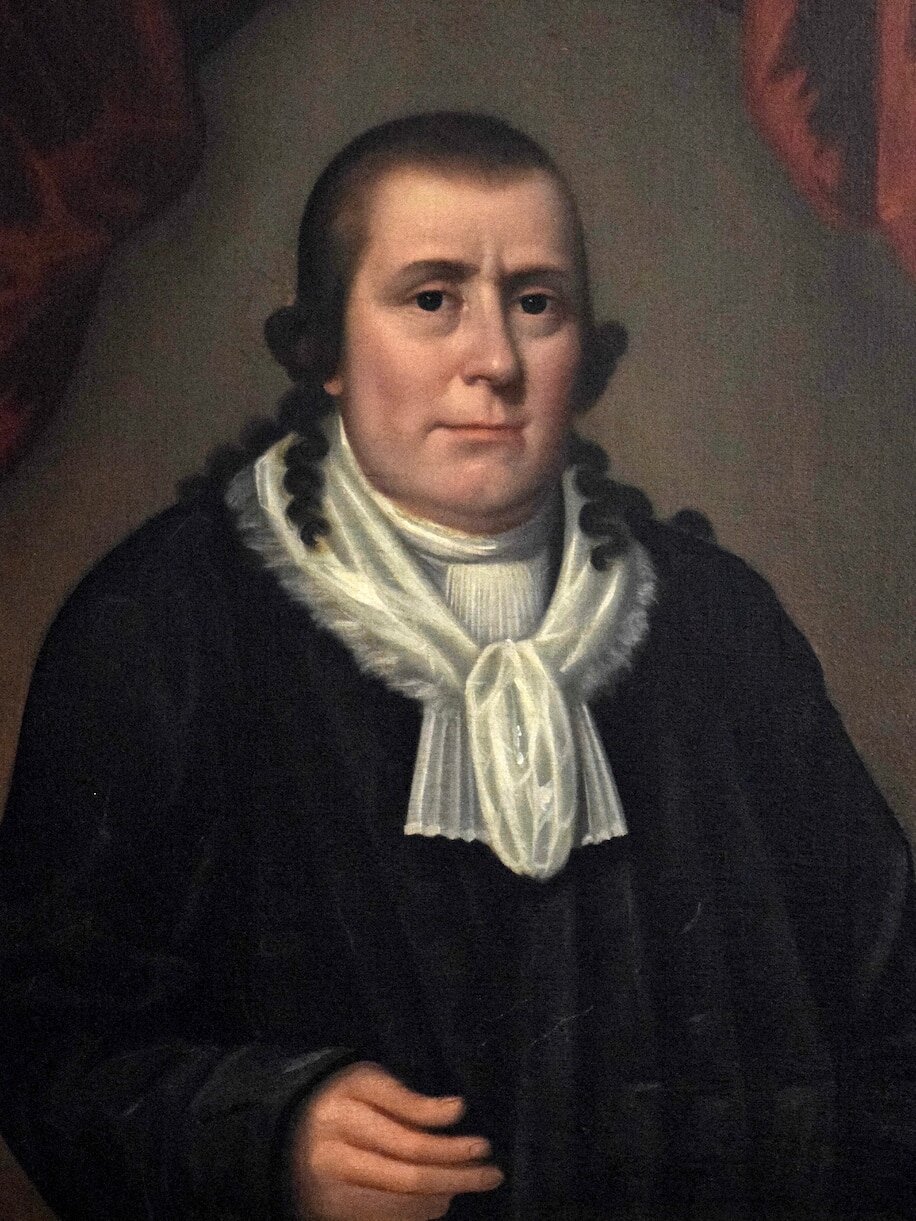
Biography
1752 - 1819
“I am that I am.” and “There is nothing indecent or improper.’
- Public University Friend when asked about their gender and their appearance and dress choices
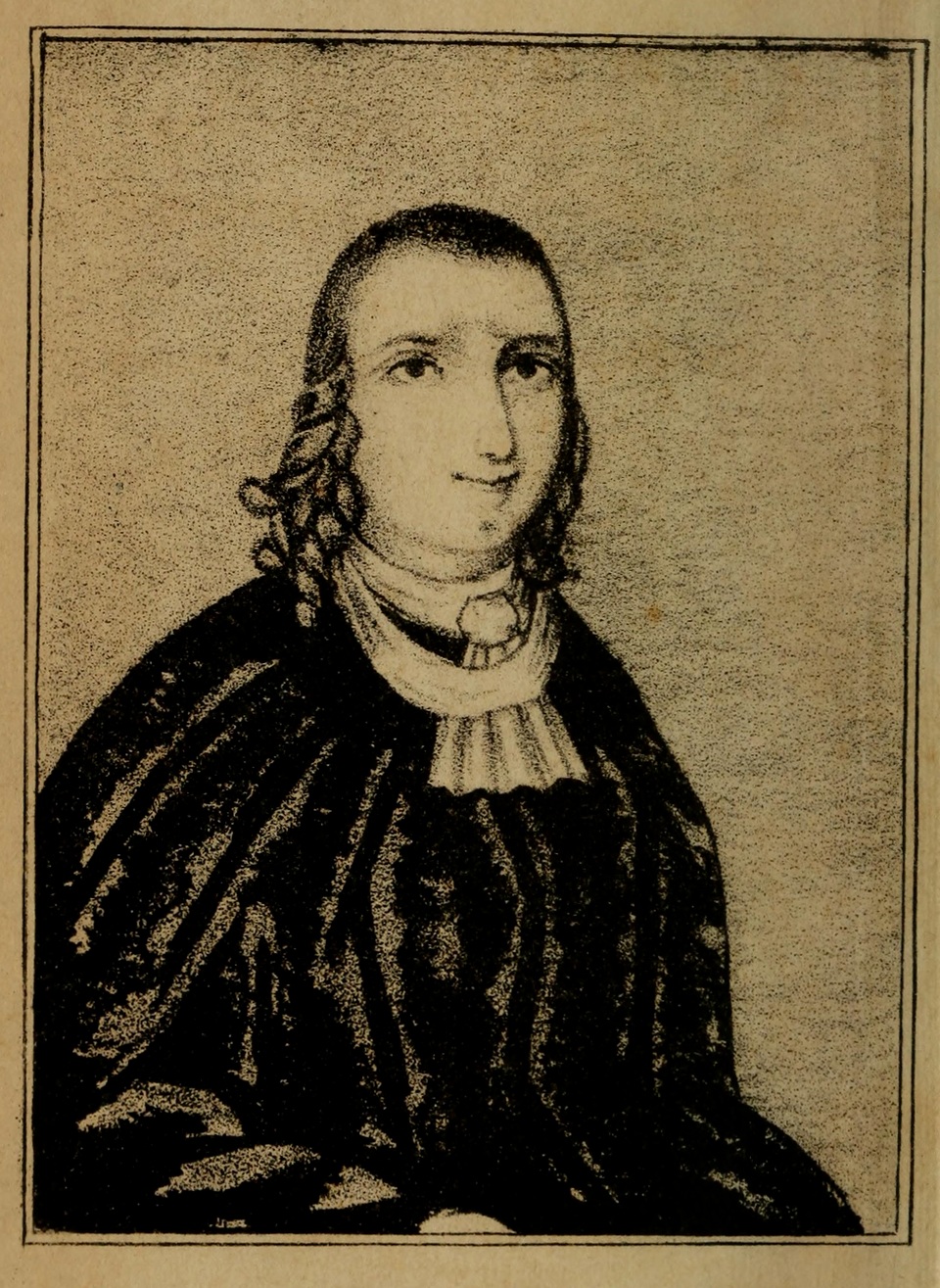
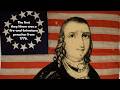
In 1752, the Public Universal Friend (the Friend) was born in Cumberland, Rhode Island and assigned female at birth. Their family had deep roots in Colonial America going back to 1650 when their great-grandfather emigrated from England. The longtime Rhode Island colony governor Stephen Hopkins was their father’s first cousin and one of the signatories to the Declaration of Independence. Their family were members of the Society of Friends aka the Quakers and worshiped at Smithfield Meeting House. Shortly after their mother gave birth to her 12th child, she died when the Public Universal Friend was 12 or 13. A strong and athletic person, the Friend was a great equestrian and avid reader starting as a child and that continued into their adulthood. In the Friend’s early 20’s, they stopped attending Quaker meetings and shifted to the New Light Baptists which sprung up due to the individual enlightenment focused Great Awakening. The Friend became dissatisfied with the New Light Baptists and left that congregation in 1776. This wrestling with their faith caused them stress and the same year they got extremely sick and were near death with a high fever, mostly likely due to typhus. During this illness, the Friend said they died for a brief period and when that happened two archangels came to them and said there was, “Room, Room, Room, in the many Mansions of eternal glory for Thee and for everyone.” This death revelation was disputed by the doctor and other witnesses. The Friend claimed that the soul of their assigned female at birth identity had gone to heaven and their reanimated body with a new genderless spirit must be used to preach the word of God to the masses. They also shunned all pronouns and began to wear androgynous clothes. Their followers respected their wishes and called them “the Public Universal Friend,” “the Friend” or “P.U.F.” When queried about their gender, the Friend said, “I am that I am.” The Friend held worship meetings in Rhode Island, Massachusetts, Connecticut, and Pennsylvania and drew an enthusiastic following under the name Society of Universal Friends. The Friend’s sermons focused on sin, repentance, universal salvation, humility, and hospitality. They also spoke out against predestination, election, slavery, encouraged sexual abstinence, and promoted gender equality. Their open to the public sermons were covered by popular newspapers and pamphlets with some of them being critical of the Friends message and clothing choices. One of the Friends adherents was Sarah Richards who changed her name to Sarah Friend when her husband died. The Friend became close to Sarah and entrusted her with holding the society’s property in a trust. When Sarah died in 1793, she gave custody of her child to the Friend. The following year, the Friend was honored with the Indigenous name “Shinnewawna gis tau ge,” which means “A Great Woman Preacher” in English by the Haudenosaunee peoples because they liked their speech which talked about peace and love. In the early 19th Century, the Friend’s health began to decline which included an edema in 1816. The Friend continued to preach for the next two years with their last sermon taking place in November 1818. They died on July 1, 1819, and according to their wishes, no funeral took place. The Society of Universal Friends disappeared by the 1860s due to a lack of new members and the deaths of members during the Friend’s life. The Friend’s home and temporary burial chamber in Jerusalem, New York is included in the National Register of Historical Places.
Demography
Demography
Sexual Orientation Asexual
Gender Identity Genderqueer/Non-Binary
Ethnicity Caucasian/White
Nations Affiliated United States
Era/Epoch Enlightenment (1685-1815)
Field(s) of Contribution
Education
Humanities & Religion
Media & Communications
Social Justice
Social Sciences
US History
Commemorations & Honors
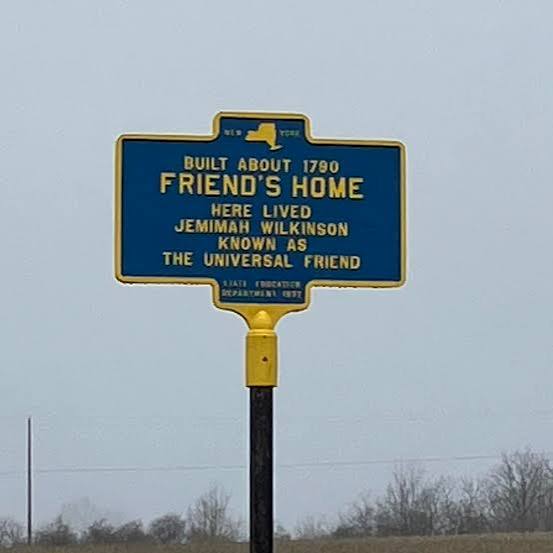
Public Universal Friend Marker Erected in Jerusalem/Penn Yan, New York by New York State Education Department (1932)
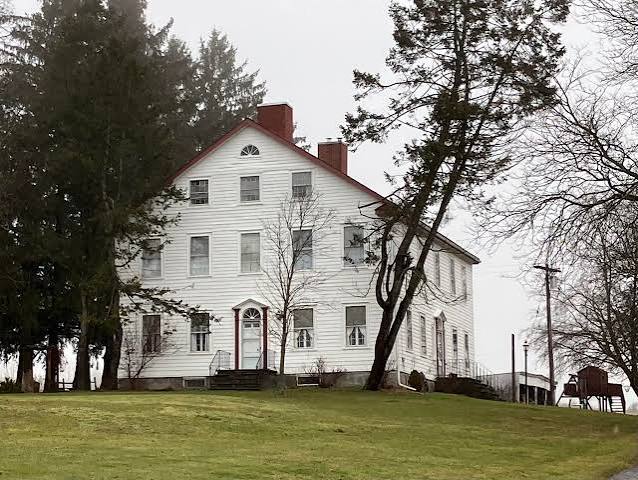
Public Universal Friend's Home and Temporary Burial Chamber in Jerusalem, New York Included in National Register of Historical Places (
Resources
Resources

https://www.amrevmuseum.org/who-was-the-public-universal-friend
https://www.pbs.org/opb/historydetectives/investigation/universal-friends/index.html
https://glreview.org/article/also-born-in-1776-public-universal-friend/
https://wams.nyhistory.org/life-story/public-universal-friend/
Resources
https://www.amrevmuseum.org/who-was-the-public-universal-friend
https://www.pbs.org/opb/historydetectives/investigation/universal-friends/index.html
https://glreview.org/article/also-born-in-1776-public-universal-friend/
https://wams.nyhistory.org/life-story/public-universal-friend/