Biography
1933 - 2015
“Every act of perception, is to some degree an act of creation, and every act of memory is to some degree an act of imagination.”
- Oliver Sacks
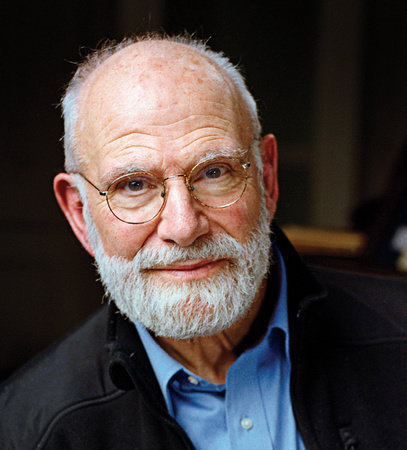
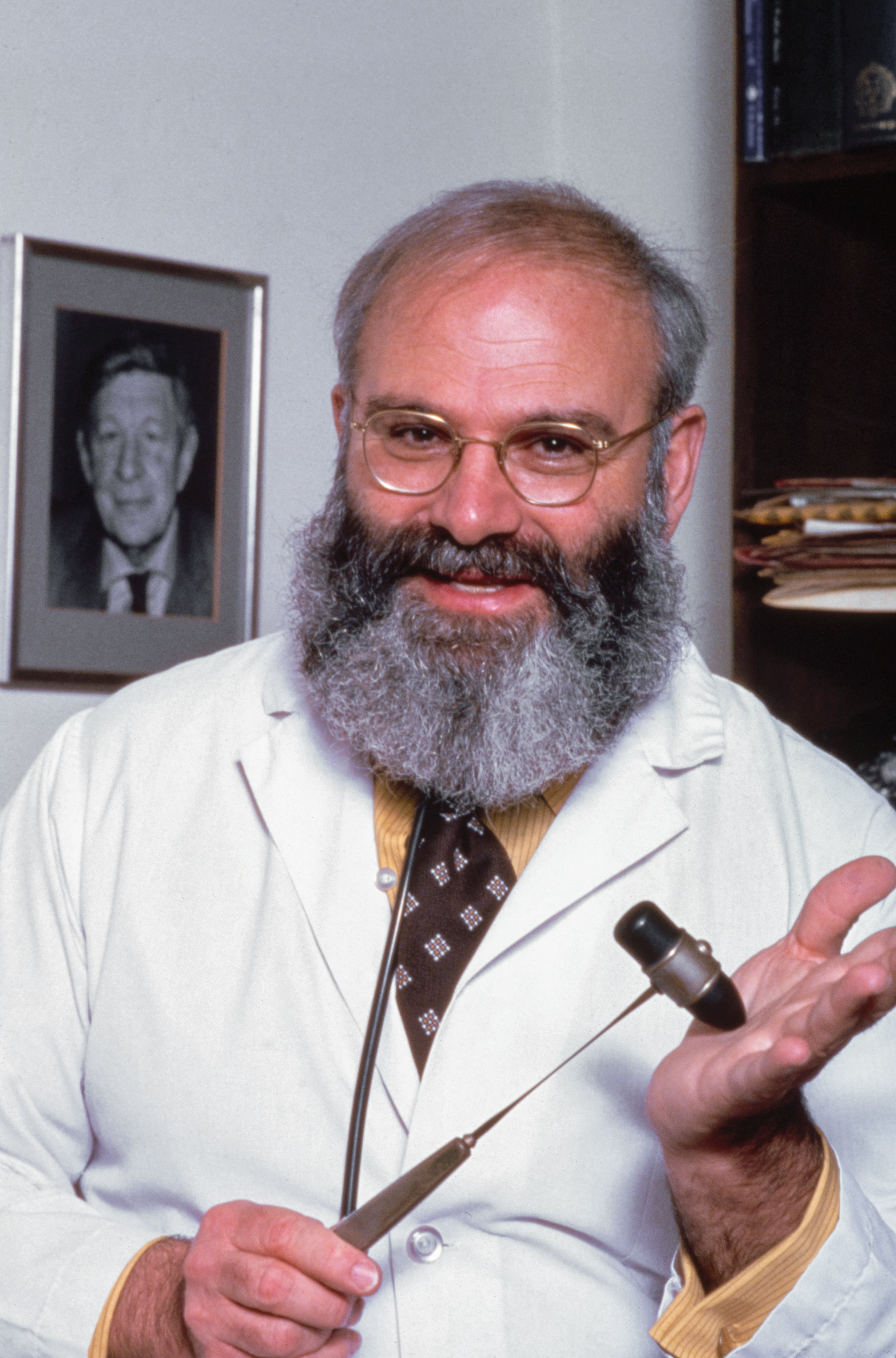
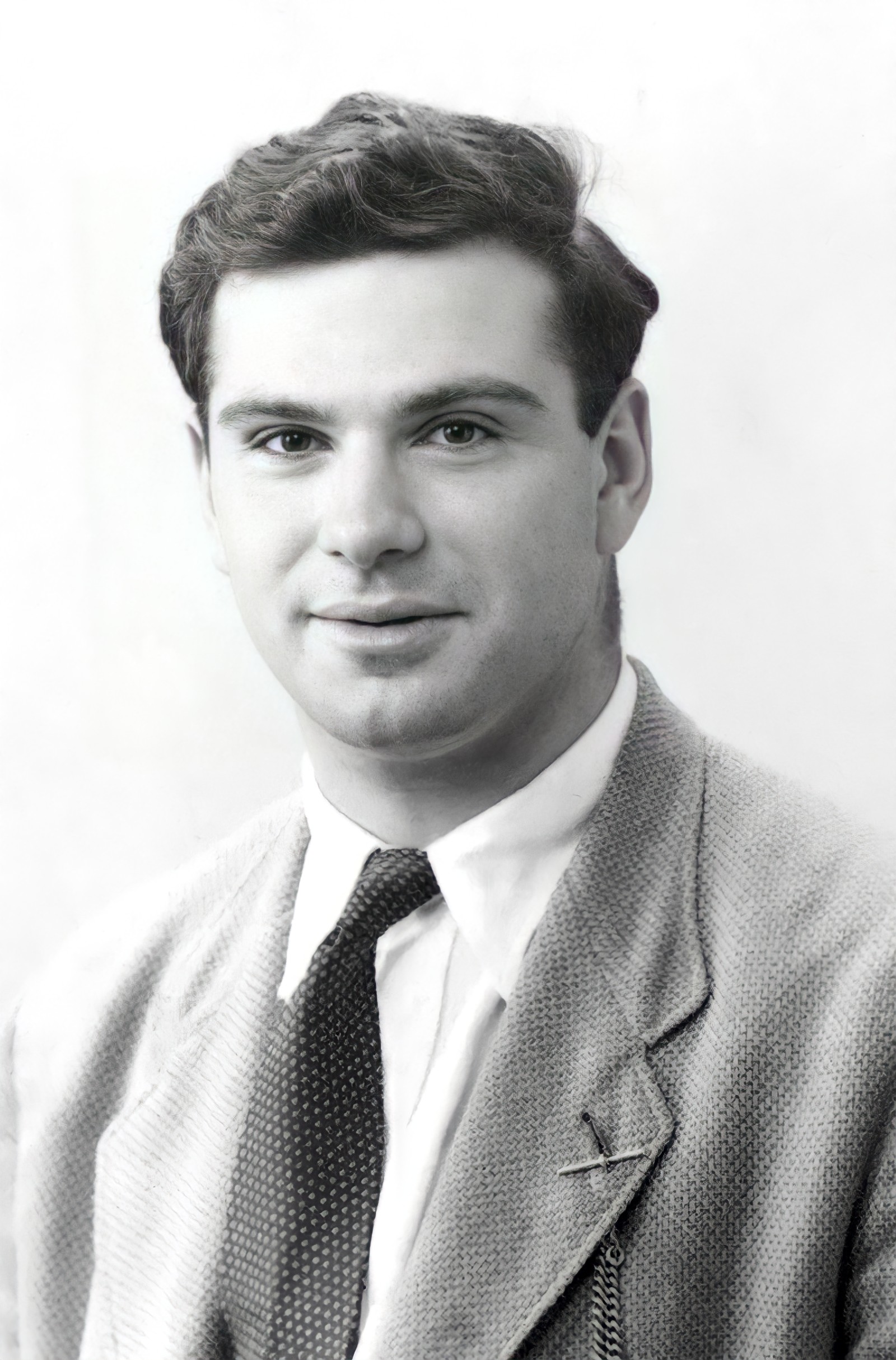
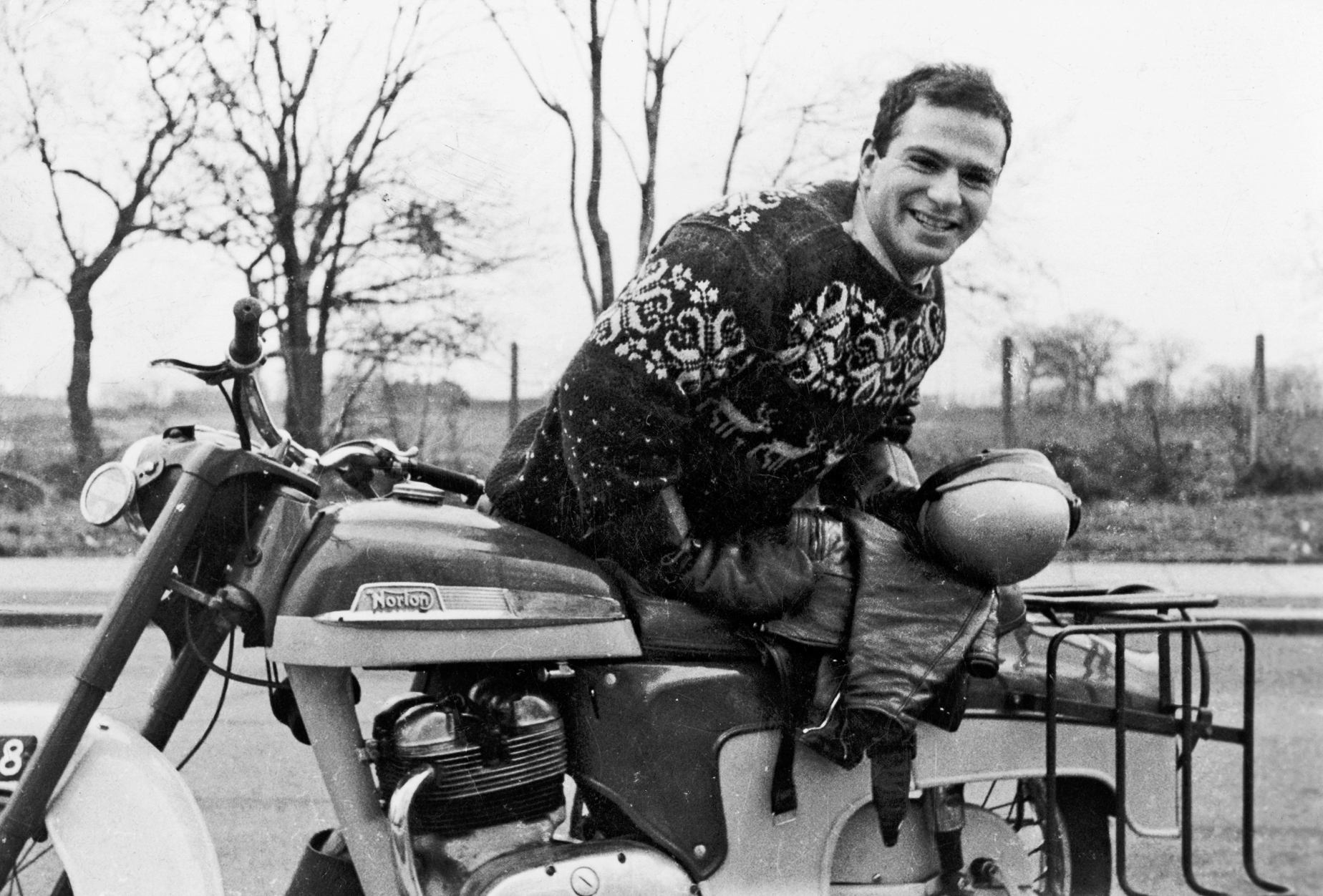
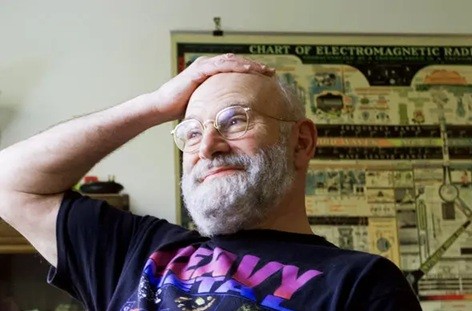
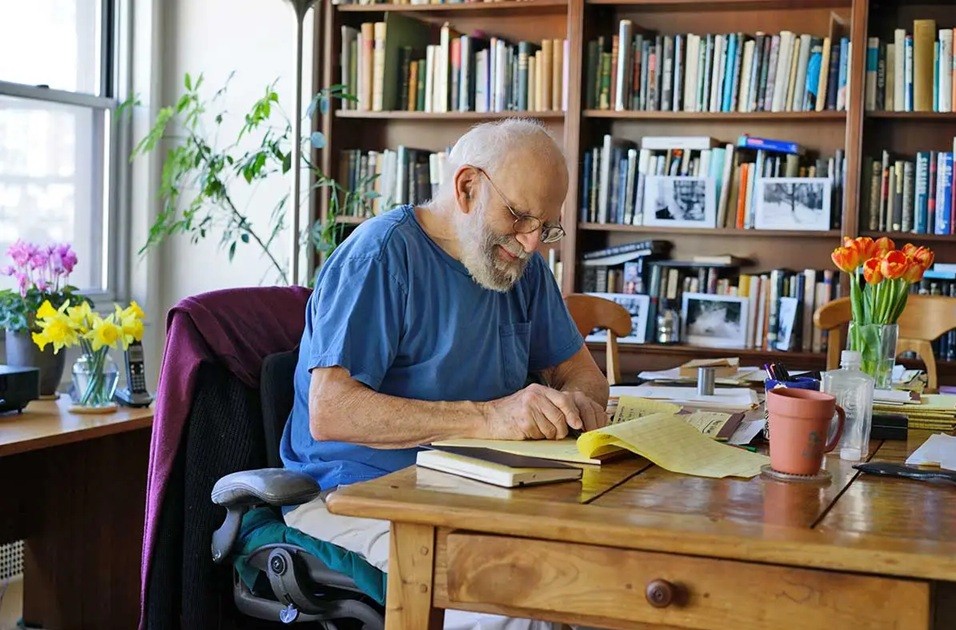
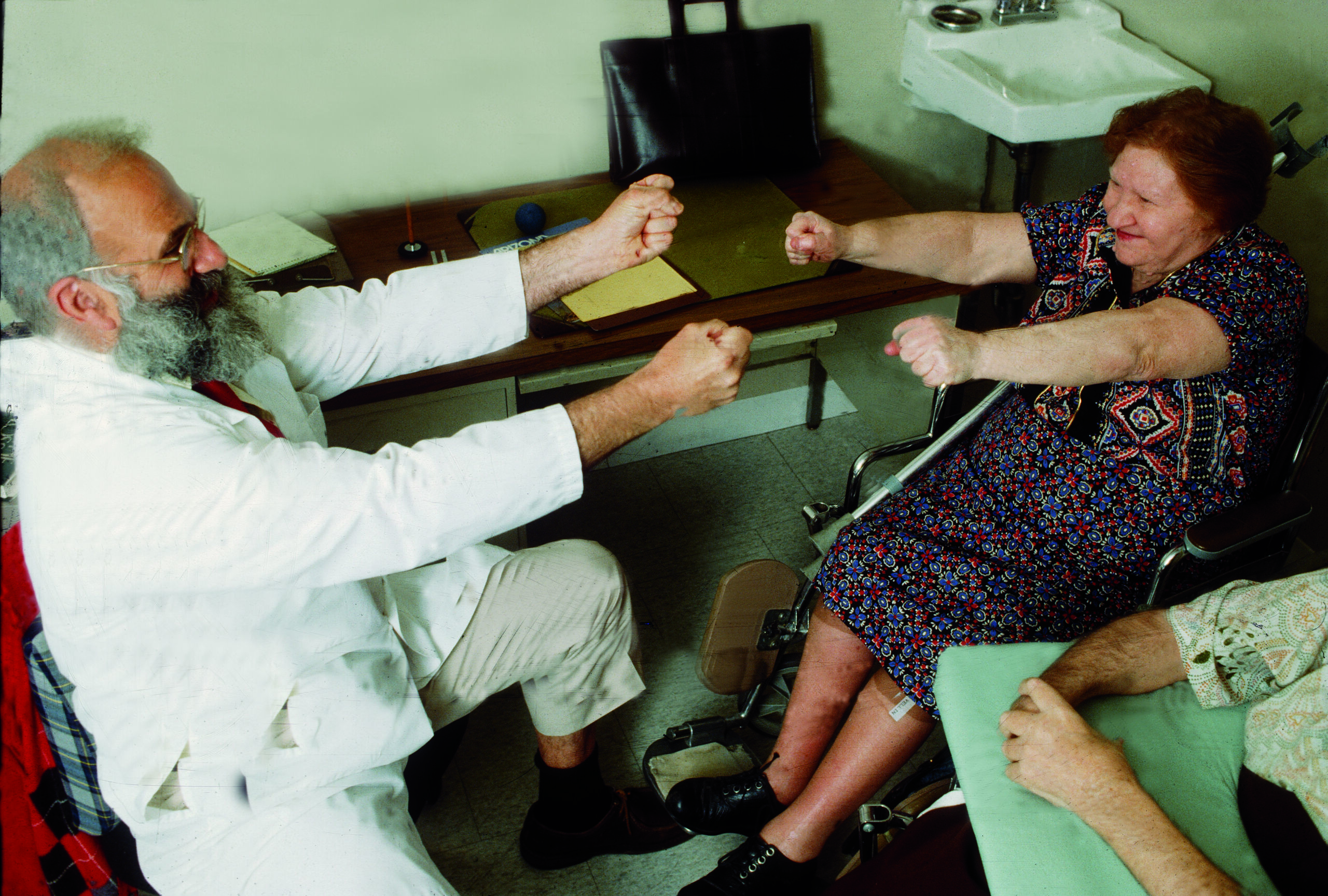
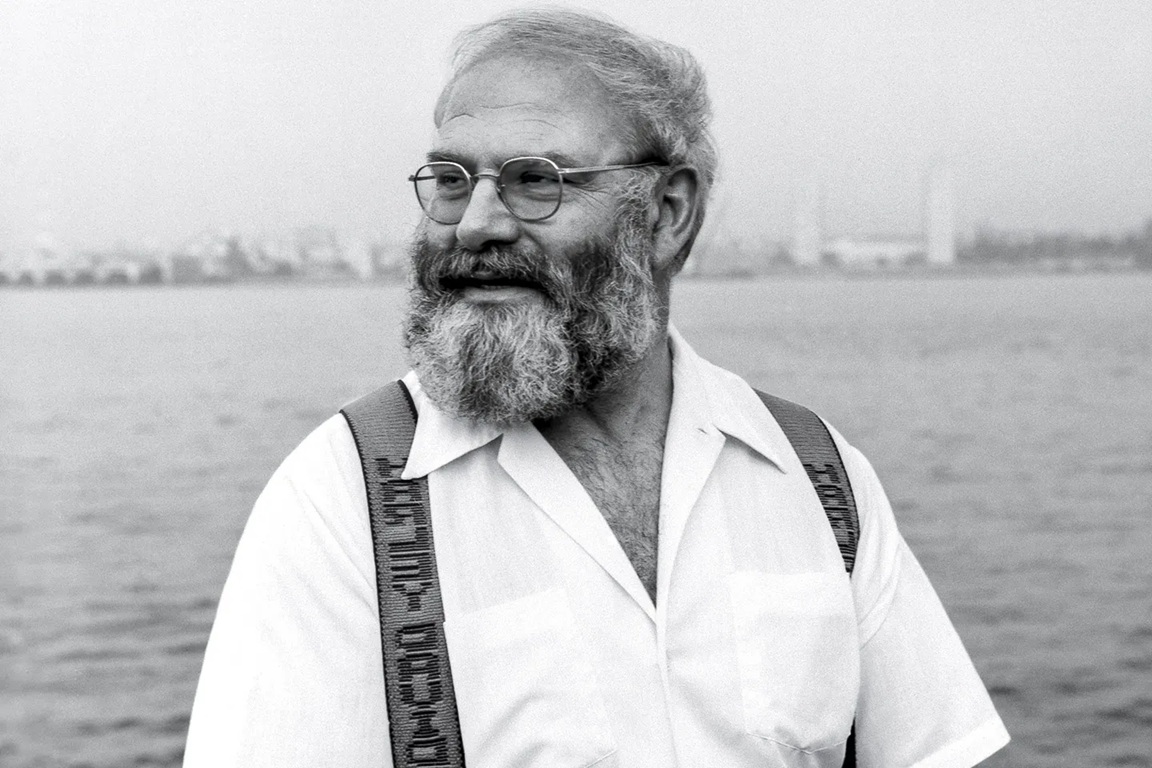
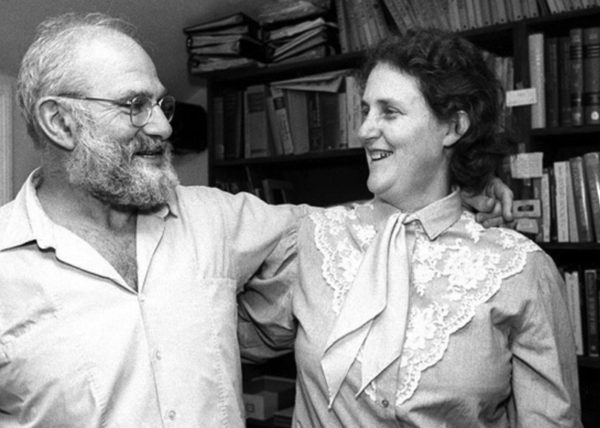
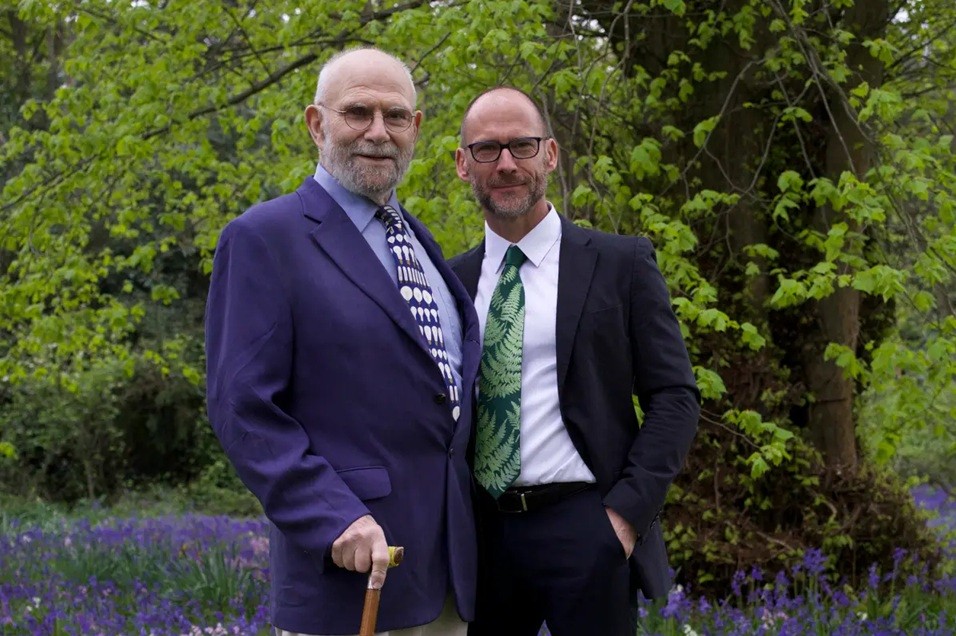
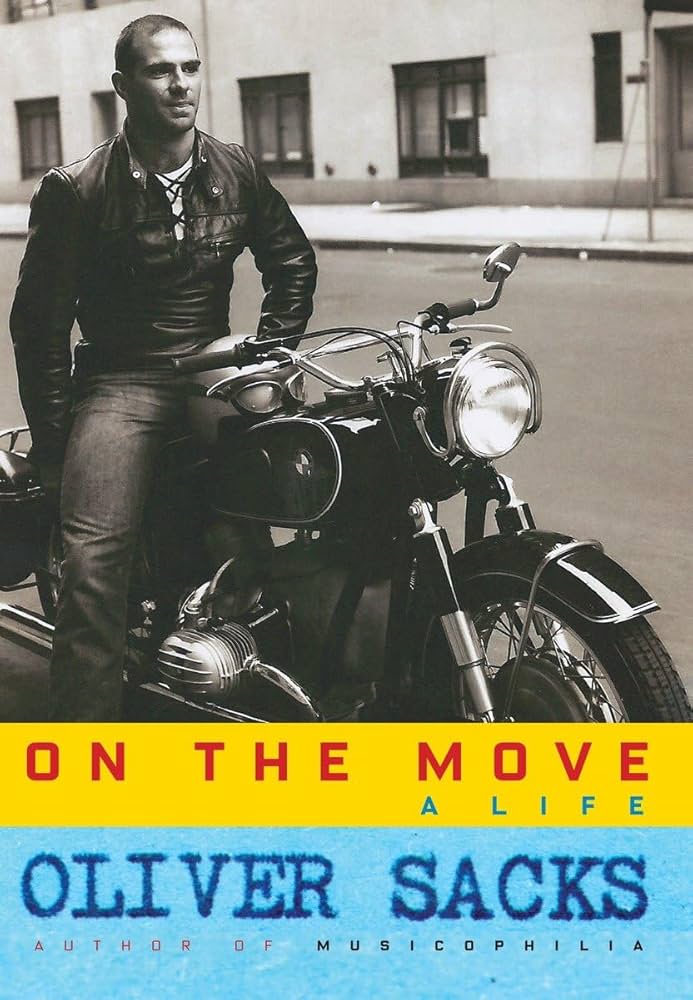
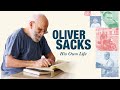
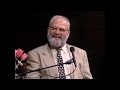
British neurologist, naturalist, science historian, pianist, and writer Oliver Sacks was born in 1933 in London into a family of doctors and scientists. Sacks and his older brother Michael were evacuated from London in December 1939 to escape the Blitz. They were sent to an English Midlands boarding school for four years where, in his first autobiography, Uncle Tungsten: Memories of a Chemical Boyhood, he wrote about the lack of food and awful punishments that were meted out by the headmaster. When Sacks returned home at the age of 10 with his brother, he gravitated to the sciences just like most of his family members. Sacks witnessed Michael’s psychotic breakdown when he was 15, which was later diagnosed as schizophrenia. Fearing that he would have the same breakdown caused Sacks to create his own scientific universe with which to focus on. He would later transfer the empathy and sorrow he felt about his brother to his patients. Sacks was also a very shy and introverted person for his entire life. Before Sacks went to college he revealed to his parents that he was gay. His mother told him he was an abomination and wished he was never born, which had lasting and negative effects on his life. Sacks decided to bury himself in his medical studies at college. When one of Sacks mentors failed to help him with his research he fell into deep depression which led to him to take a break from his studies. Sacks moved to Israel in the summer of 1955 where he lived on a kibbutz and did physical labor. He traveled the country and contemplated his choice of becoming a doctor which he decided was correct. Sacks received his medical degree from Oxford University and Middlesex Hospital Medical School. After a short time working as a doctor in the U.K. and Canada, Sacks decided to move to California where he did his official residencies and fellowship work at Mt. Zion Hospital in San Francisco and UCLA in Los Angeles. His desire to leave the U.K. was partly driven by his mother’s rejection of his gay identity which he later said, “Her words haunted me for much of my life and played a major part in inhibiting and injecting with guilt what should have been a free and joyous expression of sexuality.” Sacks wanted to turn the page in California so he decided to buy a motorcycle, become a weightlifter and attempt to explore his sexuality. In Los Angeles, Sacks fell in love with a straight man named Mel who rejected him which caused him to take amphetamines and ride his motorcycle for 36 hours at a time. He was deeply unhappy and self-destructive, which he recognized after looking in the mirror at his emaciated face and that’s when he began to see a therapist. After completing his residency and fellowship work in 1965, Sacks moved to the Bronx in New York City to work at Yeshiva University’s Albert Einstein College of Medicine on an interdisciplinary scholarship in neuropathology. Others declared that Sacks’ research skills were lacking so he was sent to treat patients as a consulting neurologist at the chronic care Beth Abraham Hospital where he stayed for the rest of his medical career. While at Beth Abraham, Sacks discovered human statue patients who had been in this frozen state for decades. He realized these people were Encephalitis lethargica global pandemic (1916-1927) survivors and decided to treat them with a then experimental drug, L-dopa which brought these patients back to life for a brief time. This drug had debilitating side effects which caused them to regress. These patients were the focus of Sacks’ 1973 book Awakenings which would later become a play by Harold Pinter, and a Penny Marshall directed Oscar-nominated feature film starring Robert De Niro and Robin Williams. Sacks’ approach to medical care was examining ways his patients coped and adapted to their different neurological challenges and saw each of them as individuals who had their unique ways of experiencing the world around them. His work resulted in him becoming a household name and named the godfather of neurodiversity despite the lack of respect he received from the medical community which irritated him greatly. Alongside his most famous book Awakenings, Sacks also wrote about amnesia, face blindness, Tourette’s syndrome and other neurological conditions in his non-fiction books Migraines, A Leg to Stand On, The Man Who Mistook His Wife for a Hat and Other Clinical Tales, Seeing Voices, An Anthropologist on Mars, The Island of the Colorblind, Oaxaca Journal, Musicophilia, Asylum, The Mind’s Eye, Hallucinations, Gratitude and three that were published after his death, The River of Consciousness, Everything in Its Place, and The Creative Self. He also wrote two memoires: Uncle Tungsten: Memories of a Chemical Boyhood and On the Move: A Life, the latter in which he revealed his gay identity in public for the first time. He also wrote down his thoughts in 600 journals and was a contributing writer for the New Yorker and the New York Review of Books. Sacks was also a Yeshiva University’s Albert Einstein College of Medicine professor of clinical neurology from 1966 to 2007, Columbia University Medical Center professor of neurology and psychiatry from 2007-2012, New York University (NYU) School of Medicine professor of neurology and practiced at NYU Comprehensive Epilepsy Center from 2012-2015 and University of Warwick visiting professor. Despite declaring that he intended to become a U.S. citizen in 1961, Sacks told an interviewer in 2005 that he never did so, remaining what he liked to call himself, a “resident alien” on an extended visit. He lived in an apartment in City Island, the Bronx for many decades and frequently swam in the Hudson River. Sacks’ decades-long celibacy that began in his 40s ended in 2009 at age 76 when he fell in love with 48 year old New York Times contributor and The Anatomist author Bill Hayes. The couple met two years prior when Hayes was living in San Francisco. Sacks wrote to Hayes and they struck up a long distance correspondence that led to a friendship and then their six-year long romantic relationship, however, they never lived together with Hayes moving into another apartment in Sacks building. Hayes wrote about their relationship in his 2017 memoir, Insomniac City: New York, Oliver, and Me. In 2015, Sacks’ doctor told him he had terminal metastatic cancer with only a few months to live so he decided to invite filmmaker Ric Burns into his apartment to shoot a documentary about his life. Burns recorded 80 hours of marathon interviews across five days where he discussed his gay identity and myriads of other aspects of his life for what would be called, Oliver Sacks: His Own Life, premiered in 2019 on PBS’ American Masters series. He died at age 82 in August 2015 in his Greenwich Village apartment with Hayes and close friends by his side. In 2022, two of Sacks’ friends wrote an opera based on Awakenings which opened at the Opera Theater of St. Louis that for the first time portrayed him as a gay man. An ongoing NBC medical drama Brilliant Minds inspired by Sacks’ case studies in The Man Who Mistook His Wife for a Hat and An Anthropologist on Mars premiered in 2024 starring out gay actor Zachary Quinto as a modern day version of him at the fictional Bronx General Hospital. Sacks was awarded the Golden Plate Award from the American Academy of Achievement, the Lewis Thomas Prize by Rockefeller University, made an honorary fellow by numerous organizations, and given honorary degrees from many colleges and universities. When a minor planet was discovered in 2003, it was named in his honor (84928 Oliversacks). He was also appointed Commander of the Order of the British Empire at Queen Elizabeth II’s Birthday Honors in 2008. Just prior to Sacks’ death, he founded the non-profit Oliver Sacks Foundation to continue his work of using narrative non-fiction and case histories to understand the brain. His archives are now housed at New York Public Library.
1933 - 2015
“Every act of perception, is to some degree an act of creation, and every act of memory is to some degree an act of imagination.”
- Oliver Sacks
British neurologist, naturalist, science historian, pianist, and writer Oliver Sacks was born in 1933 in London into a family of doctors and scientists. Sacks and his older brother Michael were evacuated from London in December 1939 to escape the Blitz. They were sent to an English Midlands boarding school for four years where, in his first autobiography, Uncle Tungsten: Memories of a Chemical Boyhood, he wrote about the lack of food and awful punishments that were meted out by the headmaster. When Sacks returned home at the age of 10 with his brother, he gravitated to the sciences just like most of his family members. Sacks witnessed Michael’s psychotic breakdown when he was 15, which was later diagnosed as schizophrenia. Fearing that he would have the same breakdown caused Sacks to create his own scientific universe with which to focus on. He would later transfer the empathy and sorrow he felt about his brother to his patients. Sacks was also a very shy and introverted person for his entire life. Before Sacks went to college he revealed to his parents that he was gay. His mother told him he was an abomination and wished he was never born, which had lasting and negative effects on his life. Sacks decided to bury himself in his medical studies at college. When one of Sacks mentors failed to help him with his research he fell into deep depression which led to him to take a break from his studies. Sacks moved to Israel in the summer of 1955 where he lived on a kibbutz and did physical labor. He traveled the country and contemplated his choice of becoming a doctor which he decided was correct. Sacks received his medical degree from Oxford University and Middlesex Hospital Medical School. After a short time working as a doctor in the U.K. and Canada, Sacks decided to move to California where he did his official residencies and fellowship work at Mt. Zion Hospital in San Francisco and UCLA in Los Angeles. His desire to leave the U.K. was partly driven by his mother’s rejection of his gay identity which he later said, “Her words haunted me for much of my life and played a major part in inhibiting and injecting with guilt what should have been a free and joyous expression of sexuality.” Sacks wanted to turn the page in California so he decided to buy a motorcycle, become a weightlifter and attempt to explore his sexuality. In Los Angeles, Sacks fell in love with a straight man named Mel who rejected him which caused him to take amphetamines and ride his motorcycle for 36 hours at a time. He was deeply unhappy and self-destructive, which he recognized after looking in the mirror at his emaciated face and that’s when he began to see a therapist. After completing his residency and fellowship work in 1965, Sacks moved to the Bronx in New York City to work at Yeshiva University’s Albert Einstein College of Medicine on an interdisciplinary scholarship in neuropathology. Others declared that Sacks’ research skills were lacking so he was sent to treat patients as a consulting neurologist at the chronic care Beth Abraham Hospital where he stayed for the rest of his medical career. While at Beth Abraham, Sacks discovered human statue patients who had been in this frozen state for decades. He realized these people were Encephalitis lethargica global pandemic (1916-1927) survivors and decided to treat them with a then experimental drug, L-dopa which brought these patients back to life for a brief time. This drug had debilitating side effects which caused them to regress. These patients were the focus of Sacks’ 1973 book Awakenings which would later become a play by Harold Pinter, and a Penny Marshall directed Oscar-nominated feature film starring Robert De Niro and Robin Williams. Sacks’ approach to medical care was examining ways his patients coped and adapted to their different neurological challenges and saw each of them as individuals who had their unique ways of experiencing the world around them. His work resulted in him becoming a household name and named the godfather of neurodiversity despite the lack of respect he received from the medical community which irritated him greatly. Alongside his most famous book Awakenings, Sacks also wrote about amnesia, face blindness, Tourette’s syndrome and other neurological conditions in his non-fiction books Migraines, A Leg to Stand On, The Man Who Mistook His Wife for a Hat and Other Clinical Tales, Seeing Voices, An Anthropologist on Mars, The Island of the Colorblind, Oaxaca Journal, Musicophilia, Asylum, The Mind’s Eye, Hallucinations, Gratitude and three that were published after his death, The River of Consciousness, Everything in Its Place, and The Creative Self. He also wrote two memoires: Uncle Tungsten: Memories of a Chemical Boyhood and On the Move: A Life, the latter in which he revealed his gay identity in public for the first time. He also wrote down his thoughts in 600 journals and was a contributing writer for the New Yorker and the New York Review of Books. Sacks was also a Yeshiva University’s Albert Einstein College of Medicine professor of clinical neurology from 1966 to 2007, Columbia University Medical Center professor of neurology and psychiatry from 2007-2012, New York University (NYU) School of Medicine professor of neurology and practiced at NYU Comprehensive Epilepsy Center from 2012-2015 and University of Warwick visiting professor. Despite declaring that he intended to become a U.S. citizen in 1961, Sacks told an interviewer in 2005 that he never did so, remaining what he liked to call himself, a “resident alien” on an extended visit. He lived in an apartment in City Island, the Bronx for many decades and frequently swam in the Hudson River. Sacks’ decades-long celibacy that began in his 40s ended in 2009 at age 76 when he fell in love with 48 year old New York Times contributor and The Anatomist author Bill Hayes. The couple met two years prior when Hayes was living in San Francisco. Sacks wrote to Hayes and they struck up a long distance correspondence that led to a friendship and then their six-year long romantic relationship, however, they never lived together with Hayes moving into another apartment in Sacks building. Hayes wrote about their relationship in his 2017 memoir, Insomniac City: New York, Oliver, and Me. In 2015, Sacks’ doctor told him he had terminal metastatic cancer with only a few months to live so he decided to invite filmmaker Ric Burns into his apartment to shoot a documentary about his life. Burns recorded 80 hours of marathon interviews across five days where he discussed his gay identity and myriads of other aspects of his life for what would be called, Oliver Sacks: His Own Life, premiered in 2019 on PBS’ American Masters series. He died at age 82 in August 2015 in his Greenwich Village apartment with Hayes and close friends by his side. In 2022, two of Sacks’ friends wrote an opera based on Awakenings which opened at the Opera Theater of St. Louis that for the first time portrayed him as a gay man. An ongoing NBC medical drama Brilliant Minds inspired by Sacks’ case studies in The Man Who Mistook His Wife for a Hat and An Anthropologist on Mars premiered in 2024 starring out gay actor Zachary Quinto as a modern day version of him at the fictional Bronx General Hospital. Sacks was awarded the Golden Plate Award from the American Academy of Achievement, the Lewis Thomas Prize by Rockefeller University, made an honorary fellow by numerous organizations, and given honorary degrees from many colleges and universities. When a minor planet was discovered in 2003, it was named in his honor (84928 Oliversacks). He was also appointed Commander of the Order of the British Empire at Queen Elizabeth II’s Birthday Honors in 2008. Just prior to Sacks’ death, he founded the non-profit Oliver Sacks Foundation to continue his work of using narrative non-fiction and case histories to understand the brain. His archives are now housed at New York Public Library.
Demography
Demography
Gender Male
Sexual Orientation Gay
Gender Identity Cisgender
Ethnicity Caucasian/White Jewish
Faith Construct Judaic
Nations Affiliated United Kingdom United States
Era/Epoch Cold War (1945-1991) Information Age (1970-present) World War II (1939-1945)
Field(s) of Contribution
Academics
Author
Education
Medicine
Music
Science
Social Sciences
STEM & Medicine
US History
World History
Commemorations & Honors
Named a New York Academy of Sciences Fellow (1999)
Named a Queen College, Oxford Honorary Fellow (1999)
American Academy of Achievement Golden Plate Awardee (2000)
Rockefeller University Lewis Thomas Prize Awardee (2001)
Named a American Academy of Arts and Sciences Fellow (2002)
Minor Planet 84928 Oliversacks Named in His Honor (2003)
Commander of the Order of the British Empire For Services to Medicine Appointee During Queen's Birthday Honors (2008)
Honorary Doctorates at Multiple Institutions of Higher Learning
Demography
Gender Male
Sexual Orientation Gay
Gender Identity Cisgender
Ethnicity Caucasian/White Jewish
Faith Construct Judaic
Nations Affiliated United Kingdom United States
Era/Epoch Cold War (1945-1991) Information Age (1970-present) World War II (1939-1945)
Field(s) of Contribution
Academics
Author
Education
Medicine
Music
Science
Social Sciences
STEM & Medicine
US History
World History
Commemorations & Honors
Named a New York Academy of Sciences Fellow (1999)
Named a Queen College, Oxford Honorary Fellow (1999)
American Academy of Achievement Golden Plate Awardee (2000)
Rockefeller University Lewis Thomas Prize Awardee (2001)
Named a American Academy of Arts and Sciences Fellow (2002)
Minor Planet 84928 Oliversacks Named in His Honor (2003)
Commander of the Order of the British Empire For Services to Medicine Appointee During Queen's Birthday Honors (2008)
Honorary Doctorates at Multiple Institutions of Higher Learning
Resources
Resources


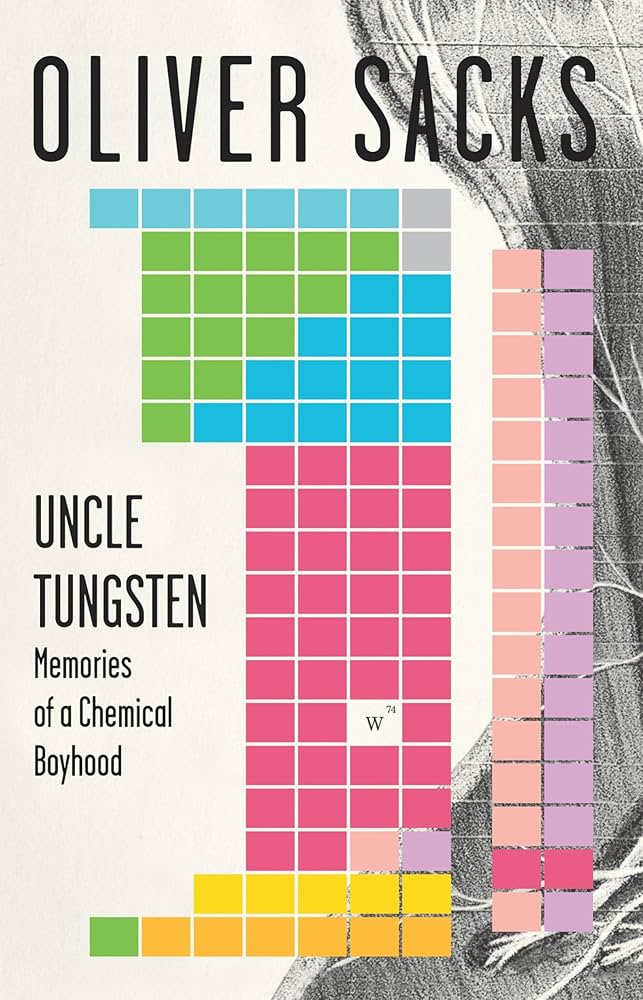

Sacks, Oliver. Uncle Tungsten: Memories of a Chemical Boyhood. New York: Vintage, 2002.
Sacks, Oliver. On the Move: A Life. New York: Vintage, 2015.
Weschler, Lawrence. And How Are You, Dr. Sacks?: A Biographical Memoir of Oliver Sacks. New York: Farrar, Straus and Giroux, 2019.
https://www.themarginalian.org/2015/05/18/oliver-sacks-on-the-move/
https://www.pbs.org/wnet/americanmasters/stream-oliver-sacks-his-own-life-documentary/17521/
https://www.ebar.com/story/297638
https://epgn.com/2020/09/17/new-documentary-focuses-on-late-gay-neurologist-oliver-sacks/
https://jewishinsider.com/2021/04/oliver-sacks-documentary-ric-burns/
https://www.billhayes.com/out-late-with-oliver-sacks/
https://nypost.com/2017/02/12/how-an-author-found-old-fashioned-love-with-oliver-sacks/
https://www.wbur.org/hereandnow/2022/06/22/awakenings-opera-oliver-sacks
https://www.theparisreview.org/blog/2019/08/14/what-thom-gunn-thought-of-oliver-sacks/
https://www.nbc.com/nbc-insider/brilliant-minds-zachary-quinto-oliver-sacks-personal-life
Resources
Sacks, Oliver. Uncle Tungsten: Memories of a Chemical Boyhood. New York: Vintage, 2002.
Sacks, Oliver. On the Move: A Life. New York: Vintage, 2015.
Weschler, Lawrence. And How Are You, Dr. Sacks?: A Biographical Memoir of Oliver Sacks. New York: Farrar, Straus and Giroux, 2019.
https://www.themarginalian.org/2015/05/18/oliver-sacks-on-the-move/
https://www.pbs.org/wnet/americanmasters/stream-oliver-sacks-his-own-life-documentary/17521/
https://www.ebar.com/story/297638
https://epgn.com/2020/09/17/new-documentary-focuses-on-late-gay-neurologist-oliver-sacks/
https://jewishinsider.com/2021/04/oliver-sacks-documentary-ric-burns/
https://www.billhayes.com/out-late-with-oliver-sacks/
https://nypost.com/2017/02/12/how-an-author-found-old-fashioned-love-with-oliver-sacks/
https://www.wbur.org/hereandnow/2022/06/22/awakenings-opera-oliver-sacks
https://www.theparisreview.org/blog/2019/08/14/what-thom-gunn-thought-of-oliver-sacks/
https://www.nbc.com/nbc-insider/brilliant-minds-zachary-quinto-oliver-sacks-personal-life