
Biography
1874 - 1962
“All these plans have one common purpose--to enable every man and woman in this country to come to terms with life according to his own initiative and industry and capacity and courage. They represent only a minimum; they do not--and are not intended to--measure up to an abundant life. Their purpose is simply to give the worker a fair chance, with the cards no longer stacked against him in advance. This much security all of us would surely have for each of us. I like to compare these social provisions for individual security to a platform--a firm footing for the worker.”
(speech at the Women's City Club of Boston, Mass in 1938 about the Social Security Administration)
– Mary Dewson
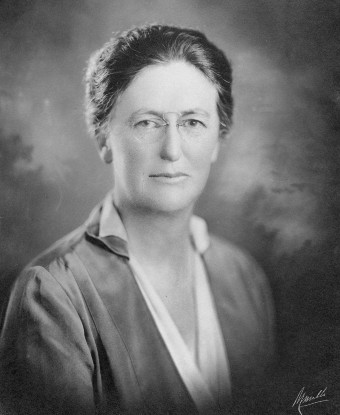
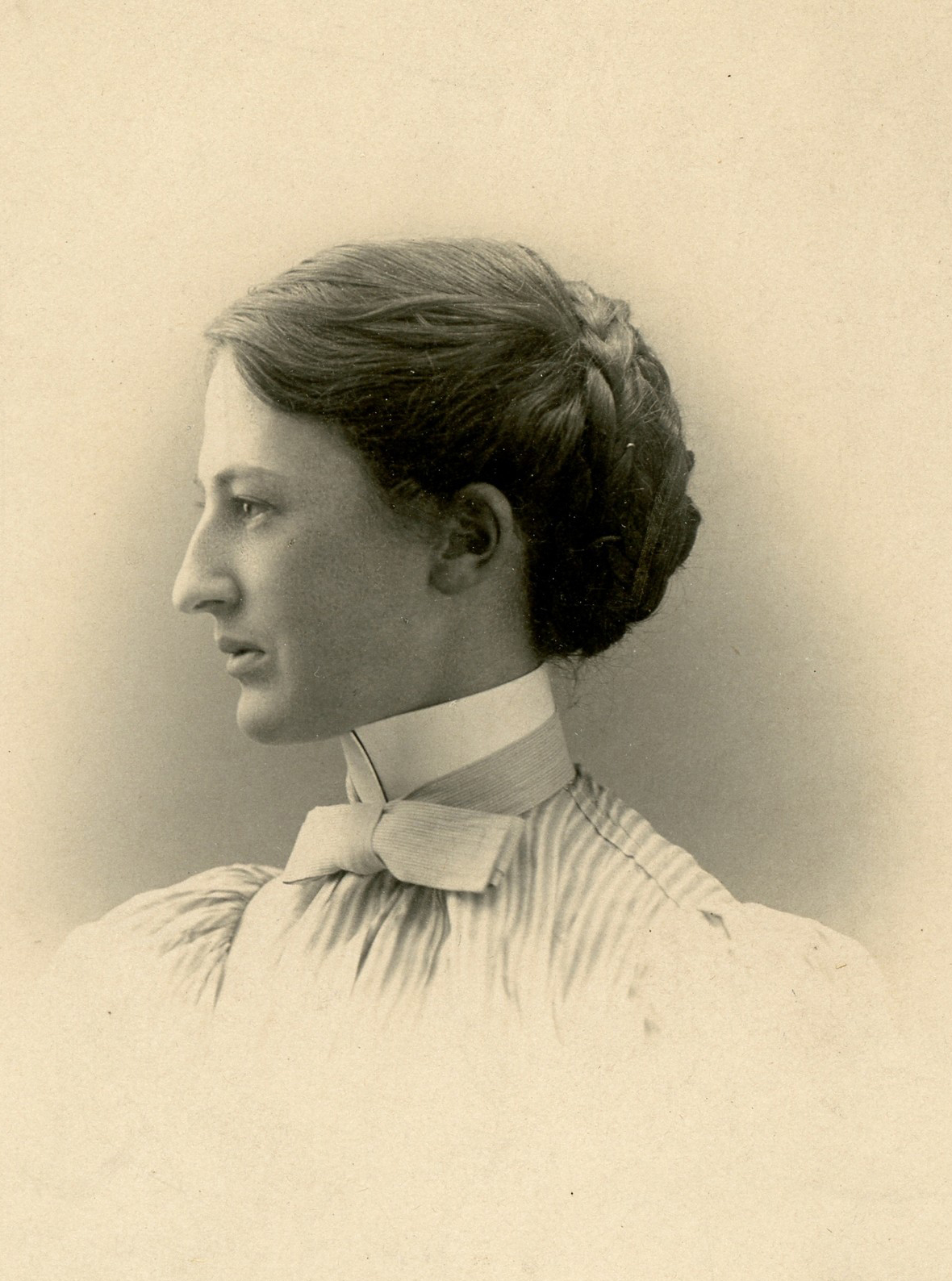
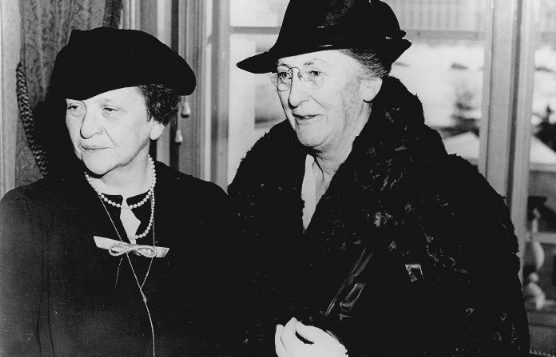
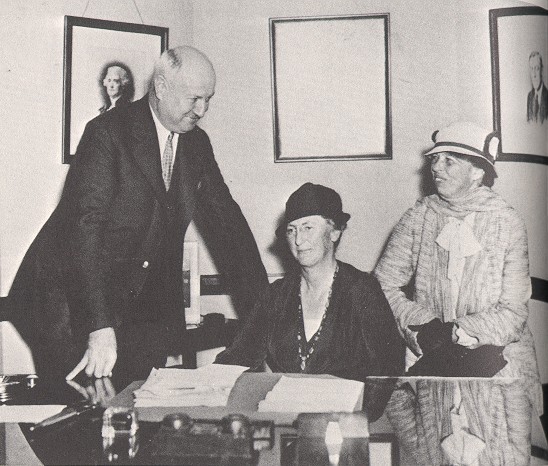
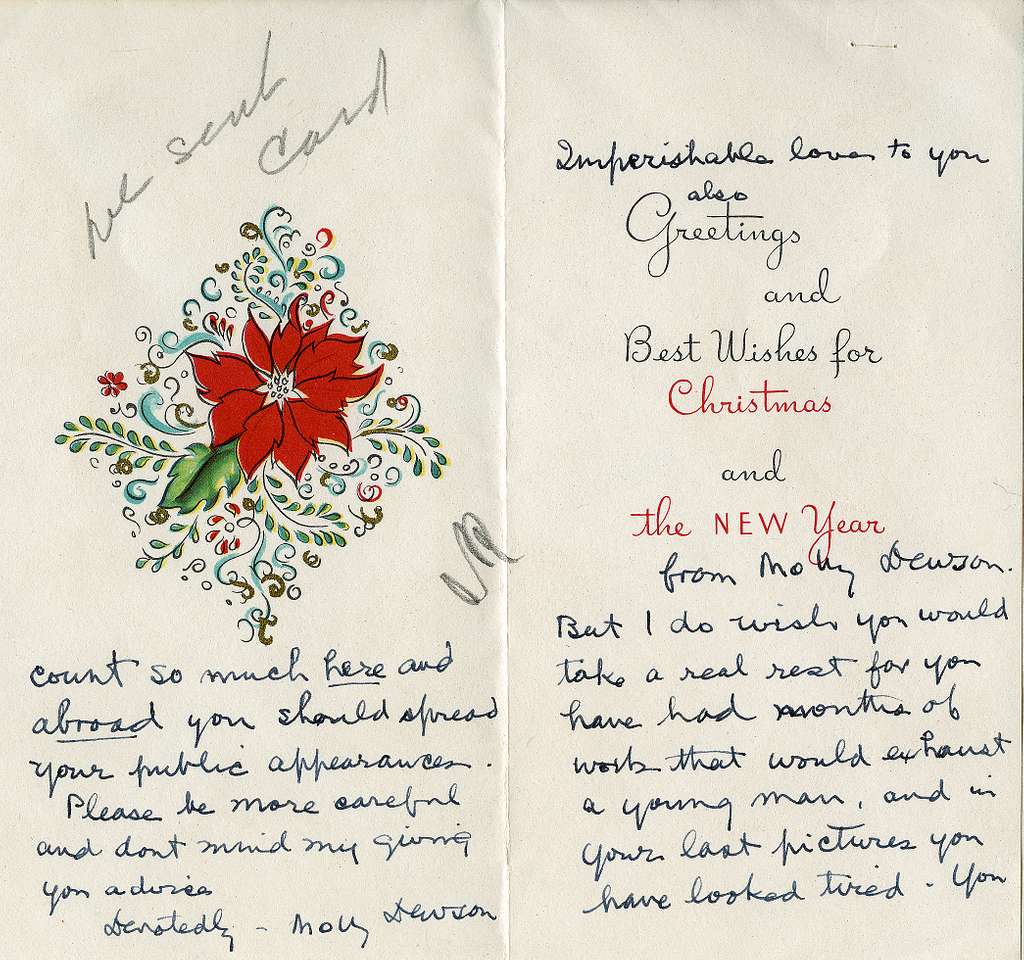
Feminist and political activist Mary Dewson graduated from Wellesley College (where she was elected senior class president) in 1897 with a degree in social work. Her first job as a research assistant with the Boston-based Women’s Educational and Industrial Union (WEIU) was the result of an offer from Elizabeth Glendower Evans (who became one of her mentors). Some of the things Dewson worked on at WEIU were statistical studies, a report on women’s poor working conditions and as a household economics course teacher. Due to the lack of reading material for the course, Dewson decided to write and publish the 1899 The Twentieth Century Expense Book which helped women with their household budget and how to prioritize expenses. A year later, Dewson took a job at the Massachusetts State Industrial School for Girls and in 1904 became the parole department’s first superintendent and used her position to successfully improve the rehabilitation process for the young women delinquents who resided at the school. One of the results of this work was her paper The Delinquent Girl on Parole which she presented at the 1911 National Conference of Charities and Corrections. While working at the Massachusetts State Industrial School for Girls, Dewson met her lifelong romantic partner Polly Porter in 1909 and they moved in together in 1912 following Dewson’s mother’s death. They referred to each other as the Porter-Dewson’s throughout their lives. Also, in 1911 Dewson began advocating for a minimum wage and was named the Minimum Wage Investigative Committee executive secretary and that organization’s report led to Massachusetts’ first ever minimum wage law (the first one of its kind in the United States). Due to this report, Dewson began to garner national attention. Dewson’s fight for women’s rights led to her involvement in Massachusetts’ women’s suffrage campaign in 1915. She also did work for the American Red Cross in France alongside Porter during World War I becoming the Mediterranean Zone’s chief as the war was ending. When Dewson and Porter returned to the United States they moved to Greenwich Village, New York City. Dewson got a job at the National Consumers’ League as social and political reformer Florence Kelley’s principal assistant on their campaign for women and children’s state minimum wage laws which she did for a number of years. In 1928, Dewson volunteered for Democratic presidential candidate Al Smith’s campaign organizing women at the request of Eleanor Roosevelt. She also did this work for Democratic presidential candidate Franklin D. Roosevelt’s (FDR) successful presidential campaign in 1932. One of the things she said during FDR’s 1932 campaign was, “We don't make the old-fashioned plea to the women that our nominee is charming, and all that. We appeal to the intelligence of the country's women. Ours were economic issues and we found the women ready to listen.” Due to the work Dewson did to get FDR elected, she was appointed as the Democratic National Committee's (DNC) Women's Division head and was responsible for a huge increase in women party workers getting government jobs, especially in higher positions of authority at the Social Security and National Recovery Administrations and most importantly, ensuring that Frances Perkins would be made Secretary of Labor. While serving as the New York Consumers’ League president from 1925-1931, she worked alongside Eleanor Roosevelt where she led the Women’s Joint Legislative Conference lobbying for the passage of a New York law that would limit women from working more than 48 hours a week, which was made law in 1930. During her tenure at the New York Consumers’ League, Dewson worked and socialized with Perkins and noted American labor economist and worker’s rights activist Clara Mortenson Beyer. Dewson continued to reform the DNC to ensure that women’s voices would be heard and also created the Reporters Plan to help women campaign workers explain the New Deal to voters. FDR gave her the nickname “the little general” due to the extensive work she did for the Democratic party. He appointed her to the Committee on Economic Security Advisory Council in 1934 and through that role she became interested in the new Social Security program. FDR appointed her to the Social Security Board in 1937 where she created successful systems of federal-state cooperation. She resigned a year later due to health issues and was semi-retired for the rest of her life. One of the things she did as a semi-retiree was become the Maine Democratic Advisory Committee Vice President in 1954. Dewson died in her Castine, Maine home (where she and Porter retired to in 1952) in 1962 at the age of 88.
1874 - 1962
“All these plans have one common purpose--to enable every man and woman in this country to come to terms with life according to his own initiative and industry and capacity and courage. They represent only a minimum; they do not--and are not intended to--measure up to an abundant life. Their purpose is simply to give the worker a fair chance, with the cards no longer stacked against him in advance. This much security all of us would surely have for each of us. I like to compare these social provisions for individual security to a platform--a firm footing for the worker.”
(speech at the Women's City Club of Boston, Mass in 1938 about the Social Security Administration)
– Mary Dewson
Feminist and political activist Mary Dewson graduated from Wellesley College (where she was elected senior class president) in 1897 with a degree in social work. Her first job as a research assistant with the Boston-based Women’s Educational and Industrial Union (WEIU) was the result of an offer from Elizabeth Glendower Evans (who became one of her mentors). Some of the things Dewson worked on at WEIU were statistical studies, a report on women’s poor working conditions and as a household economics course teacher. Due to the lack of reading material for the course, Dewson decided to write and publish the 1899 The Twentieth Century Expense Book which helped women with their household budget and how to prioritize expenses. A year later, Dewson took a job at the Massachusetts State Industrial School for Girls and in 1904 became the parole department’s first superintendent and used her position to successfully improve the rehabilitation process for the young women delinquents who resided at the school. One of the results of this work was her paper The Delinquent Girl on Parole which she presented at the 1911 National Conference of Charities and Corrections. While working at the Massachusetts State Industrial School for Girls, Dewson met her lifelong romantic partner Polly Porter in 1909 and they moved in together in 1912 following Dewson’s mother’s death. They referred to each other as the Porter-Dewson’s throughout their lives. Also, in 1911 Dewson began advocating for a minimum wage and was named the Minimum Wage Investigative Committee executive secretary and that organization’s report led to Massachusetts’ first ever minimum wage law (the first one of its kind in the United States). Due to this report, Dewson began to garner national attention. Dewson’s fight for women’s rights led to her involvement in Massachusetts’ women’s suffrage campaign in 1915. She also did work for the American Red Cross in France alongside Porter during World War I becoming the Mediterranean Zone’s chief as the war was ending. When Dewson and Porter returned to the United States they moved to Greenwich Village, New York City. Dewson got a job at the National Consumers’ League as social and political reformer Florence Kelley’s principal assistant on their campaign for women and children’s state minimum wage laws which she did for a number of years. In 1928, Dewson volunteered for Democratic presidential candidate Al Smith’s campaign organizing women at the request of Eleanor Roosevelt. She also did this work for Democratic presidential candidate Franklin D. Roosevelt’s (FDR) successful presidential campaign in 1932. One of the things she said during FDR’s 1932 campaign was, “We don't make the old-fashioned plea to the women that our nominee is charming, and all that. We appeal to the intelligence of the country's women. Ours were economic issues and we found the women ready to listen.” Due to the work Dewson did to get FDR elected, she was appointed as the Democratic National Committee's (DNC) Women's Division head and was responsible for a huge increase in women party workers getting government jobs, especially in higher positions of authority at the Social Security and National Recovery Administrations and most importantly, ensuring that Frances Perkins would be made Secretary of Labor. While serving as the New York Consumers’ League president from 1925-1931, she worked alongside Eleanor Roosevelt where she led the Women’s Joint Legislative Conference lobbying for the passage of a New York law that would limit women from working more than 48 hours a week, which was made law in 1930. During her tenure at the New York Consumers’ League, Dewson worked and socialized with Perkins and noted American labor economist and worker’s rights activist Clara Mortenson Beyer. Dewson continued to reform the DNC to ensure that women’s voices would be heard and also created the Reporters Plan to help women campaign workers explain the New Deal to voters. FDR gave her the nickname “the little general” due to the extensive work she did for the Democratic party. He appointed her to the Committee on Economic Security Advisory Council in 1934 and through that role she became interested in the new Social Security program. FDR appointed her to the Social Security Board in 1937 where she created successful systems of federal-state cooperation. She resigned a year later due to health issues and was semi-retired for the rest of her life. One of the things she did as a semi-retiree was become the Maine Democratic Advisory Committee Vice President in 1954. Dewson died in her Castine, Maine home (where she and Porter retired to in 1952) in 1962 at the age of 88.
Demography
Demography
Gender Female
Sexual Orientation Lesbian
Gender Identity Cisgender
Ethnicity Caucasian/White
Nations Affiliated United States
Era/Epoch First-wave Feminism (1848-1930) Great Depression (1929-1939) Interwar Period (1918-1939) Progressive Era (1890-1920) Roaring Twenties (1920-1929) World War I (1914-1918)
Field(s) of Contribution
Advocacy & Activism
Author
Civics, Government, Politics, & Law
Education
Military
Politics
Social Justice
Social Sciences
US History
Demography
Gender Female
Sexual Orientation Lesbian
Gender Identity Cisgender
Ethnicity Caucasian/White
Nations Affiliated United States
Era/Epoch First-wave Feminism (1848-1930) Great Depression (1929-1939) Interwar Period (1918-1939) Progressive Era (1890-1920) Roaring Twenties (1920-1929) World War I (1914-1918)
Field(s) of Contribution
Advocacy & Activism
Author
Civics, Government, Politics, & Law
Education
Military
Politics
Social Justice
Social Sciences
US History
Resources
Resources
Ware, Susan. Partner and I: Molly Dewson, Feminism, and New Deal Politics. New Haven, Connecticut: Yale University Press, 1987.
https://www.ssa.gov/history/dewson2.html
https://www.nps.gov/people/mary-dewson.htm
https://www.thoughtco.com/molly-dewson-woman-of-new-deal-3529988
https://erpapers.columbian.gwu.edu/mary-molly-williams-dewson-1874-1962
https://www.ssa.gov/history/dewsonspeech.html
https://www2.gwu.edu/~erpapers/myday/displaydoc.cfm?_y=1936&_f=md054509
Resources
Ware, Susan. Partner and I: Molly Dewson, Feminism, and New Deal Politics. New Haven, Connecticut: Yale University Press, 1987.
https://www.ssa.gov/history/dewson2.html
https://www.nps.gov/people/mary-dewson.htm
https://www.thoughtco.com/molly-dewson-woman-of-new-deal-3529988
https://erpapers.columbian.gwu.edu/mary-molly-williams-dewson-1874-1962
https://www.ssa.gov/history/dewsonspeech.html
https://www2.gwu.edu/~erpapers/myday/displaydoc.cfm?_y=1936&_f=md054509