Biography
1928 - 2022
Well, things really began to change with Kristallnacht … And then I was aware of that it wasn’t so nifty to be a Jew in Germany.
- Margot Heuman in a 1994 USC Shoah Foundation: The Institute for Visual History and Education interview
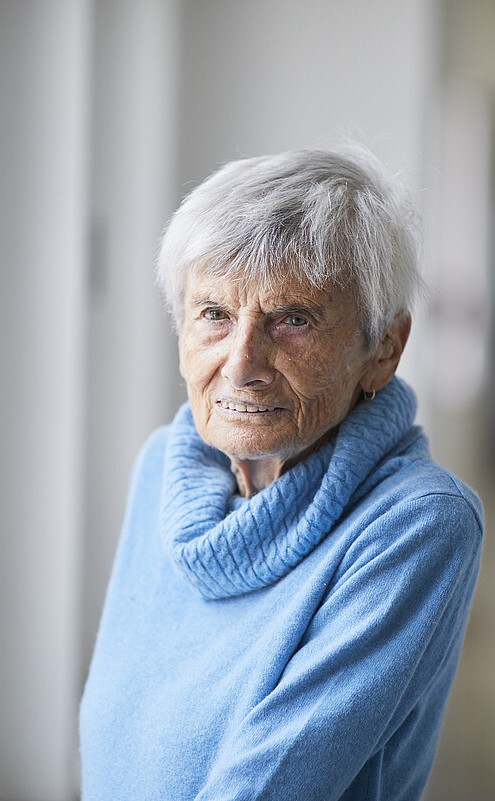
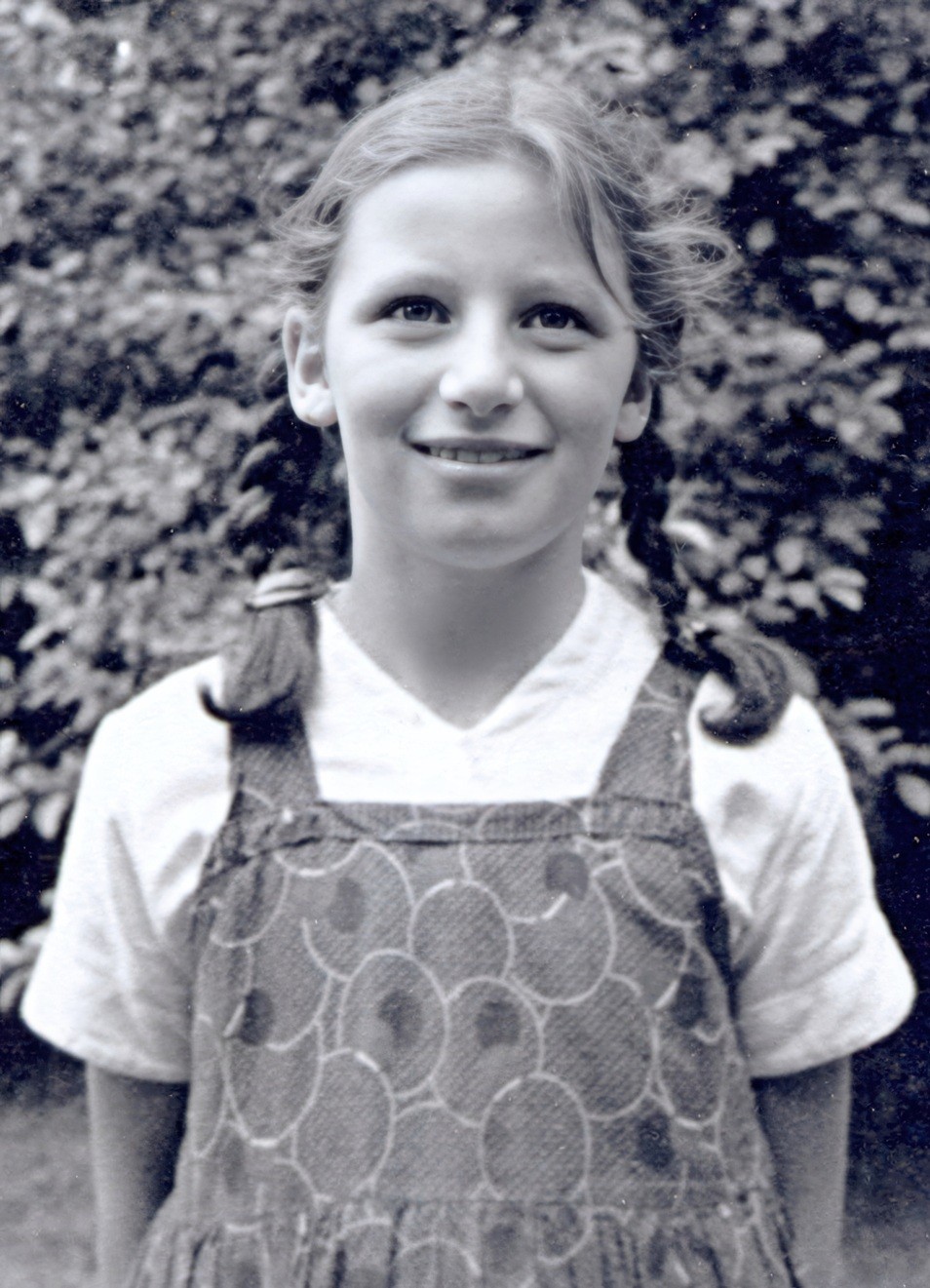
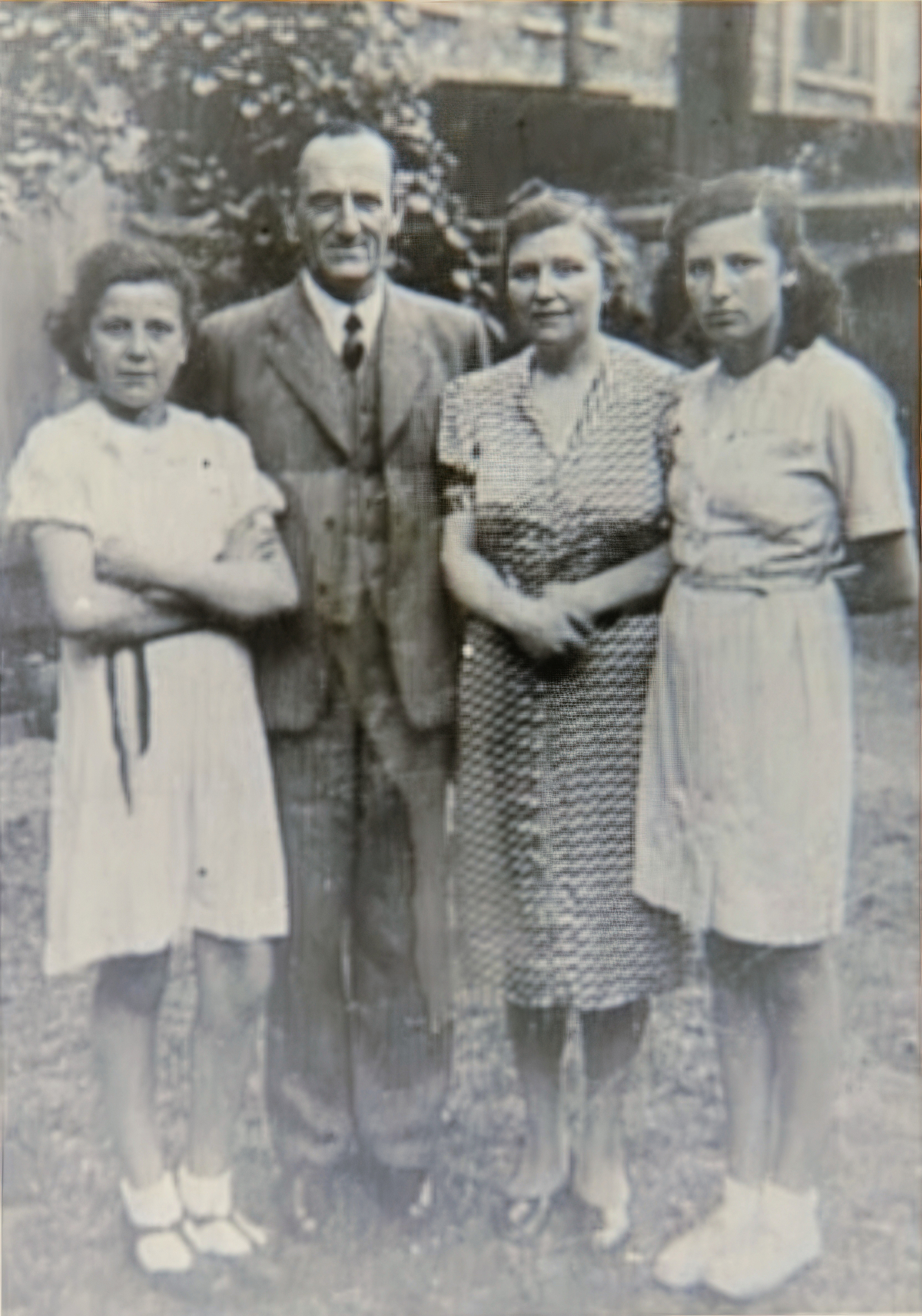
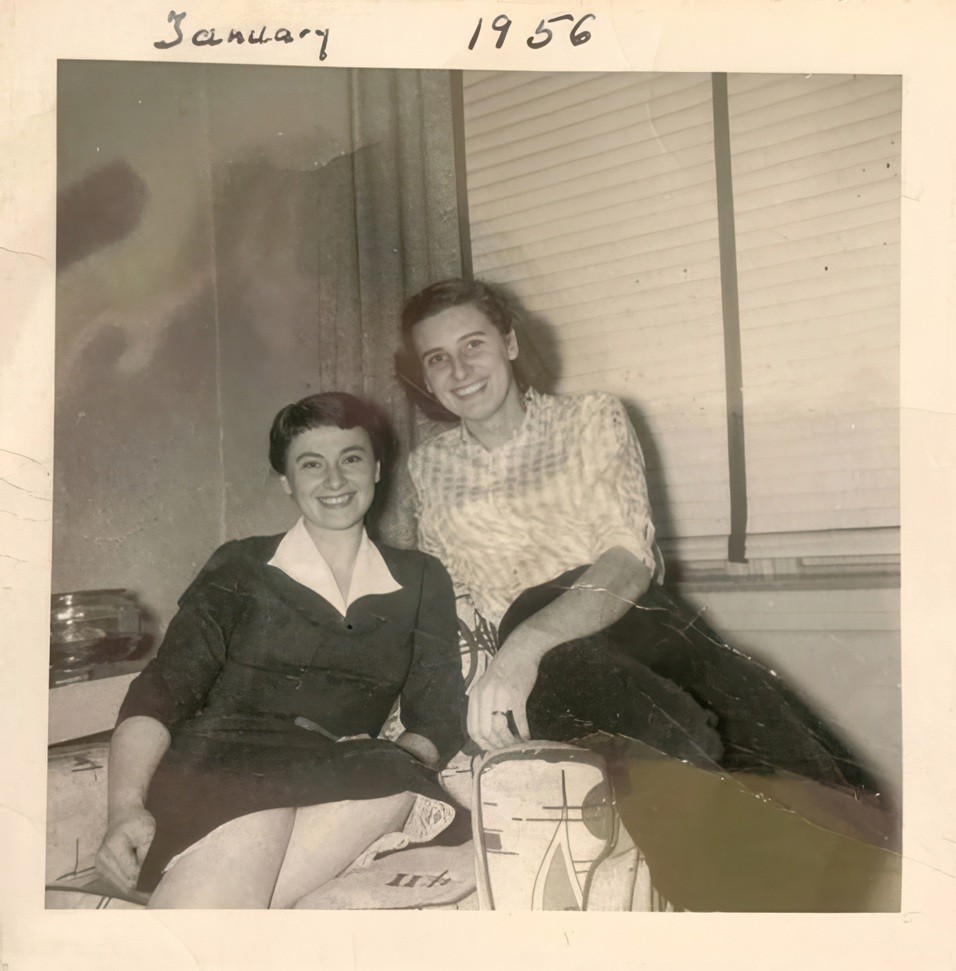
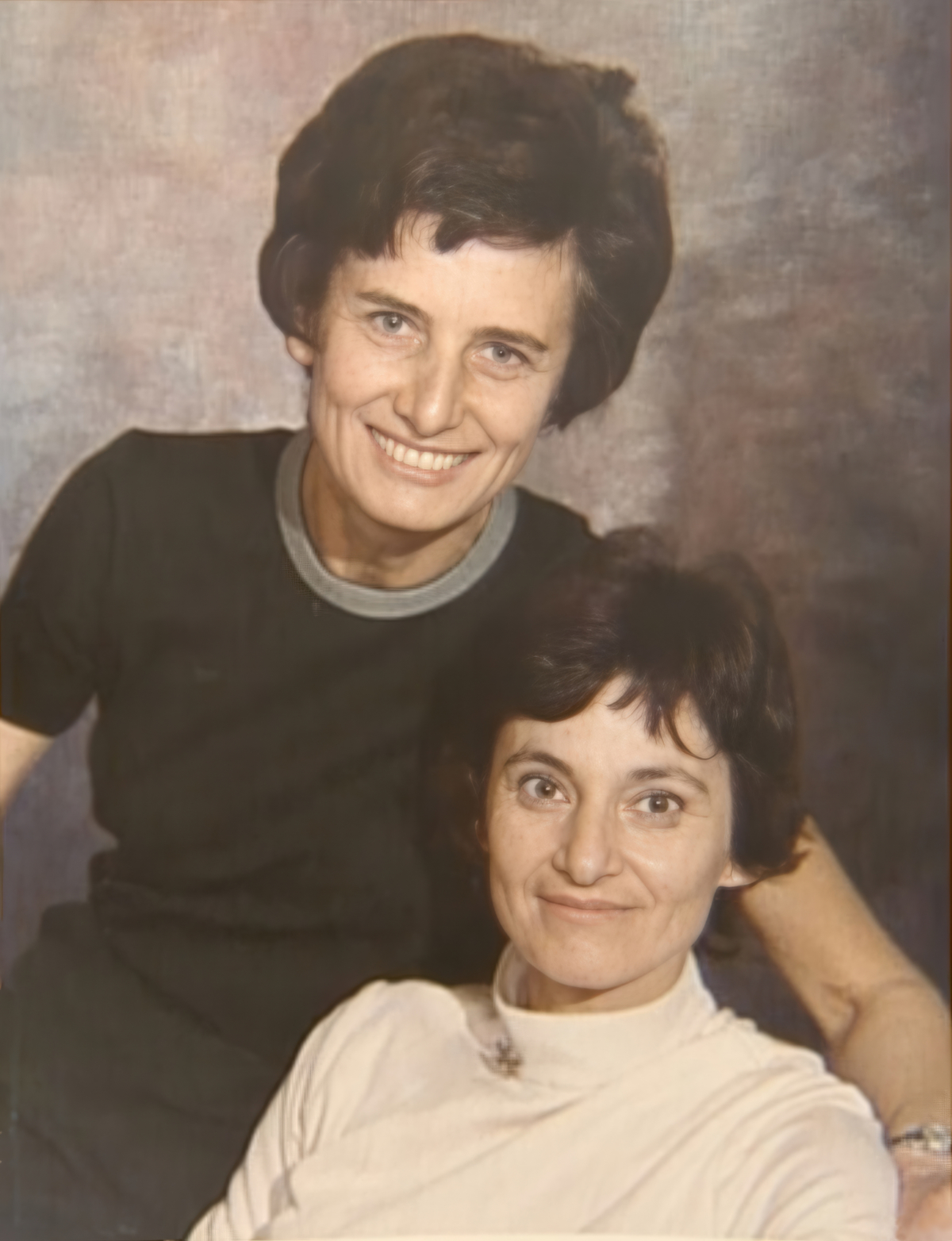
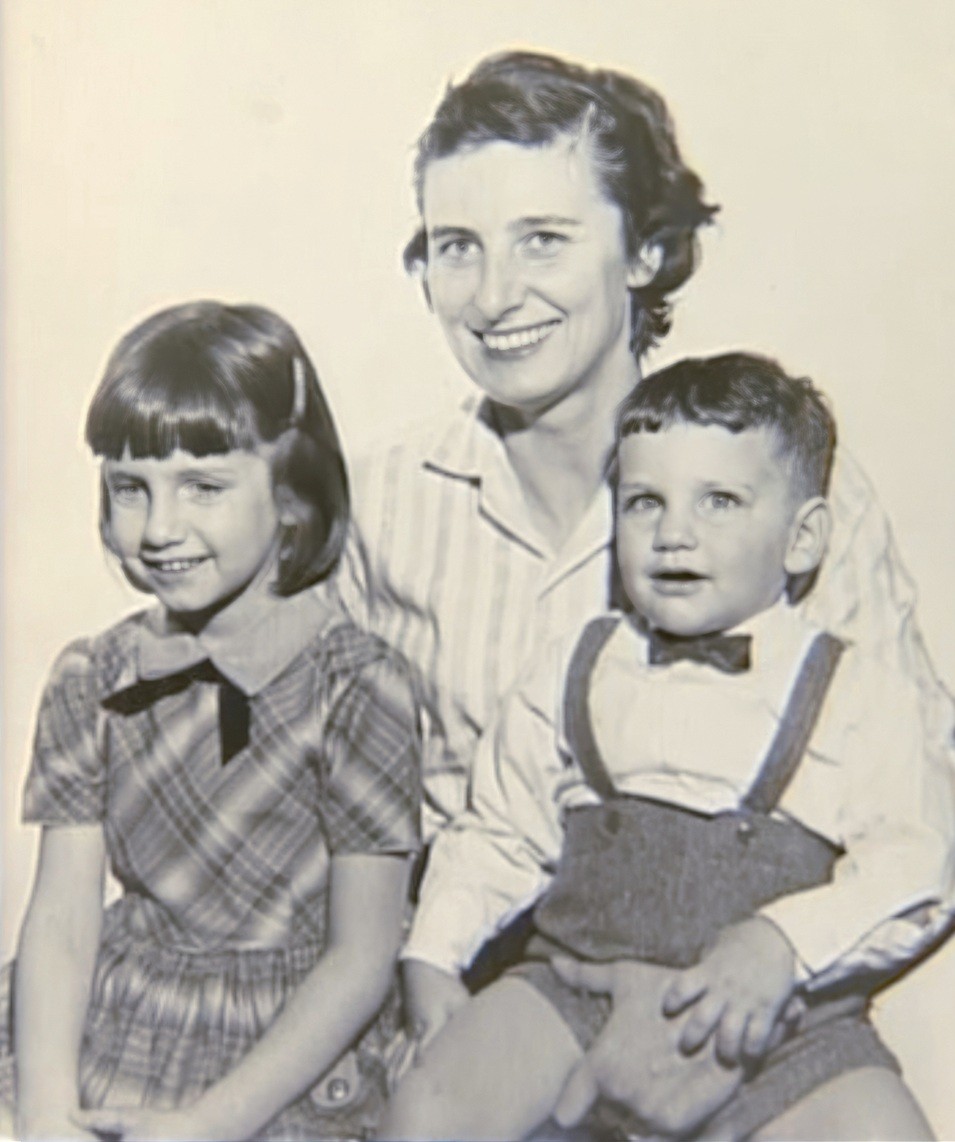
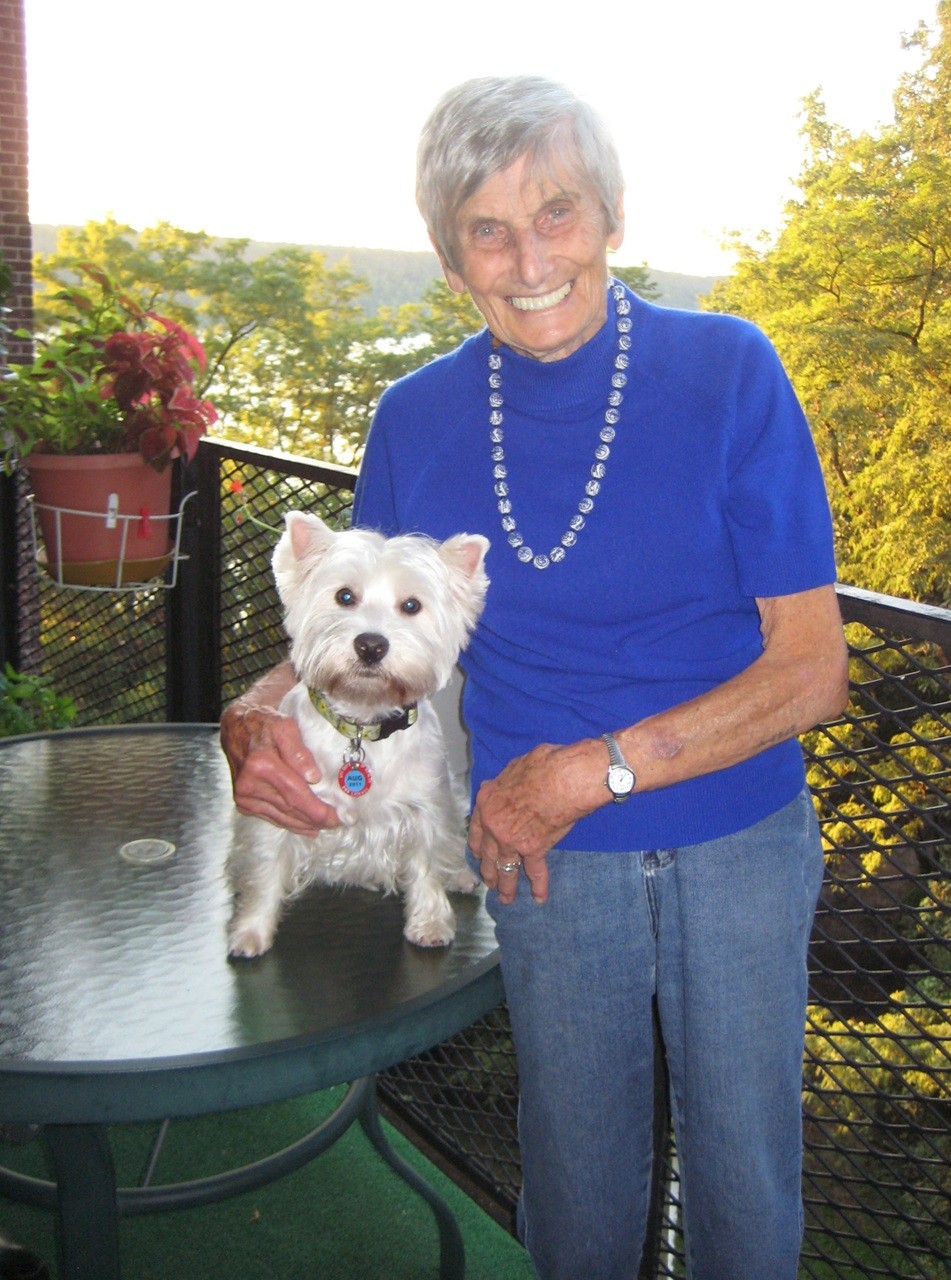
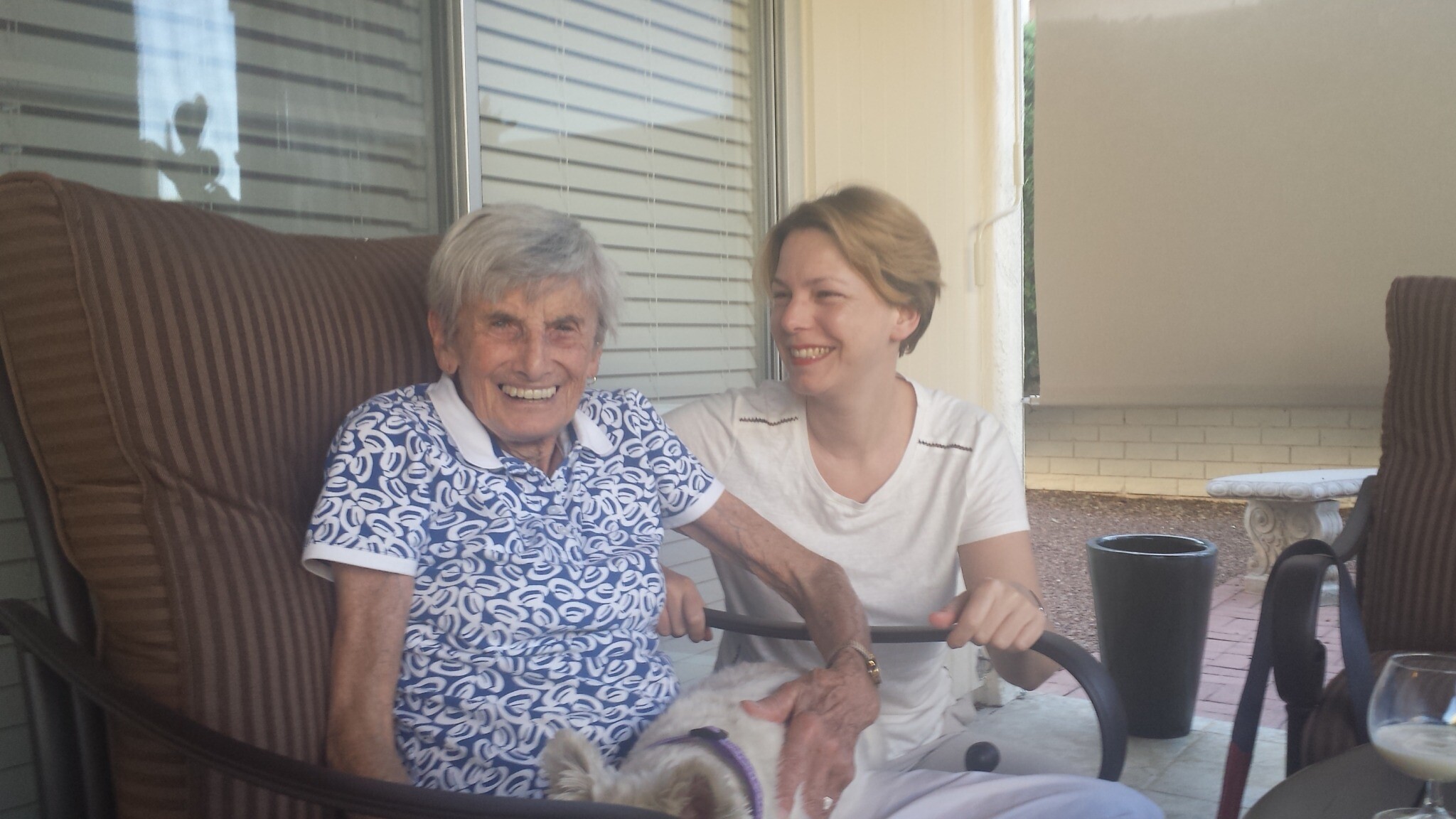
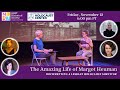
At the age of 10 years old in 1938, Margot Heuman’s life changed forever. That is when her and her younger sister Lore were expelled from their public school due to their Jewish identity. Heuman and her family were living in Lippstadt, Germany located in the Northwestern part of the country. Her parents enrolled them in a Jewish school where they got an education for the next four years. It was during this time at the Jewish school that Heuman realized she was a lesbian. Unlike most Jewish residents of their city who were sent to extermination camps, the Heuman’s were sent to the Theresienstadt Ghetto in Czechoslovakia in 1943 where both sisters were put in separate youth homes. In that youth home, Heuman met a Jewish Austrian girl named Dita Neumann with whom she fell in love and started an intimate relationship with. In 1944, the Heuman family was sent to Auschwitz Concentration Camp after her father was accused of stealing food. Upon arrival at Auschwitz, Heuman and Neumann went through the selection process for forced labor duty and they passed. The two 16-year-olds and Neumann’s aunt were sent to Neuengamme Concentration Camp in Hamburg, Germany to clean up the rubble and build shelters for German civilians. When Heuman left Auschwitz, that was the last time she saw her parents and sister who all died there. Heuman and Neumann managed to stay together through multiple moves within the subcamps of Neuengamme. They shared food and slept together in bed which made others uncomfortable; however, Neumann’s aunt defended their actions. When the Schutzstaffel shut Neuengamme down the prisoners were sent to Bergen-Belsen Concentration Camp. They were forced to walk the 62 miles in two days without any shoes on. Both young women survived. In an oral history recording for the United States Holocaust Museum in 1992, Heuman said, “Because of my caring for another human being we somehow never lost our dignity and remained people.” She is now known as the first queer Jewish woman Nazi concentration camp survivor, having officially come out in a 2018 interview with Dr. Anna Hájková. Heuman said later in her life that she first learned the word lesbian when she was in the camps when the women started to gossip about a woman guard’s relationship with one of their fellow women prisoners. After British soldiers freed Heuman and Neumann on April 15, 1945; Neumann was sent to England while the 76 pound Heuman was brought to Sweden by the Swedish Red Cross to recover from the starvation and typhus she had developed in the camps. Heuman remained in Sweden and lived with a schoolteacher and finished her schooling. Then in 1947, Heuman’s maternal uncle convinced her to visit New York City to bring the surviving family members together. Due to Heuman being able to live more freely as a lesbian in New York City, what had originally started as a yearlong visit turned into a permanent move to the United States (the moment she changed her last name from Heumann to Heuman) and later citizenship in 1952. She worked as a nanny, waitress and at a button factory. Heuman also became romantically involved with New Yorker copyeditor Lu Burke (who also helped her improve her English by reading the dictionary to her) and they lived together in the West Village. They also went to the lesbian bars in Greenwich Village. Wanting to further her education, she attended the City College of New York and worked in advertising at Doyle Dan Bernbach until she retired at age 60. Wanting to have children, Heuman broke up with Burke and married Charles Mendelson, an accountant, in 1952. Her two children, Jill and Dan, were not raised religious. While married, she had an affair with her next door neighbor, another married woman. Heuman’s husband was a gambling addict who abused her which prompted her to divorce him in 1976. Due to the horrific experiences Heuman faced due to the Holocaust, she had severe depression and to deal with it she went to a psychiatrist for many years. During interviews with Holocaust archives she spoke about her lesbian identity but they kept that fact hidden and described her relationship with Neumann as them being best friends. Although they were separated by thousands of miles after being freed from Bergen-Belsen, Heuman and Neumann (who did not identify as queer) stayed friends their entire lives until Neumann died of cancer in 2011. When Heuman turned 88, she moved to Arizona and officially came out to her unsurprised family members who immediately accepted her lesbian identity. Heuman visited the Neuengamme Concentration Camp Memorial in 2019 and was interviewed by schoolchildren there about her experiences. She died May 11, 2022, in Arizona at the age of 94. A one-act play, “The Amazing Life of Margot Heuman,” about Heuman’s life was produced by Hájková and Holocaust-focused University of Portsmouth in Hampshire, England theater director Erika Hughes. Hájková is also in the process of finishing a book where Heuman’s story will be featured alongside three other queer Holocaust survivors called, “Quartet: Sexuality, Queer Desire, and the Holocaust.”
1928 - 2022
Well, things really began to change with Kristallnacht … And then I was aware of that it wasn’t so nifty to be a Jew in Germany.
- Margot Heuman in a 1994 USC Shoah Foundation: The Institute for Visual History and Education interview
At the age of 10 years old in 1938, Margot Heuman’s life changed forever. That is when her and her younger sister Lore were expelled from their public school due to their Jewish identity. Heuman and her family were living in Lippstadt, Germany located in the Northwestern part of the country. Her parents enrolled them in a Jewish school where they got an education for the next four years. It was during this time at the Jewish school that Heuman realized she was a lesbian. Unlike most Jewish residents of their city who were sent to extermination camps, the Heuman’s were sent to the Theresienstadt Ghetto in Czechoslovakia in 1943 where both sisters were put in separate youth homes. In that youth home, Heuman met a Jewish Austrian girl named Dita Neumann with whom she fell in love and started an intimate relationship with. In 1944, the Heuman family was sent to Auschwitz Concentration Camp after her father was accused of stealing food. Upon arrival at Auschwitz, Heuman and Neumann went through the selection process for forced labor duty and they passed. The two 16-year-olds and Neumann’s aunt were sent to Neuengamme Concentration Camp in Hamburg, Germany to clean up the rubble and build shelters for German civilians. When Heuman left Auschwitz, that was the last time she saw her parents and sister who all died there. Heuman and Neumann managed to stay together through multiple moves within the subcamps of Neuengamme. They shared food and slept together in bed which made others uncomfortable; however, Neumann’s aunt defended their actions. When the Schutzstaffel shut Neuengamme down the prisoners were sent to Bergen-Belsen Concentration Camp. They were forced to walk the 62 miles in two days without any shoes on. Both young women survived. In an oral history recording for the United States Holocaust Museum in 1992, Heuman said, “Because of my caring for another human being we somehow never lost our dignity and remained people.” She is now known as the first queer Jewish woman Nazi concentration camp survivor, having officially come out in a 2018 interview with Dr. Anna Hájková. Heuman said later in her life that she first learned the word lesbian when she was in the camps when the women started to gossip about a woman guard’s relationship with one of their fellow women prisoners. After British soldiers freed Heuman and Neumann on April 15, 1945; Neumann was sent to England while the 76 pound Heuman was brought to Sweden by the Swedish Red Cross to recover from the starvation and typhus she had developed in the camps. Heuman remained in Sweden and lived with a schoolteacher and finished her schooling. Then in 1947, Heuman’s maternal uncle convinced her to visit New York City to bring the surviving family members together. Due to Heuman being able to live more freely as a lesbian in New York City, what had originally started as a yearlong visit turned into a permanent move to the United States (the moment she changed her last name from Heumann to Heuman) and later citizenship in 1952. She worked as a nanny, waitress and at a button factory. Heuman also became romantically involved with New Yorker copyeditor Lu Burke (who also helped her improve her English by reading the dictionary to her) and they lived together in the West Village. They also went to the lesbian bars in Greenwich Village. Wanting to further her education, she attended the City College of New York and worked in advertising at Doyle Dan Bernbach until she retired at age 60. Wanting to have children, Heuman broke up with Burke and married Charles Mendelson, an accountant, in 1952. Her two children, Jill and Dan, were not raised religious. While married, she had an affair with her next door neighbor, another married woman. Heuman’s husband was a gambling addict who abused her which prompted her to divorce him in 1976. Due to the horrific experiences Heuman faced due to the Holocaust, she had severe depression and to deal with it she went to a psychiatrist for many years. During interviews with Holocaust archives she spoke about her lesbian identity but they kept that fact hidden and described her relationship with Neumann as them being best friends. Although they were separated by thousands of miles after being freed from Bergen-Belsen, Heuman and Neumann (who did not identify as queer) stayed friends their entire lives until Neumann died of cancer in 2011. When Heuman turned 88, she moved to Arizona and officially came out to her unsurprised family members who immediately accepted her lesbian identity. Heuman visited the Neuengamme Concentration Camp Memorial in 2019 and was interviewed by schoolchildren there about her experiences. She died May 11, 2022, in Arizona at the age of 94. A one-act play, “The Amazing Life of Margot Heuman,” about Heuman’s life was produced by Hájková and Holocaust-focused University of Portsmouth in Hampshire, England theater director Erika Hughes. Hájková is also in the process of finishing a book where Heuman’s story will be featured alongside three other queer Holocaust survivors called, “Quartet: Sexuality, Queer Desire, and the Holocaust.”
Demography
Demography
Gender Female
Sexual Orientation Lesbian
Gender Identity Cisgender
Ethnicity Caucasian/White Jewish
Faith Construct Judaic
Nations Affiliated Germany United States
Era/Epoch Cold War (1945-1991) Great Depression (1929-1939) Information Age (1970-present) Interwar Period (1918-1939) World War II (1939-1945)
Field(s) of Contribution
Advocacy & Activism
Holocaust/Genocide
Media & Communications
Social Justice
Social Sciences
US History
World History
Demography
Gender Female
Sexual Orientation Lesbian
Gender Identity Cisgender
Ethnicity Caucasian/White Jewish
Faith Construct Judaic
Nations Affiliated Germany United States
Era/Epoch Cold War (1945-1991) Great Depression (1929-1939) Information Age (1970-present) Interwar Period (1918-1939) World War II (1939-1945)
Field(s) of Contribution
Advocacy & Activism
Holocaust/Genocide
Media & Communications
Social Justice
Social Sciences
US History
World History
Resources
Resources




Hájková, Anna (translated by Jones, William Ross). People without History are Dust: Queer Desire in the Holocaust. Toronto: University of Toronto Press, 2025.
https://www.nytimes.com/2022/05/27/world/europe/margot-heuman-dead.html
https://encyclopedia.ushmm.org/content/en/id-card/margot-heumann
https://collections.ushmm.org/search/catalog/irn509136
https://collections.ushmm.org/search/catalog/bib265554
https://sfi.usc.edu/video/margot-heuman
https://www.thepinknews.com/2022/05/30/margot-heuman-holocaust-survivor-dead-gay/
https://www.thetimes.com/uk/obituaries/article/margot-heuman-obituary-9fdm8h3hr
Resources
Hájková, Anna (translated by Jones, William Ross). People without History are Dust: Queer Desire in the Holocaust. Toronto: University of Toronto Press, 2025.
https://www.nytimes.com/2022/05/27/world/europe/margot-heuman-dead.html
https://encyclopedia.ushmm.org/content/en/id-card/margot-heumann
https://collections.ushmm.org/search/catalog/irn509136
https://collections.ushmm.org/search/catalog/bib265554
https://sfi.usc.edu/video/margot-heuman
https://www.thepinknews.com/2022/05/30/margot-heuman-holocaust-survivor-dead-gay/
https://www.thetimes.com/uk/obituaries/article/margot-heuman-obituary-9fdm8h3hr