
Biography
1892 - 1966
“Dora Richter should be remembered not only as the first transgender person to undergo modern gender reconstruction surgery but should be seen as a symbol of our resistance. Against seemingly insurmountable odds, she survived. After everything.”
- Journalist Gwendolyn Smith in a June 2024 Philadelphia Gay News article about Richter
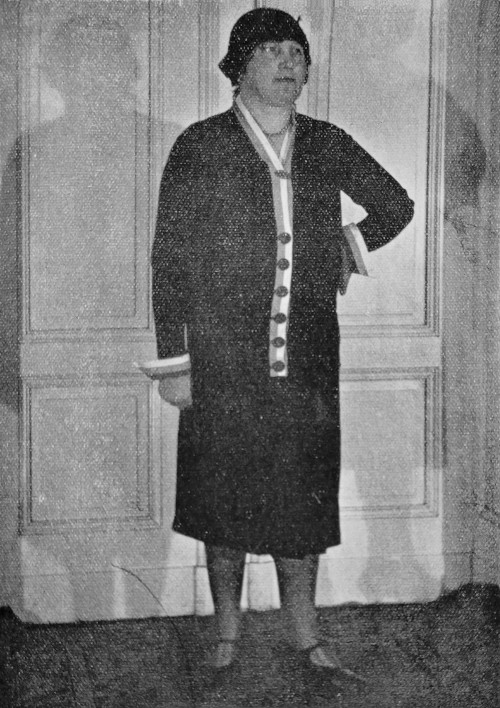
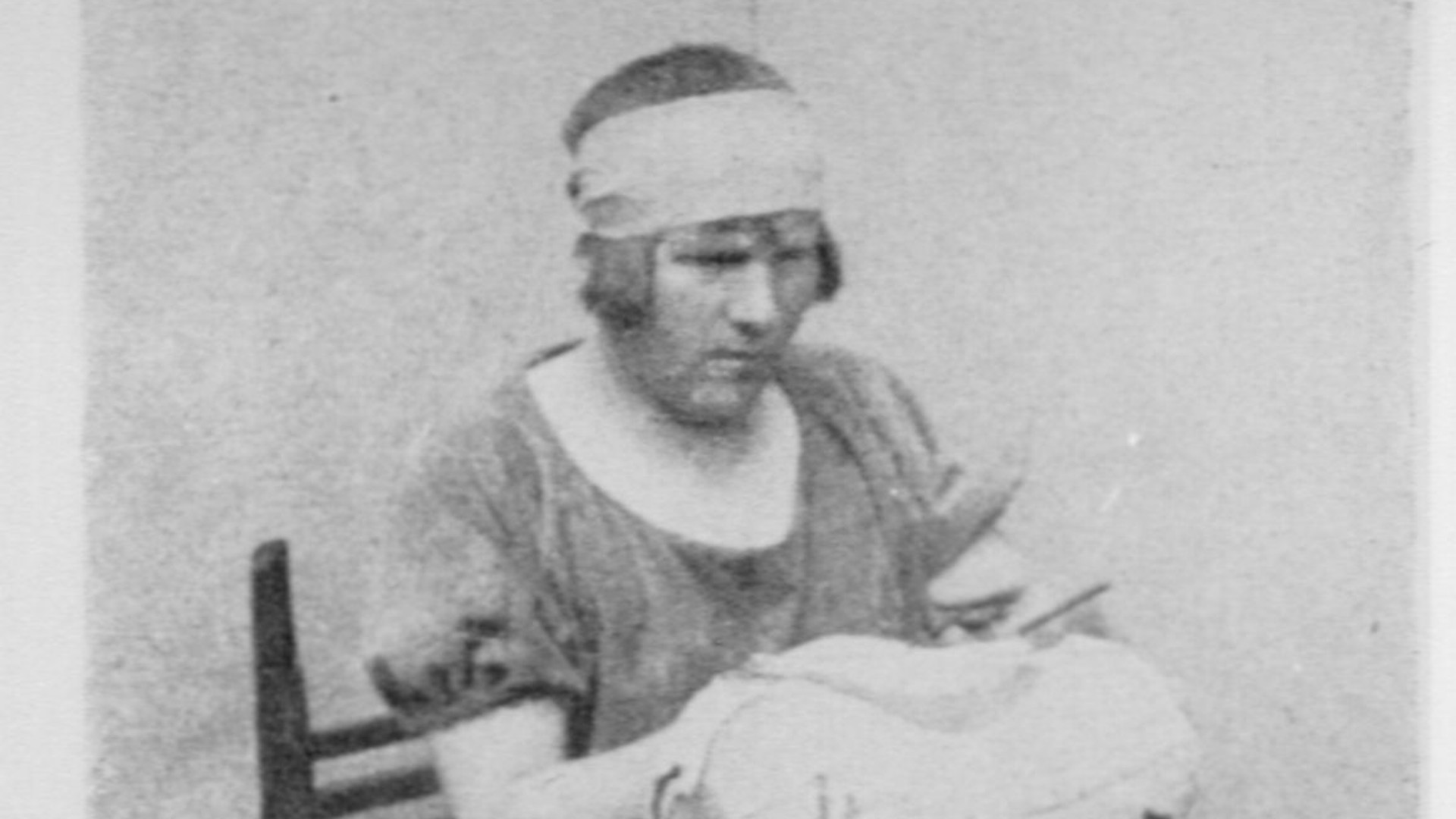
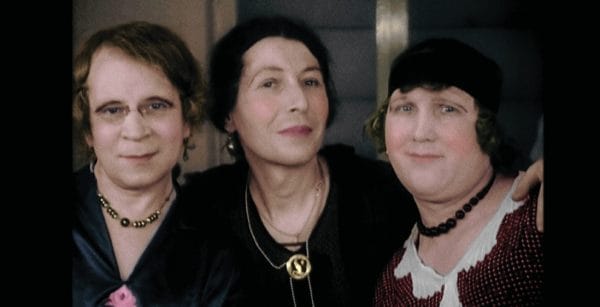
Dora Rudolfine Richter, who was assigned male at birth, was born in 1892 on the border of Germany and what was then knows as Czechoslovakia into a poor farming family. From an early age, Richter gravitated toward feminine things. At age six she tried to remove her penis with a tourniquet and then at age 13 she swallowed nails in an attempt to die by suicide. A few years later, Richter became a baker’s apprentice and later a wandering theater troupe member. She was drafted into the army in 1916 but only lasted two weeks before being discharged. After those endeavors, Richter moved to Berlin where she worked in the summers as a male-presenting waiter or cook at high-class hotels and in the remaining months lived as a woman. She was arrested sporadically for the ‘crime’ of cross-dressing, convicted of that “crime” and put in a men’s prison. Richter got lucky with an understanding judge who released her into gay Jewish Dr. Magnus Hirschfeld’s care at the newly opened Institut für Sexualwissenschaft (Institute for Sexual Science) in Berlin. Due to Hirschfeld’s persuasive efforts, she was given special permission by the Berlin police to wear women’s clothes. Hirschfeld also gave Richter a housekeeper’s job at the Institute which she held for over 10 years. Due to that judge’s actions, Richter also became the first known person to receive complete male-to-female gender-affirming surgery (in 1922 when her testicles were removed and 1931 when she underwent a penectomy and then vaginoplasty to construct her vagina) in recorded human history. There are records that show Richter also worked as a chef at Restaurant Kempinski in early 1931. Also in 1931, psychiatrist Felix Abraham, who worked at the Institute, wrote and published a paper about Richter and another transgender woman Toni Elbe’s gender-affirming surgeries in the Zeitschrift für Sexualwissenschaft und Sexualpolitik. Abraham in writing about Richter said, “Her castration had the effect – albeit not very extensive—of making her body become fuller, restricting her beard growth, making visible the first signs of breast development, and giving the pelvic fat pad... a more feminine shape.” Richter, Elbe and a third transgender woman (all of whom were Institute patients) appeared together in director Lothar Golte and Carl Kurzmayer’s 1933 Austrian film about sex and gender Mysterium des Geschlechtes (Mystery of Gender). When the Institute was ransacked and Hirschfeld’s (who was out of the country at the time) records were seized by right-wing students and SS officers under the orders of Adolf Hitler in May 1933, four months after he took power in Germany, people thought Richter was arrested and died while in custody because she was never heard from after that night of terror. Decades later in 2023, researcher Clara Hartmann and others found evidence that Richter had escaped and moved back to her birthplace of Seifen which was a part of then Czechoslovakia. Richter became a lacemaker in Seifen where she lived until all Germans were expelled from that country in 1946. She moved to Nuremberg and later Allersberg, Germany where she lived for the rest of her life. Richter’s Czechoslovakia baptismal certificate was changed to reflect her chosen name in January 1946, just before she was expelled from that country. Her chosen name was preserved in all documentation about her life after World War II. In addition to her lacemaking job, she tended to her flowers and kept pet birds. Hartmann interviewed older Allersberg residents who remembered her as a cheerful old woman who walked around with a pigeon in her handbag. Richter never wanted to be famous, she just wanted to live a quiet and full life as an ordinary woman. She died at age 74 in 1966 and was buried in an unmarked grave in an Allersberg cemetery that Hartmann discovered in 2024.
1892 - 1966
“Dora Richter should be remembered not only as the first transgender person to undergo modern gender reconstruction surgery but should be seen as a symbol of our resistance. Against seemingly insurmountable odds, she survived. After everything.”
- Journalist Gwendolyn Smith in a June 2024 Philadelphia Gay News article about Richter
Dora Rudolfine Richter, who was assigned male at birth, was born in 1892 on the border of Germany and what was then knows as Czechoslovakia into a poor farming family. From an early age, Richter gravitated toward feminine things. At age six she tried to remove her penis with a tourniquet and then at age 13 she swallowed nails in an attempt to die by suicide. A few years later, Richter became a baker’s apprentice and later a wandering theater troupe member. She was drafted into the army in 1916 but only lasted two weeks before being discharged. After those endeavors, Richter moved to Berlin where she worked in the summers as a male-presenting waiter or cook at high-class hotels and in the remaining months lived as a woman. She was arrested sporadically for the ‘crime’ of cross-dressing, convicted of that “crime” and put in a men’s prison. Richter got lucky with an understanding judge who released her into gay Jewish Dr. Magnus Hirschfeld’s care at the newly opened Institut für Sexualwissenschaft (Institute for Sexual Science) in Berlin. Due to Hirschfeld’s persuasive efforts, she was given special permission by the Berlin police to wear women’s clothes. Hirschfeld also gave Richter a housekeeper’s job at the Institute which she held for over 10 years. Due to that judge’s actions, Richter also became the first known person to receive complete male-to-female gender-affirming surgery (in 1922 when her testicles were removed and 1931 when she underwent a penectomy and then vaginoplasty to construct her vagina) in recorded human history. There are records that show Richter also worked as a chef at Restaurant Kempinski in early 1931. Also in 1931, psychiatrist Felix Abraham, who worked at the Institute, wrote and published a paper about Richter and another transgender woman Toni Elbe’s gender-affirming surgeries in the Zeitschrift für Sexualwissenschaft und Sexualpolitik. Abraham in writing about Richter said, “Her castration had the effect – albeit not very extensive—of making her body become fuller, restricting her beard growth, making visible the first signs of breast development, and giving the pelvic fat pad... a more feminine shape.” Richter, Elbe and a third transgender woman (all of whom were Institute patients) appeared together in director Lothar Golte and Carl Kurzmayer’s 1933 Austrian film about sex and gender Mysterium des Geschlechtes (Mystery of Gender). When the Institute was ransacked and Hirschfeld’s (who was out of the country at the time) records were seized by right-wing students and SS officers under the orders of Adolf Hitler in May 1933, four months after he took power in Germany, people thought Richter was arrested and died while in custody because she was never heard from after that night of terror. Decades later in 2023, researcher Clara Hartmann and others found evidence that Richter had escaped and moved back to her birthplace of Seifen which was a part of then Czechoslovakia. Richter became a lacemaker in Seifen where she lived until all Germans were expelled from that country in 1946. She moved to Nuremberg and later Allersberg, Germany where she lived for the rest of her life. Richter’s Czechoslovakia baptismal certificate was changed to reflect her chosen name in January 1946, just before she was expelled from that country. Her chosen name was preserved in all documentation about her life after World War II. In addition to her lacemaking job, she tended to her flowers and kept pet birds. Hartmann interviewed older Allersberg residents who remembered her as a cheerful old woman who walked around with a pigeon in her handbag. Richter never wanted to be famous, she just wanted to live a quiet and full life as an ordinary woman. She died at age 74 in 1966 and was buried in an unmarked grave in an Allersberg cemetery that Hartmann discovered in 2024.
Demography
Demography
Gender Female
Sexual Orientation Unknown
Gender Identity Transgender
Ethnicity Caucasian/White
Faith Construct Catholic
Nations Affiliated Czechia Germany
Era/Epoch Great Depression (1929-1939) Interwar Period (1918-1939) Progressive Era (1890-1920) World War II (1939-1945)
Field(s) of Contribution
Culinary Arts
Social Justice
Theater
World History
Demography
Gender Female
Sexual Orientation Unknown
Gender Identity Transgender
Ethnicity Caucasian/White
Faith Construct Catholic
Nations Affiliated Czechia Germany
Era/Epoch Great Depression (1929-1939) Interwar Period (1918-1939) Progressive Era (1890-1920) World War II (1939-1945)
Field(s) of Contribution
Culinary Arts
Social Justice
Theater
World History
Resources
Resources

Schillace, Brandy. The Intermediaries: A Weimar Story. New York: W. W. Norton & Company, 2025.
https://www.them.us/story/dora-richter-first-trans-woman-to-receive-gender-affirming-surgery
https://epgn.com/2024/06/25/dora-richter-lived/
https://protomag.com/medical-history/a-rose-for-dora-richter/
https://pubmed.ncbi.nlm.nih.gov/39097423/
https://getplume.co/blog/trans-history-spotlight-bottom-surgery-dora-rudolfine-richter/
https://global.museum-digital.org/people/274869
https://onlys.ky/remembering-dora-richter-and-what-it-means-to-survive-2/
Resources
Schillace, Brandy. The Intermediaries: A Weimar Story. New York: W. W. Norton & Company, 2025.
https://www.them.us/story/dora-richter-first-trans-woman-to-receive-gender-affirming-surgery
https://epgn.com/2024/06/25/dora-richter-lived/
https://protomag.com/medical-history/a-rose-for-dora-richter/
https://pubmed.ncbi.nlm.nih.gov/39097423/
https://getplume.co/blog/trans-history-spotlight-bottom-surgery-dora-rudolfine-richter/
https://global.museum-digital.org/people/274869
https://onlys.ky/remembering-dora-richter-and-what-it-means-to-survive-2/