Biography
1928 - 2012
"It's like I'm a receptacle, a repository for all the people I love. All I can do with them is keep them."
- Maurice Sendak
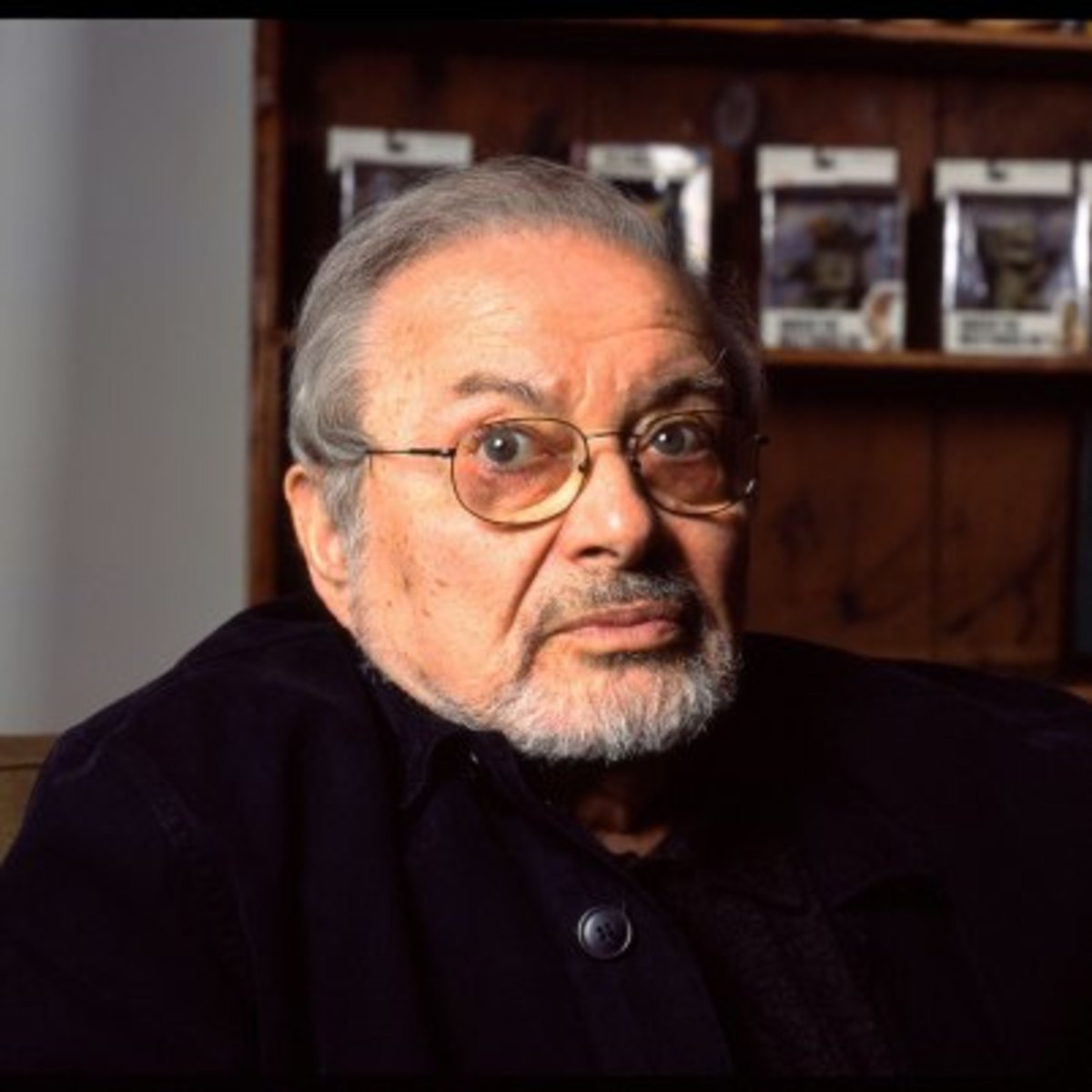
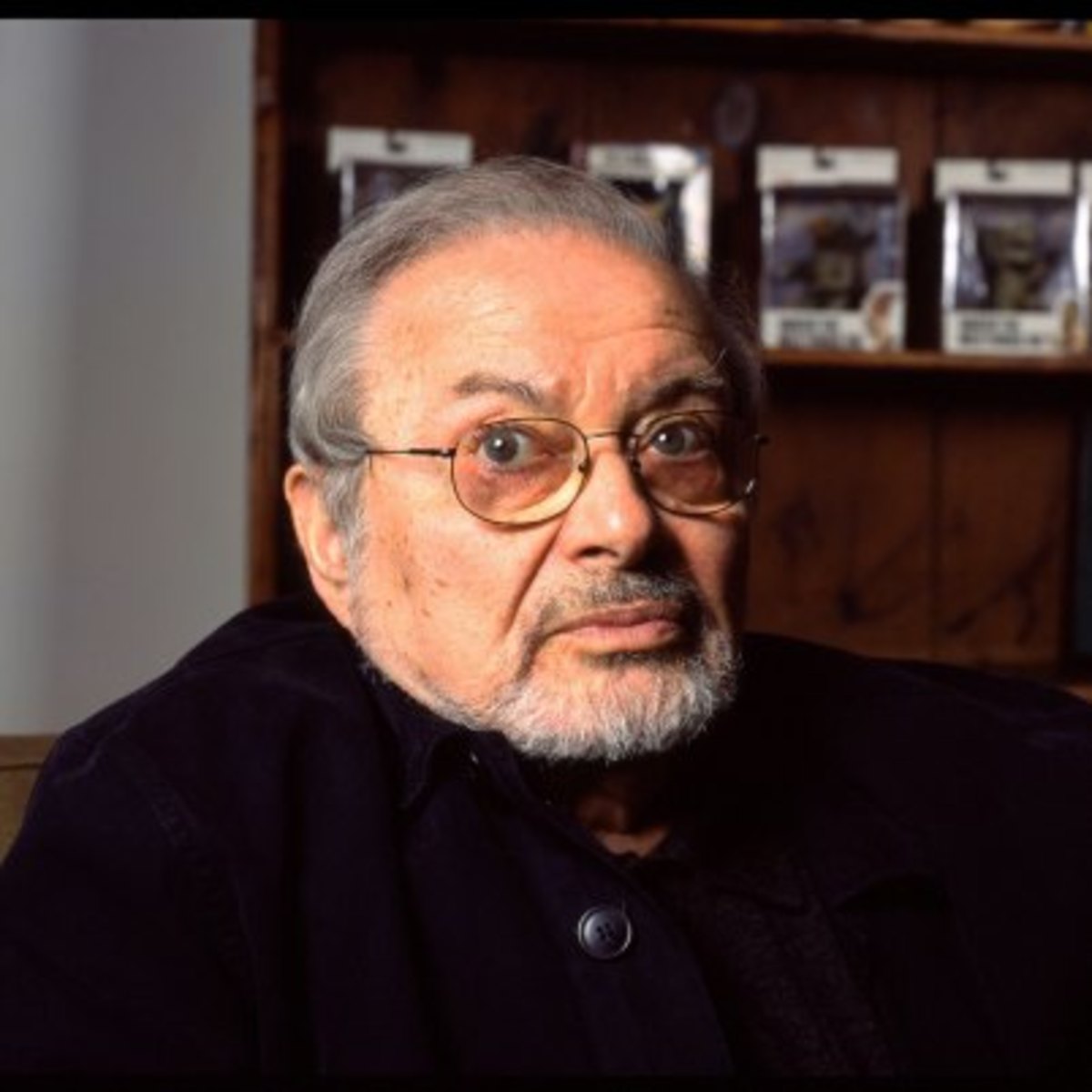
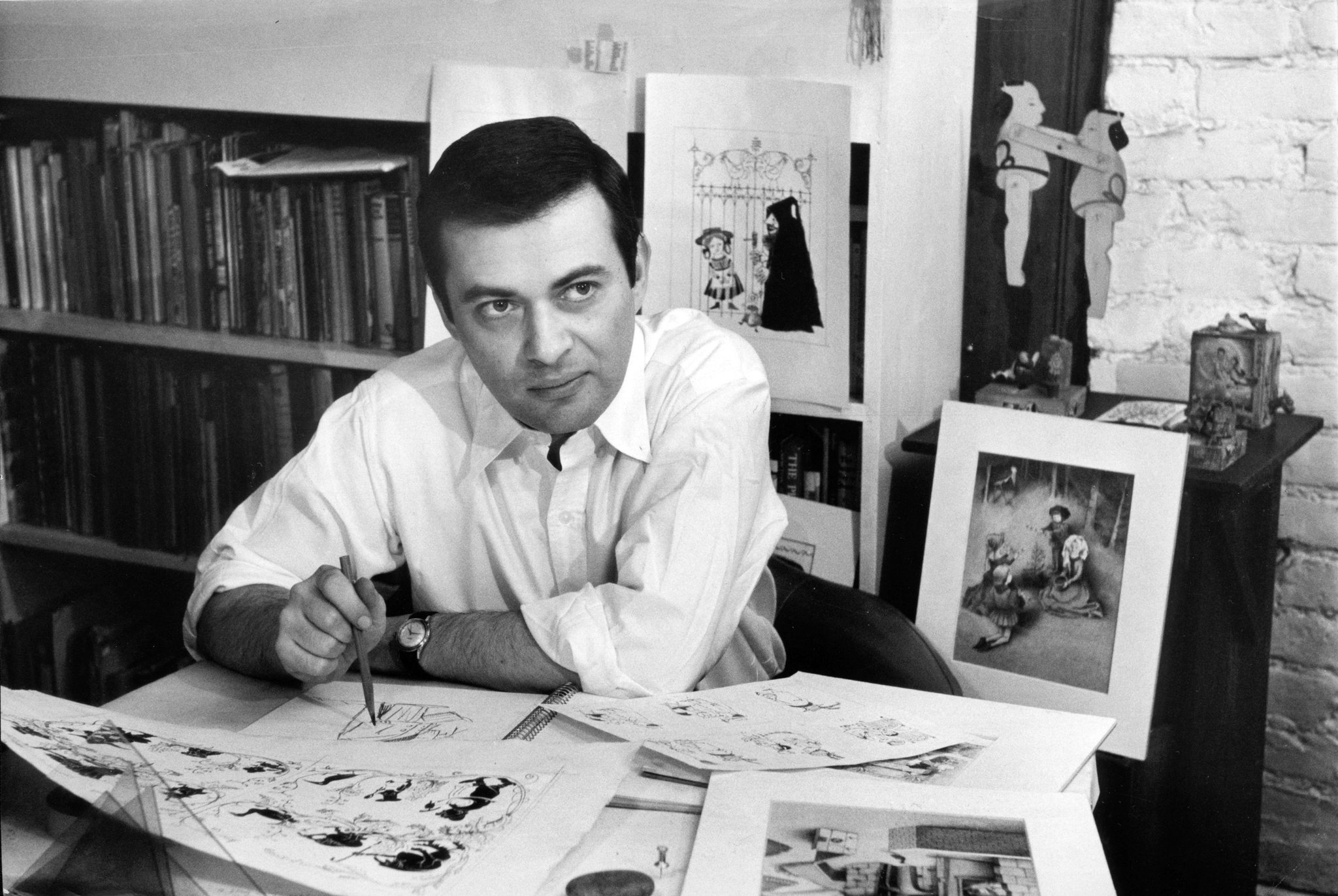
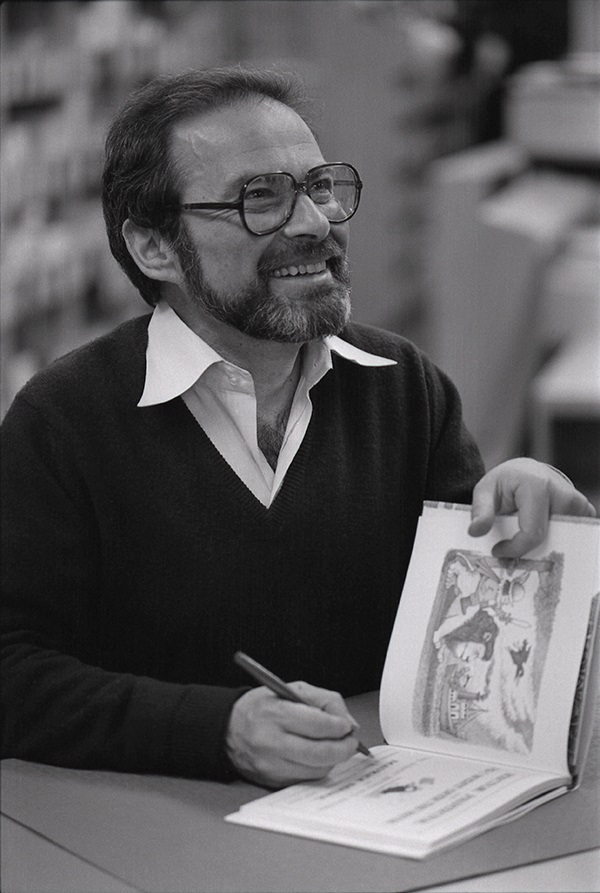
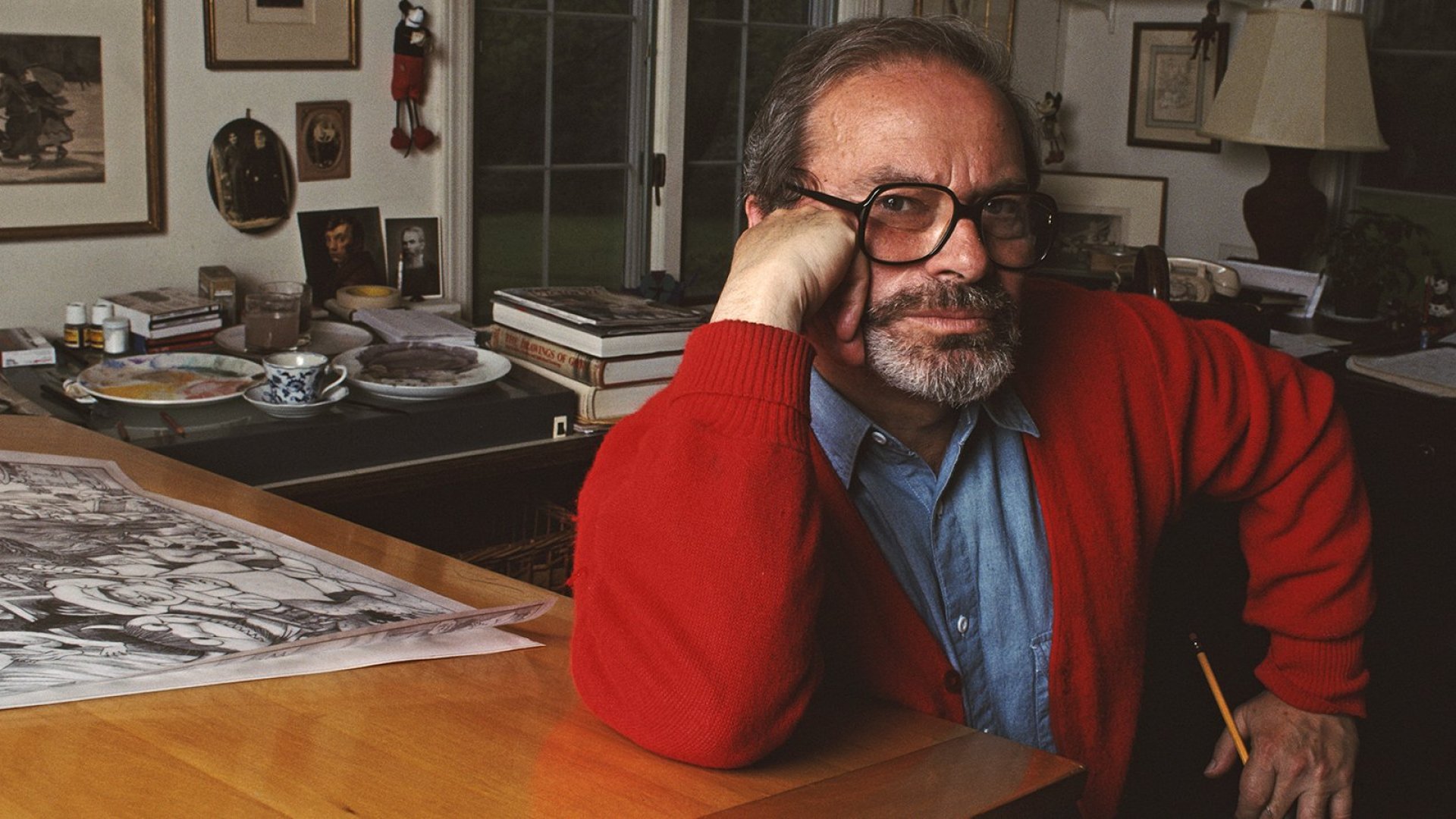
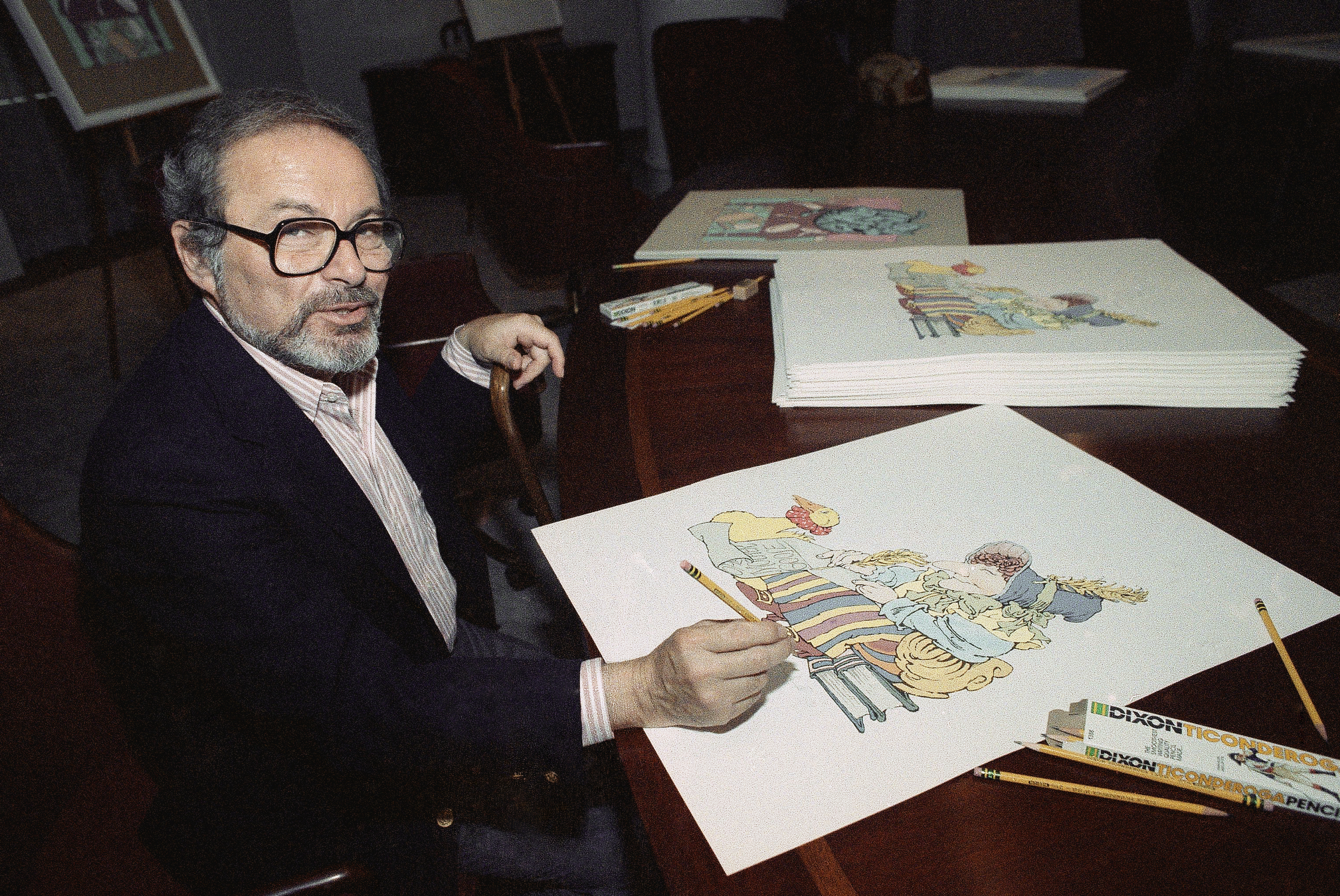
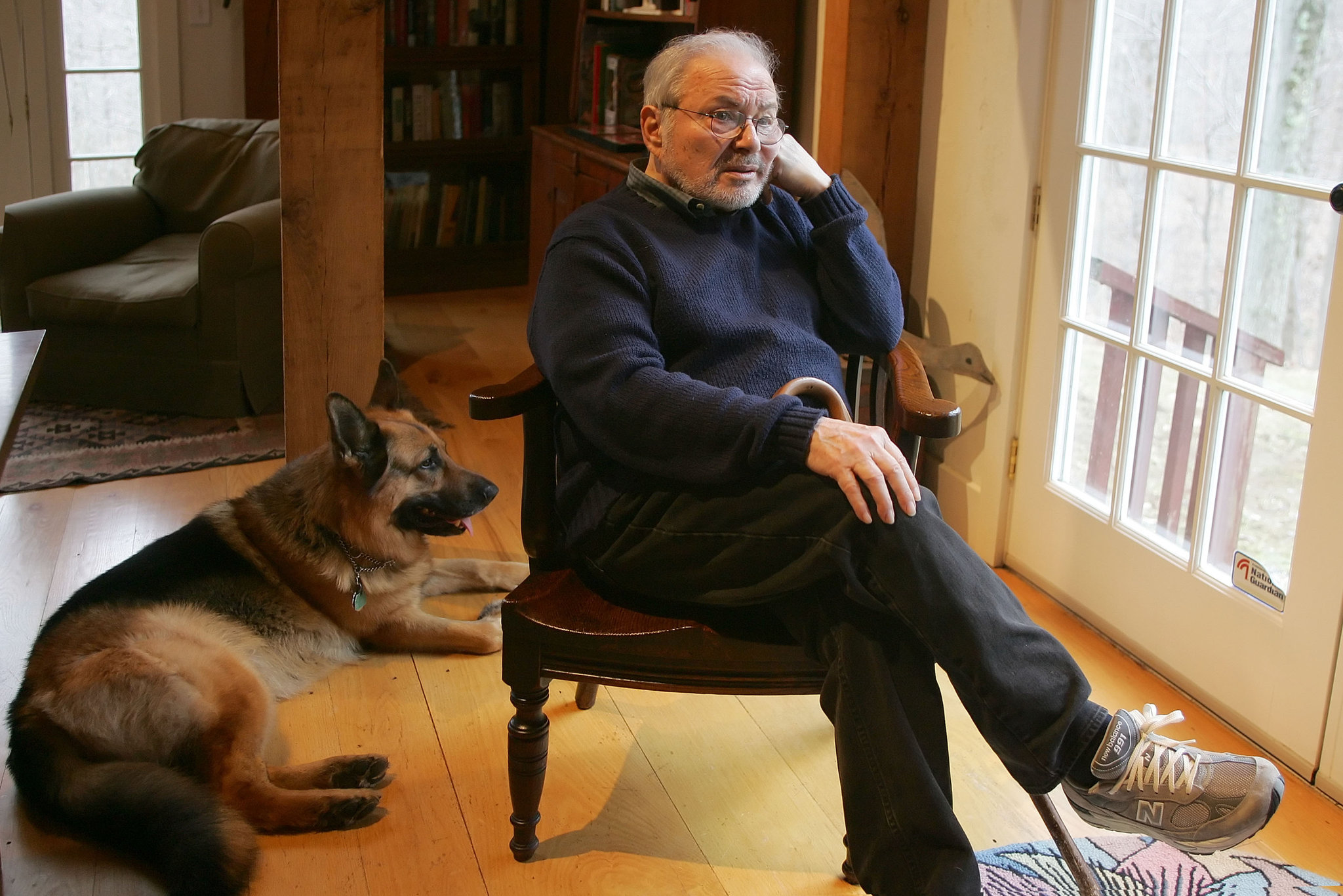
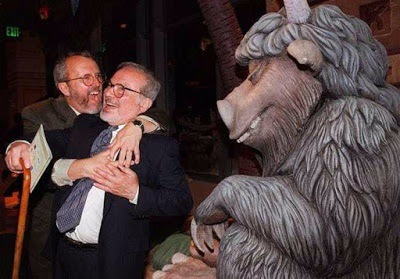
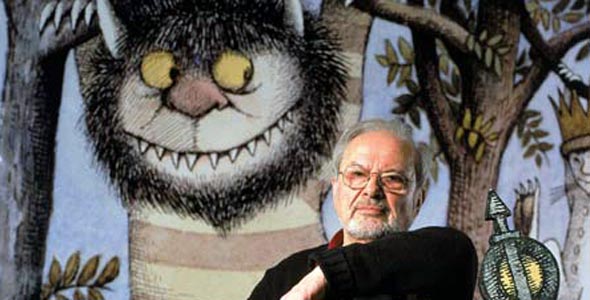
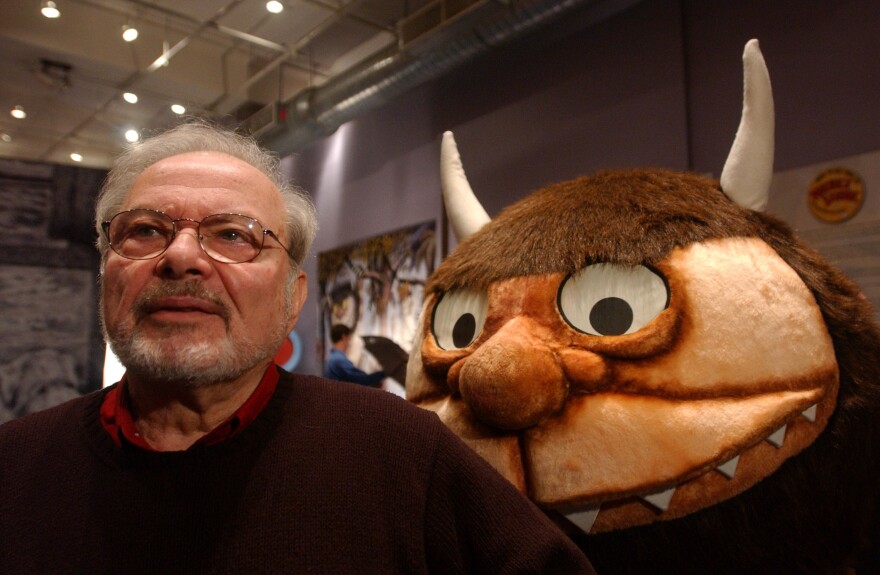
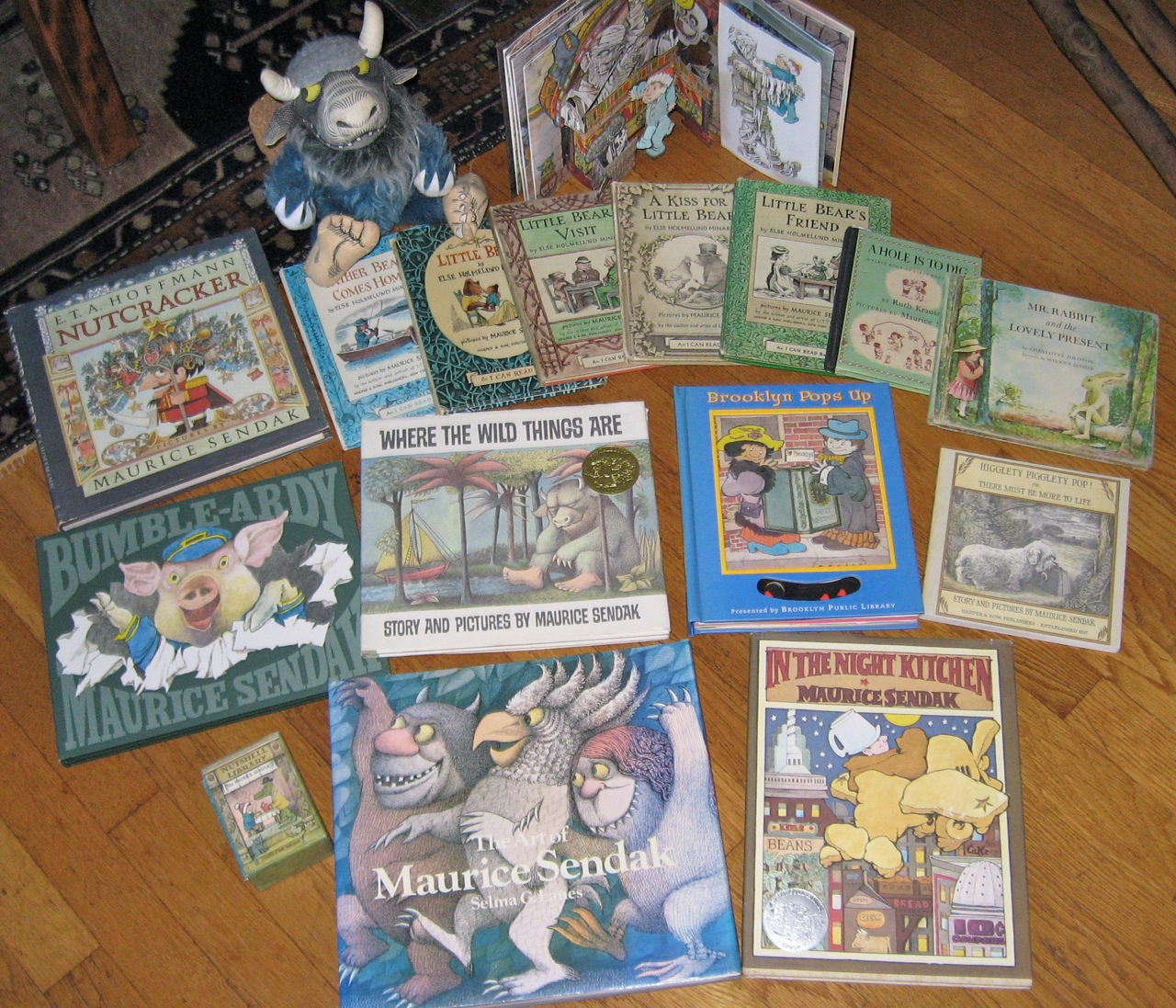
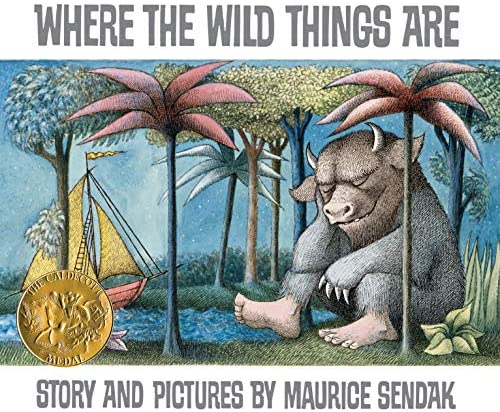
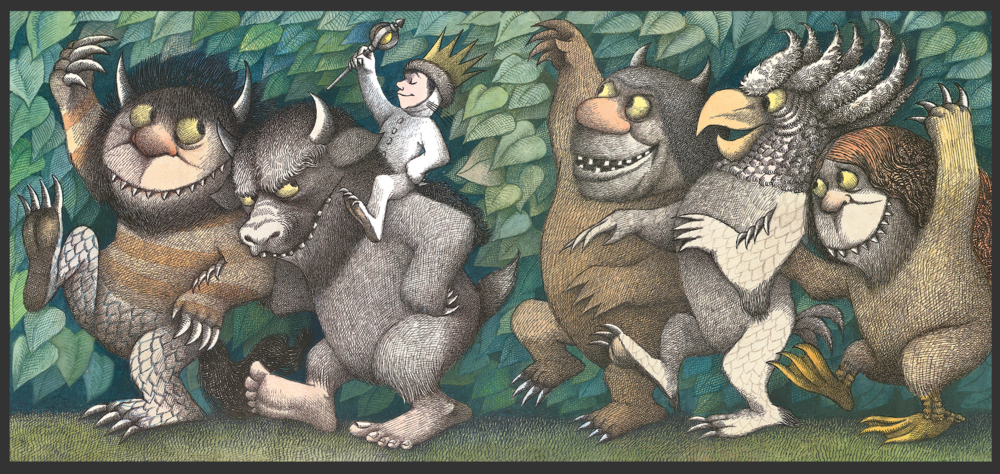
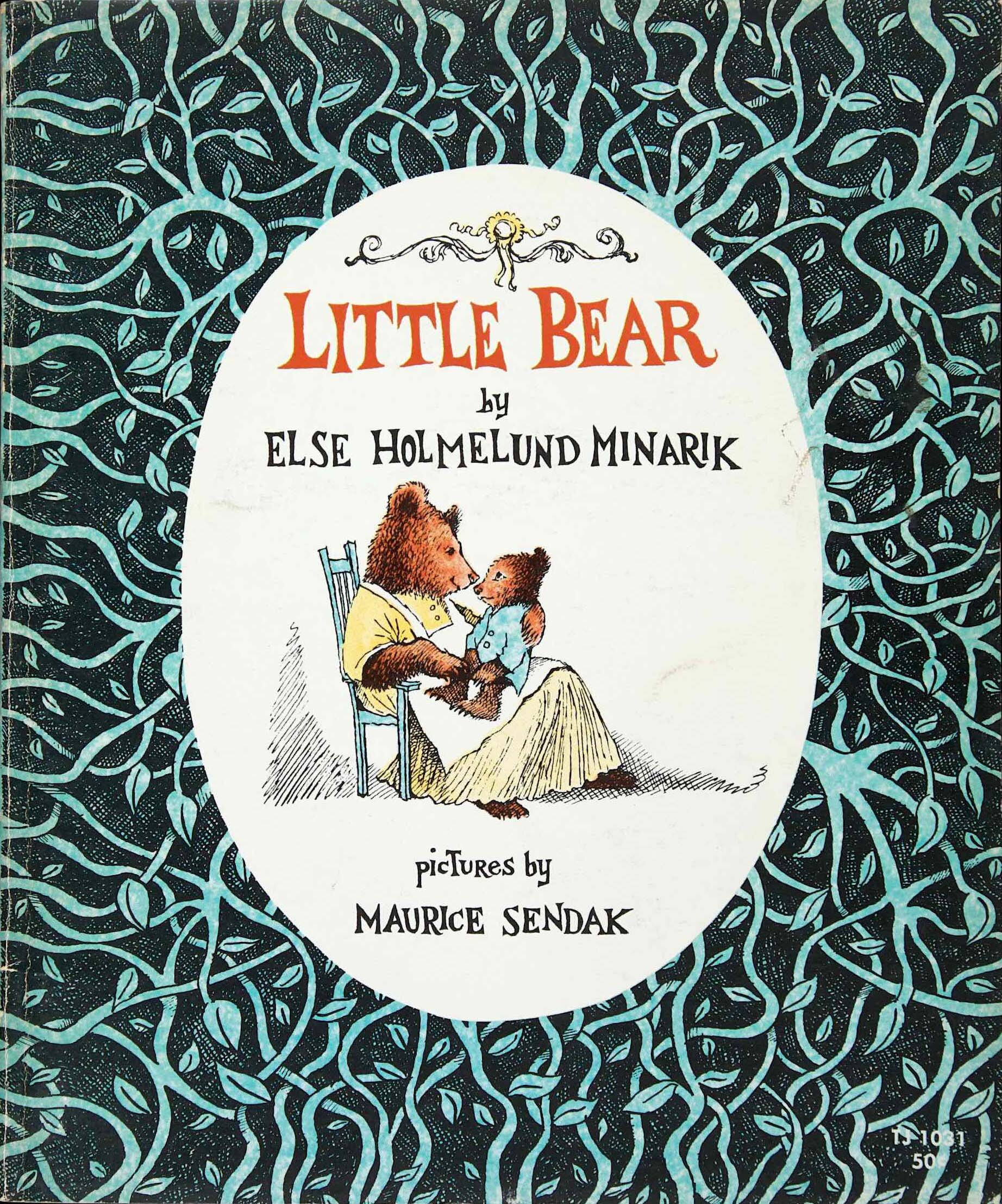
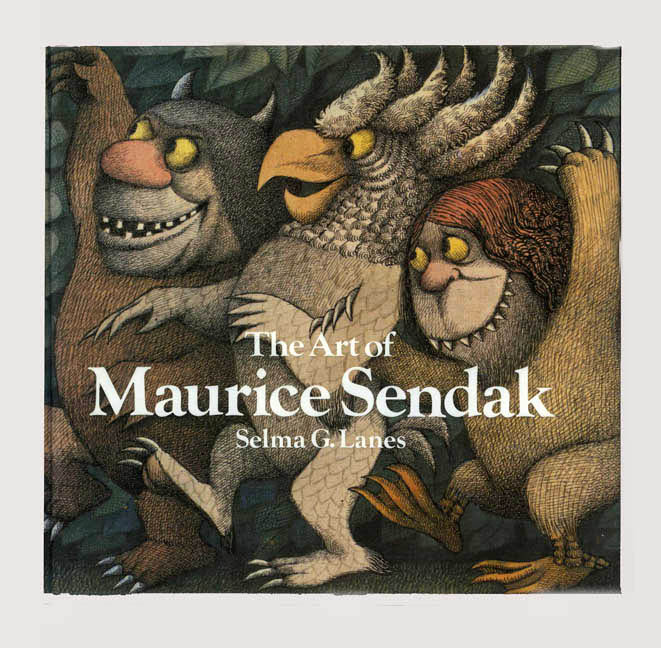
Noted for his compassionate and curmudgeonly demeanor, Maurice Sendak changed the face of children’s literature in America with his unique writing and illustration style. He maintained that, “If children are different from us, they are more spontaneous. Grown-up lives have become overlaid with dross.” Sendak was born on June 10, 1928, in Brooklyn, New York, to two Jewish parents from Poland. As a child, Sendak repeatedly fell ill and often explored his love for drawing rather than resting. He loved Mickey Mouse, American comic books and Manhattan’s bright lights. Watching the Disney movie Fantasia at a movie theater in 1940 made him want to become an illustrator. Sendak obtained his first job illustrating children’s books after meeting book publisher and editor Ursula Nordstrom at his part-time job creating window displays at F.A.O. Schwartz, a toy store in New York City . He went on to illustrate and/or write around 150 books throughout his career. He is known for his incredibly popular children’s book, Where the Wild Things Are, published in 1963. The story was so captivating because of its creepy, unnerving illustrations of monsters that one did not expect from a children’s book at the time. Additionally, he wrote and illustrated other titles such as: The Sign on Rosie’s Door (1960), The Nutshell Library (1962), In the Night Kitchen (1970), Outside Over There (1981), the HIV/AIDS crisis themed We Are All in the Dumps with Jack and Guy (1993) and Bumble-Ardy (2000). Sendak also illustrated Tony Kushner’s Holocaust-themed book Brundibar (2003). He was also an early board member of the Children’s Television Workshop when Sesame Street was in the developmental stages. Later in his life he was also a set designer for theaters, allowing him to incorporate his vision into the works of Mozart, Tchaikovsky, and Prokofiev. Sendak received several accolades throughout his life including the Caldecott Medal in 1964, the Hans Christian Andersen Award in 1970, and the Astrid Lindgren Memorial Award in 2003. In 1996, he received the National Medal of Arts, presented to him by President Bill Clinton. Although Sendak was born into a Jewish family, he later became an atheist. Sendak officially came out as gay when he was 80 years old in an interview with the New York Times. He spoke openly about his experience being closeted and his fear that the American public would forsake him if they knew a gay man was writing the books their children were reading. His partner, Eugene Glynn, was a psychoanalyst who moved to Connecticut with Sendak in 1972. They were together for 50 years. Sendak passed away due to stroke-related complications at the age of 83 in 2012.
1928 - 2012
"It's like I'm a receptacle, a repository for all the people I love. All I can do with them is keep them."
- Maurice Sendak
Noted for his compassionate and curmudgeonly demeanor, Maurice Sendak changed the face of children’s literature in America with his unique writing and illustration style. He maintained that, “If children are different from us, they are more spontaneous. Grown-up lives have become overlaid with dross.” Sendak was born on June 10, 1928, in Brooklyn, New York, to two Jewish parents from Poland. As a child, Sendak repeatedly fell ill and often explored his love for drawing rather than resting. He loved Mickey Mouse, American comic books and Manhattan’s bright lights. Watching the Disney movie Fantasia at a movie theater in 1940 made him want to become an illustrator. Sendak obtained his first job illustrating children’s books after meeting book publisher and editor Ursula Nordstrom at his part-time job creating window displays at F.A.O. Schwartz, a toy store in New York City . He went on to illustrate and/or write around 150 books throughout his career. He is known for his incredibly popular children’s book, Where the Wild Things Are, published in 1963. The story was so captivating because of its creepy, unnerving illustrations of monsters that one did not expect from a children’s book at the time. Additionally, he wrote and illustrated other titles such as: The Sign on Rosie’s Door (1960), The Nutshell Library (1962), In the Night Kitchen (1970), Outside Over There (1981), the HIV/AIDS crisis themed We Are All in the Dumps with Jack and Guy (1993) and Bumble-Ardy (2000). Sendak also illustrated Tony Kushner’s Holocaust-themed book Brundibar (2003). He was also an early board member of the Children’s Television Workshop when Sesame Street was in the developmental stages. Later in his life he was also a set designer for theaters, allowing him to incorporate his vision into the works of Mozart, Tchaikovsky, and Prokofiev. Sendak received several accolades throughout his life including the Caldecott Medal in 1964, the Hans Christian Andersen Award in 1970, and the Astrid Lindgren Memorial Award in 2003. In 1996, he received the National Medal of Arts, presented to him by President Bill Clinton. Although Sendak was born into a Jewish family, he later became an atheist. Sendak officially came out as gay when he was 80 years old in an interview with the New York Times. He spoke openly about his experience being closeted and his fear that the American public would forsake him if they knew a gay man was writing the books their children were reading. His partner, Eugene Glynn, was a psychoanalyst who moved to Connecticut with Sendak in 1972. They were together for 50 years. Sendak passed away due to stroke-related complications at the age of 83 in 2012.
Lesson Plan
Please login or register for an account to view this lesson plan.
Demography
Demography
Gender Male
Sexual Orientation Gay
Gender Identity Cisgender
Ethnicity Caucasian/White Jewish
Faith Construct Atheist
Nations Affiliated Afghanistan United States
Era/Epoch Cold War (1945-1991) Great Depression (1929-1939) Information Age (1970-present) World War II (1939-1945)
Field(s) of Contribution
Art
Art, Music, Literature & Theater
Author
Fashion Designer
Social Sciences
Theater
US History
Commemorations & Honors
Child Study Association of America's Josette Frank Award (1956)
Caldecott Medal Awardee (1964)
Hans Christian Andersen Award (1970)
National Book Award (1982)
Laura Ingalls Wilder Medal for American Children's Literature (1983)
Honorary Doctorate From University of Connecticut (1990)
National Medal of Arts (1996)
Astrid Lindgren Memorial Award (2003)
Honorary Doctorate From Goucher College (2004)
New York Writers Hall of Fame Inductee (2013)
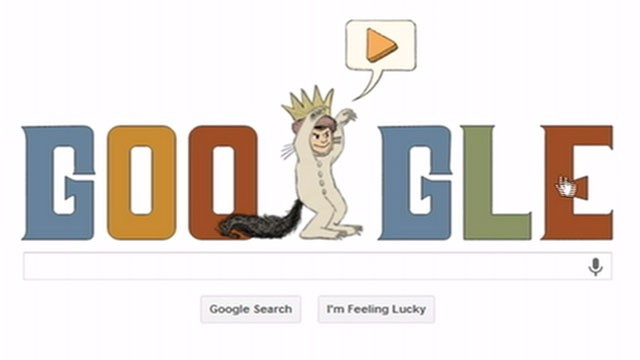
Google Doodle Commemorating Sendak's 85th Birthday (2013)
San Francisco Rainbow Honor Walk Honoree (2022)
Demography
Gender Male
Sexual Orientation Gay
Gender Identity Cisgender
Ethnicity Caucasian/White Jewish
Faith Construct Atheist
Nations Affiliated Afghanistan United States
Era/Epoch Cold War (1945-1991) Great Depression (1929-1939) Information Age (1970-present) World War II (1939-1945)
Field(s) of Contribution
Art
Art, Music, Literature & Theater
Author
Fashion Designer
Social Sciences
Theater
US History
Commemorations & Honors
Child Study Association of America's Josette Frank Award (1956)
Caldecott Medal Awardee (1964)
Hans Christian Andersen Award (1970)
National Book Award (1982)
Laura Ingalls Wilder Medal for American Children's Literature (1983)
Honorary Doctorate From University of Connecticut (1990)
National Medal of Arts (1996)
Astrid Lindgren Memorial Award (2003)
Honorary Doctorate From Goucher College (2004)
New York Writers Hall of Fame Inductee (2013)
Google Doodle Commemorating Sendak's 85th Birthday (2013)
San Francisco Rainbow Honor Walk Honoree (2022)
Resources
Resources




Cott, Jonathan. There’s a Mystery There; The Primal Vision of Maurice Sendak. New York: Doubleday, 2017.
Kushner, Tony. The Art of Maurice Sendak: 1980 to Present. New York: Harry N. Abrams, 2003.
Weinberg, Jonathan and Caponera, Lynn. Wild Things Are Happening: The Art of Maurice Sendak. New York: DelMonico Books, 2022.
https://www.sendakfoundation.org/biography
https://www.mauricesendak.com/
https://www.biography.com/writer/maurice-sendak
https://www.nytimes.com/2012/05/09/books/maurice-sendak-childrens-author-dies-at-83.html
https://jerrygriswold.medium.com/maurice-sendak-gay-identity-899867c305b7
https://electricliterature.com/queer-and-jewish-identity-are-the-heart-of-where-the-wild-things-are/
https://www.newyorker.com/magazine/1966/01/22/among-the-wild-things
https://www.britannica.com/biography/Maurice-Sendak
https://www.famousauthors.org/maurice-sendak
https://www.baltimoresun.com/opinion/readers-respond/bs-ed-maurice-sendak-20120510-story.html
https://www.nytimes.com/2008/09/10/arts/design/10sendak.html
https://electricliterature.com/queer-and-jewish-identity-are-the-heart-of-where-the-wild-things-are/
Resources
Cott, Jonathan. There’s a Mystery There; The Primal Vision of Maurice Sendak. New York: Doubleday, 2017.
Kushner, Tony. The Art of Maurice Sendak: 1980 to Present. New York: Harry N. Abrams, 2003.
Weinberg, Jonathan and Caponera, Lynn. Wild Things Are Happening: The Art of Maurice Sendak. New York: DelMonico Books, 2022.
https://www.sendakfoundation.org/biography
https://www.mauricesendak.com/
https://www.biography.com/writer/maurice-sendak
https://www.nytimes.com/2012/05/09/books/maurice-sendak-childrens-author-dies-at-83.html
https://jerrygriswold.medium.com/maurice-sendak-gay-identity-899867c305b7
https://electricliterature.com/queer-and-jewish-identity-are-the-heart-of-where-the-wild-things-are/
https://www.newyorker.com/magazine/1966/01/22/among-the-wild-things
https://www.britannica.com/biography/Maurice-Sendak
https://www.famousauthors.org/maurice-sendak
https://www.baltimoresun.com/opinion/readers-respond/bs-ed-maurice-sendak-20120510-story.html
https://www.nytimes.com/2008/09/10/arts/design/10sendak.html
https://electricliterature.com/queer-and-jewish-identity-are-the-heart-of-where-the-wild-things-are/