
Biography
1885 - 1954
"Art must discover and reveal the beauty which prejudice and caricature have overlaid."
- Alain Locke
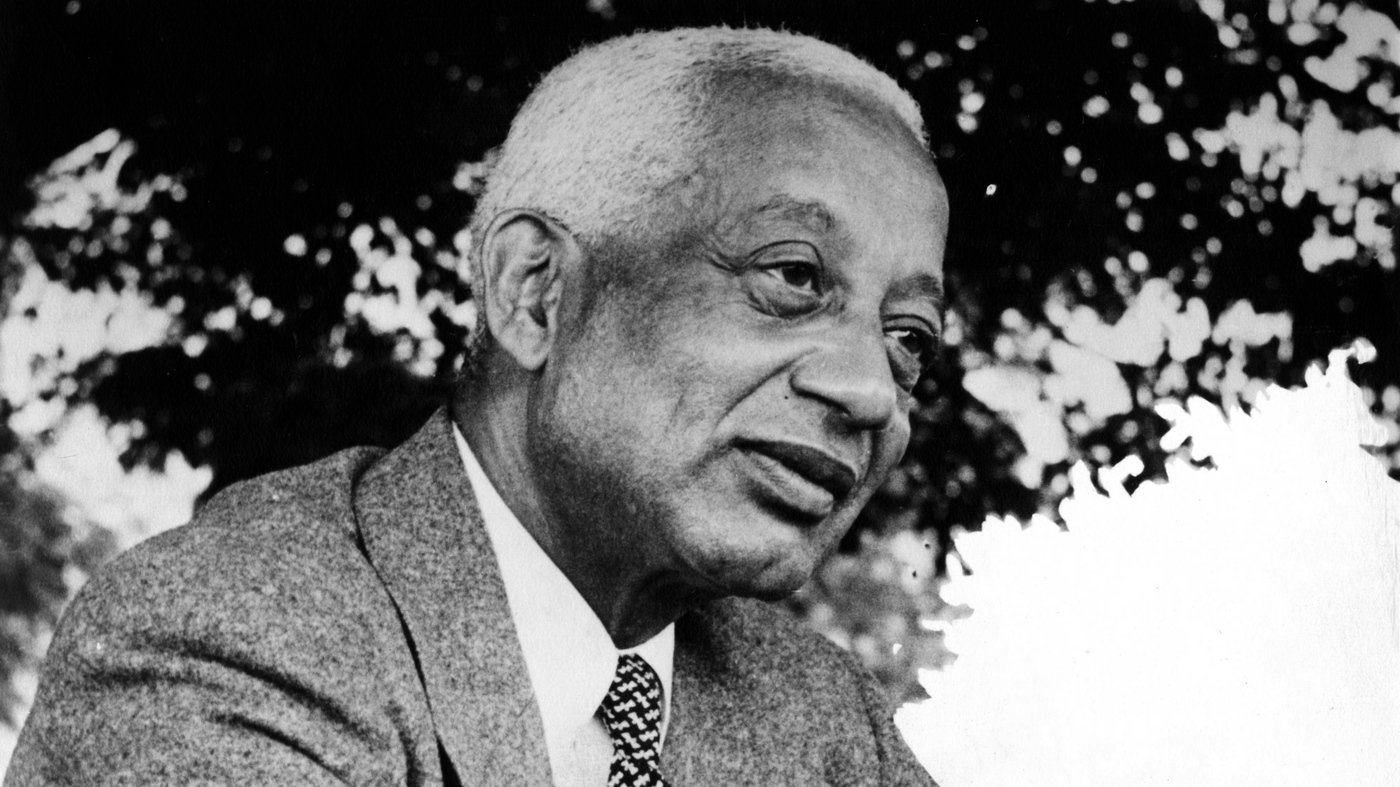
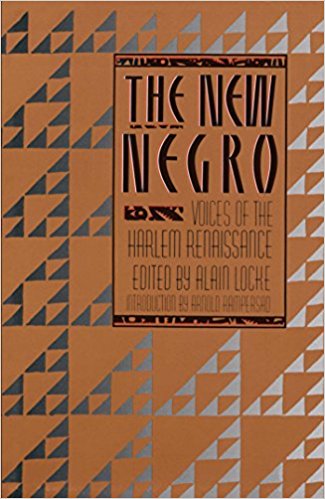
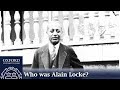
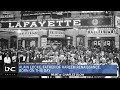
Born in Philadelphia, Pennsylvania into a family of teachers whose parents were descendants of prominent families of free Black people, Alain Locke graduated second in his 1907 high school class. Locke completed Harvard’s four year program in three years where he got degrees in English and philosophy, was elected into Phi Beta Kappa, and won the school’s most distinguished award, The Bowdoin Prize. Afterwards, Locke became the first African-American to be named a Rhodes Scholar and received a scholarship to Oxford. When Locke arrived at Oxford, he was denied entry into several of the colleges there due to the racism that existed there at the time. He was eventually admitted into Oxfords Hertford College where he studied literature, philosophy, Greek, and Latin. After receiving his PhD from Harvard University in 1917, Locke became philosophy professor at the Washington, D.C. based Howard University, an HBCU school, where he remained until his retirement. In 1925, Locke edited The New Negro: An Interpretation – the signature anthology of the Harlem Renaissance and also edited Four Negro Poets (1927). By this time Locke was actively promoting his theory of ‘cultural pluralism’ which maintained that a democratic society should value the uniqueness of the different styles within that culture, thus encouraging African-American artists to embrace their ancestral and folk traditions. Locke was called “The Father of the Harlem Renaissance” because he mentored many of the notable figures of that movement. A gay man himself, Locke also helped gay African-American artists like Countee Cullen, to whom he was romantically linked, and Richard Bruce Nugent find pride in their heritage. In the 1930s, he established Associates in Negro Folk Education. As the leading authority on African American culture, Locke wrote Negro Art: Past and Present, The Negro and His Music, and edited The Negro in Art. In 1945, he became the first African American president of the American Association of Adult Education. In 1953, Locke secured a Phi Beta Kappa chapter at Howard University, a major milestone in the history of African American education. In 1954, he was still working on The Negro in American Culture, his definitive study of the contributions of African-Americans to American society, when he died of a heart ailment at age 68.
1885 - 1954
"Art must discover and reveal the beauty which prejudice and caricature have overlaid."
- Alain Locke
Born in Philadelphia, Pennsylvania into a family of teachers whose parents were descendants of prominent families of free Black people, Alain Locke graduated second in his 1907 high school class. Locke completed Harvard’s four year program in three years where he got degrees in English and philosophy, was elected into Phi Beta Kappa, and won the school’s most distinguished award, The Bowdoin Prize. Afterwards, Locke became the first African-American to be named a Rhodes Scholar and received a scholarship to Oxford. When Locke arrived at Oxford, he was denied entry into several of the colleges there due to the racism that existed there at the time. He was eventually admitted into Oxfords Hertford College where he studied literature, philosophy, Greek, and Latin. After receiving his PhD from Harvard University in 1917, Locke became philosophy professor at the Washington, D.C. based Howard University, an HBCU school, where he remained until his retirement. In 1925, Locke edited The New Negro: An Interpretation – the signature anthology of the Harlem Renaissance and also edited Four Negro Poets (1927). By this time Locke was actively promoting his theory of ‘cultural pluralism’ which maintained that a democratic society should value the uniqueness of the different styles within that culture, thus encouraging African-American artists to embrace their ancestral and folk traditions. Locke was called “The Father of the Harlem Renaissance” because he mentored many of the notable figures of that movement. A gay man himself, Locke also helped gay African-American artists like Countee Cullen, to whom he was romantically linked, and Richard Bruce Nugent find pride in their heritage. In the 1930s, he established Associates in Negro Folk Education. As the leading authority on African American culture, Locke wrote Negro Art: Past and Present, The Negro and His Music, and edited The Negro in Art. In 1945, he became the first African American president of the American Association of Adult Education. In 1953, Locke secured a Phi Beta Kappa chapter at Howard University, a major milestone in the history of African American education. In 1954, he was still working on The Negro in American Culture, his definitive study of the contributions of African-Americans to American society, when he died of a heart ailment at age 68.
Lesson Plan
Please login or register for an account to view this lesson plan.
Demography
Demography
Gender Male
Sexual Orientation Gay
Gender Identity Cisgender
Ethnicity African American Black
Nations Affiliated United Kingdom United States
Era/Epoch Harlem Renaissance (1919-1929)
Field(s) of Contribution
Academics
Author
Editor
Education
Humanities
Media & Communications
Philosophy
Social Sciences
US History
Commemorations & Honors
Dean of the Harlem Renaissance
Howard University's College of Arts and Sciences Main Building Named Alain Locke Hall
Scholar Molefi Kete Asante Named Locke one of the 100 Greatest African Americans
Columbus Salley's Book The Black 100 Named Locke the 36th Most Influential African-American
First African-American Rhodes Scholar (1907)
Harvard University Bowdoin Prize Winner (1907)
First African American American Association of Adult Education President (1945)
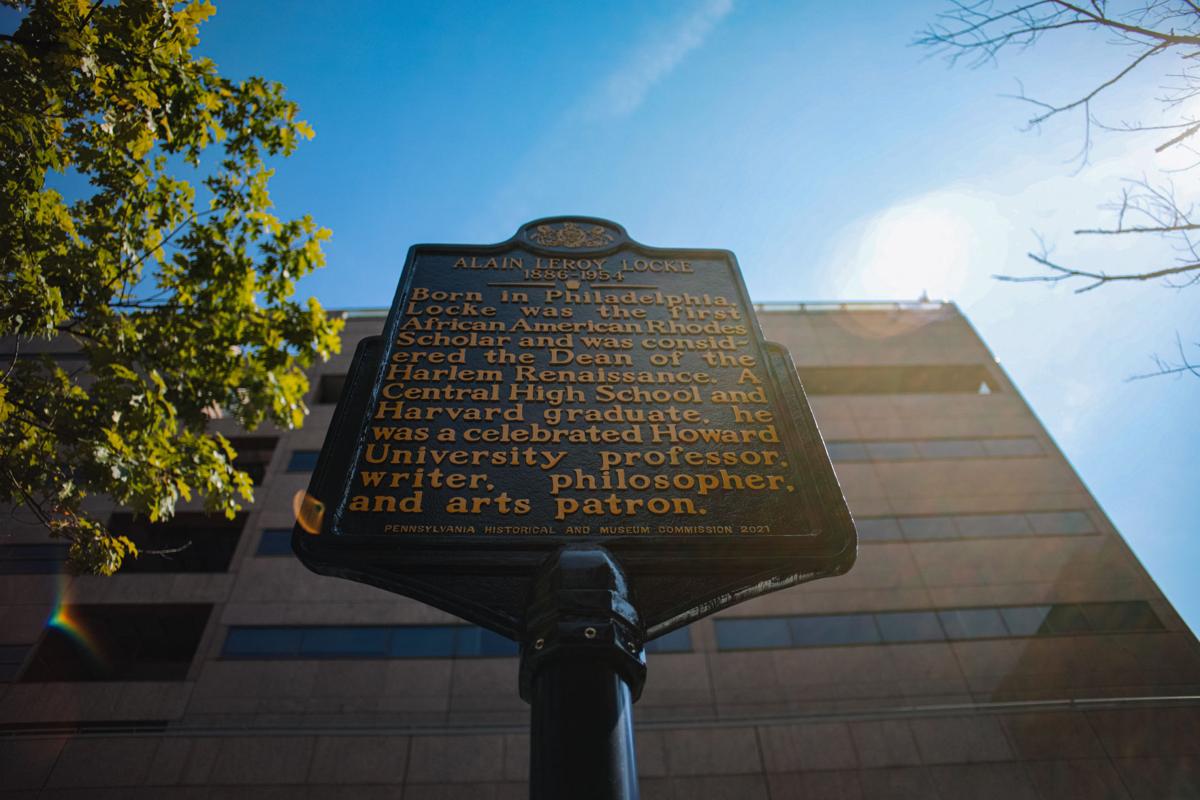
Historical Marker Unvieled at Philadelphia's African American Museum (2021)
Demography
Gender Male
Sexual Orientation Gay
Gender Identity Cisgender
Ethnicity African American Black
Nations Affiliated United Kingdom United States
Era/Epoch Harlem Renaissance (1919-1929)
Field(s) of Contribution
Academics
Author
Editor
Education
Humanities
Media & Communications
Philosophy
Social Sciences
US History
Commemorations & Honors
Dean of the Harlem Renaissance
Howard University's College of Arts and Sciences Main Building Named Alain Locke Hall
Scholar Molefi Kete Asante Named Locke one of the 100 Greatest African Americans
Columbus Salley's Book The Black 100 Named Locke the 36th Most Influential African-American
First African-American Rhodes Scholar (1907)
Harvard University Bowdoin Prize Winner (1907)
First African American American Association of Adult Education President (1945)
Historical Marker Unvieled at Philadelphia's African American Museum (2021)
Resources
Resources



Harris, Leonard. " 'Outing' Alain L. Locke: Empowering the Silenced." Sexual Identities, Queer Politics. Mark Blasius, ed. Princeton: Princeton University Press, 2001. 321-341.
Harris, Leonard, and Charles Molesworth. Alain L. Locke: Biography of a Philosopher. Chicago: The University of Chicago Press, 2008.
Robinson, Lisa Clayton. "Locke, Alain Leroy." Africana: The Encyclopedia of African and African-American Experience. Kwame Anthony Appiah and Henry Louis Gates, Jr., eds. New York: Basic Books, 1999.
Stewart, Jeffrey C. The New Negro: The Life of Alain Locke. Oxford: Oxford University Press, 2018.
http://rictornorton.co.uk/cullen.htm
http://www.blackpast.org/aah/locke-alain-1886-1954
https://www.lambdaliterary.org/2018/07/alain-leroy/
https://epgn.com/2019/04/18/biography-of-gay-philadelphian-wins-pulitzer-prize/
Resources
Harris, Leonard. " 'Outing' Alain L. Locke: Empowering the Silenced." Sexual Identities, Queer Politics. Mark Blasius, ed. Princeton: Princeton University Press, 2001. 321-341.
Harris, Leonard, and Charles Molesworth. Alain L. Locke: Biography of a Philosopher. Chicago: The University of Chicago Press, 2008.
Robinson, Lisa Clayton. "Locke, Alain Leroy." Africana: The Encyclopedia of African and African-American Experience. Kwame Anthony Appiah and Henry Louis Gates, Jr., eds. New York: Basic Books, 1999.
Stewart, Jeffrey C. The New Negro: The Life of Alain Locke. Oxford: Oxford University Press, 2018.
http://rictornorton.co.uk/cullen.htm
http://www.blackpast.org/aah/locke-alain-1886-1954
https://www.lambdaliterary.org/2018/07/alain-leroy/
https://epgn.com/2019/04/18/biography-of-gay-philadelphian-wins-pulitzer-prize/