
Biography
1957 - 1995
“The Black homosexual is hard pressed to gain audience among his heterosexual brothers; even if he is more talented, he is inhibited by his silence or his admissions. This is what the race has depended on in being able to erase homosexuality from our recorded history. The ‘chosen’ history. But the sacred constructions of silence are futile exercises in denial. We will not go away with our issues of sexuality. We are coming home. It is not enough to tell us that one was a brilliant poet, scientist, educator, or rebel. Whom did he love? It makes a difference. I can't become a whole man simply on what is fed to me: watered-down versions of Black life in America. I need the ass-splitting truth to be told, so I will have something pure to emulate, a reason to remain loyal.”
- Essex Hemphill
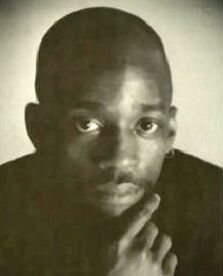
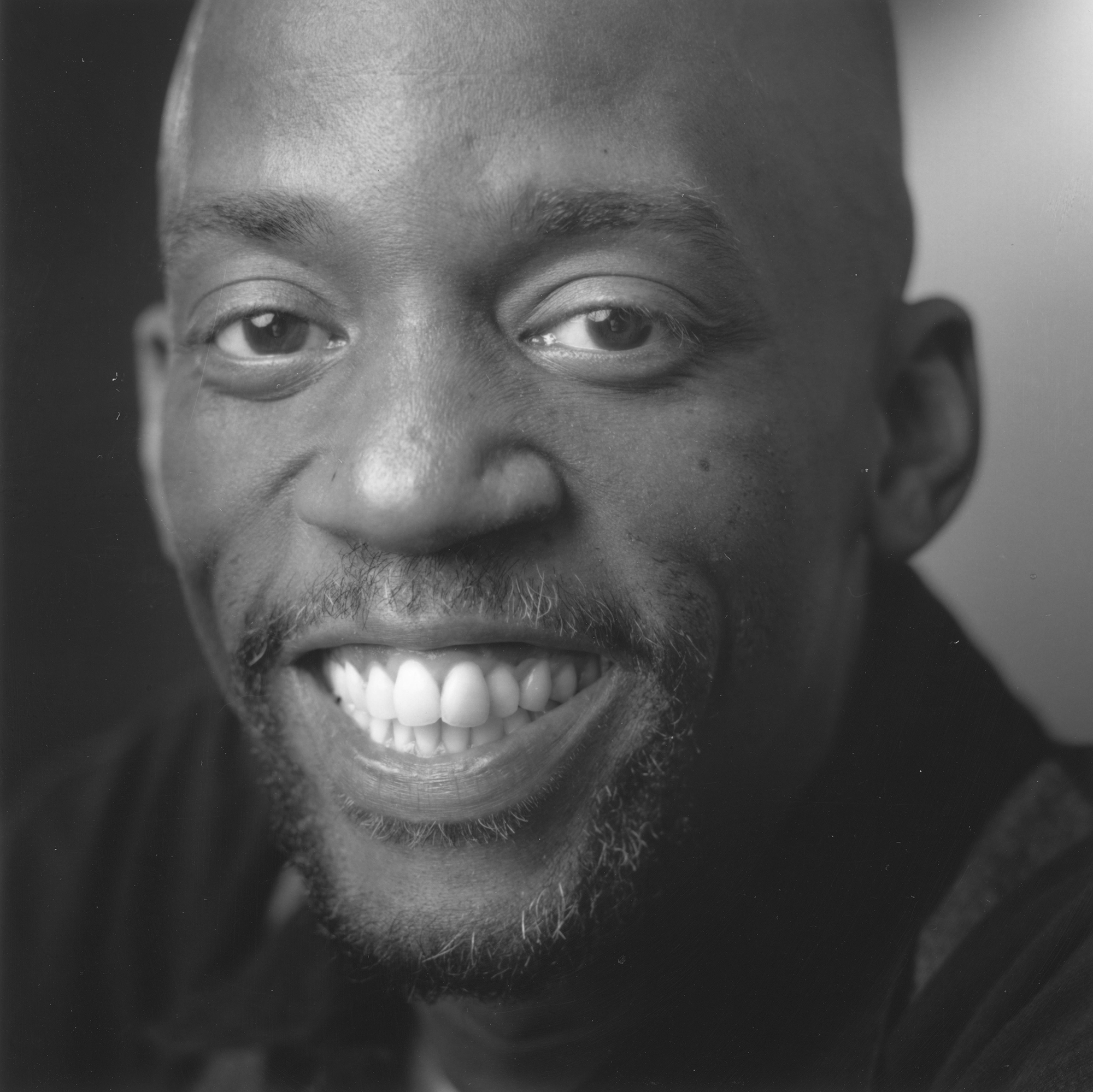
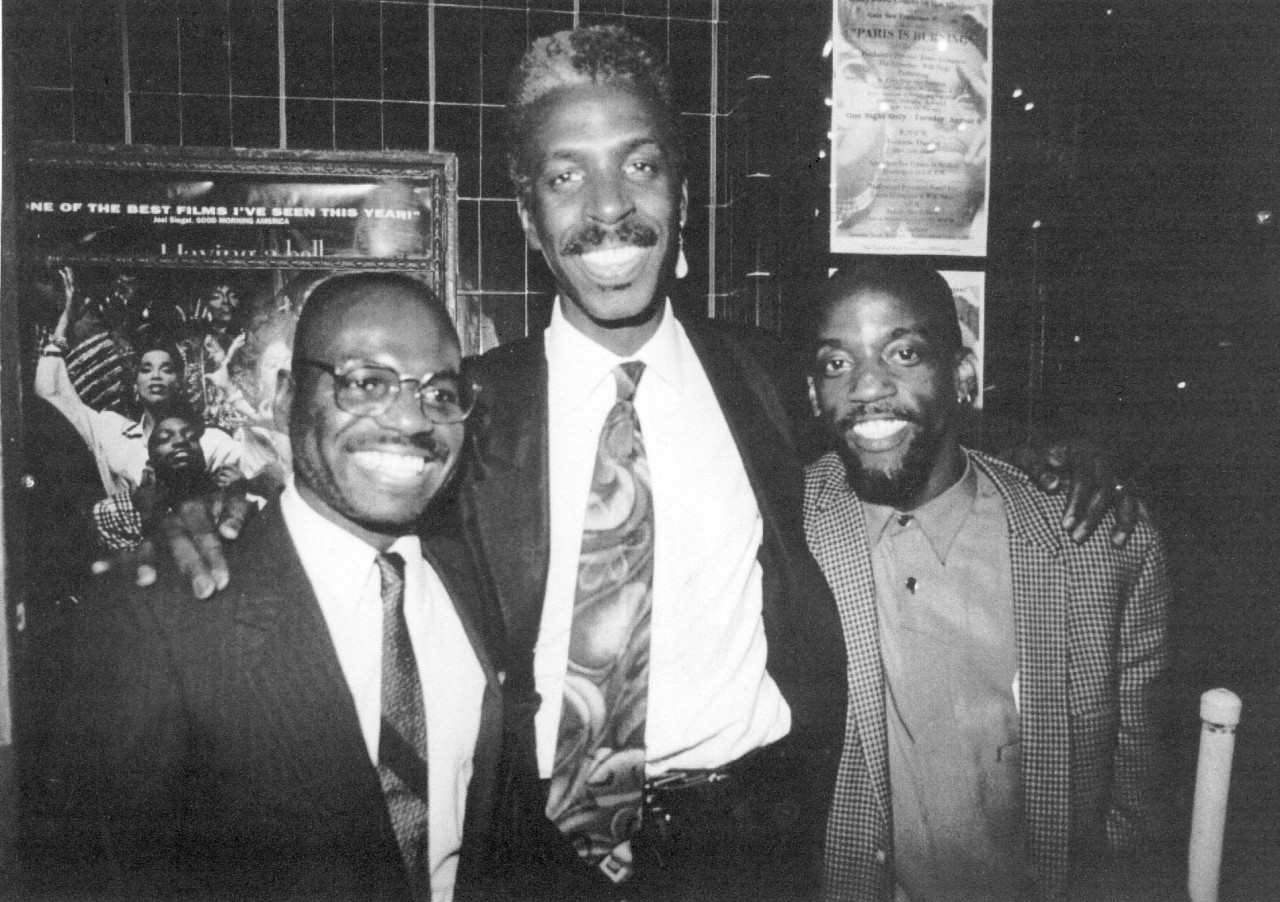
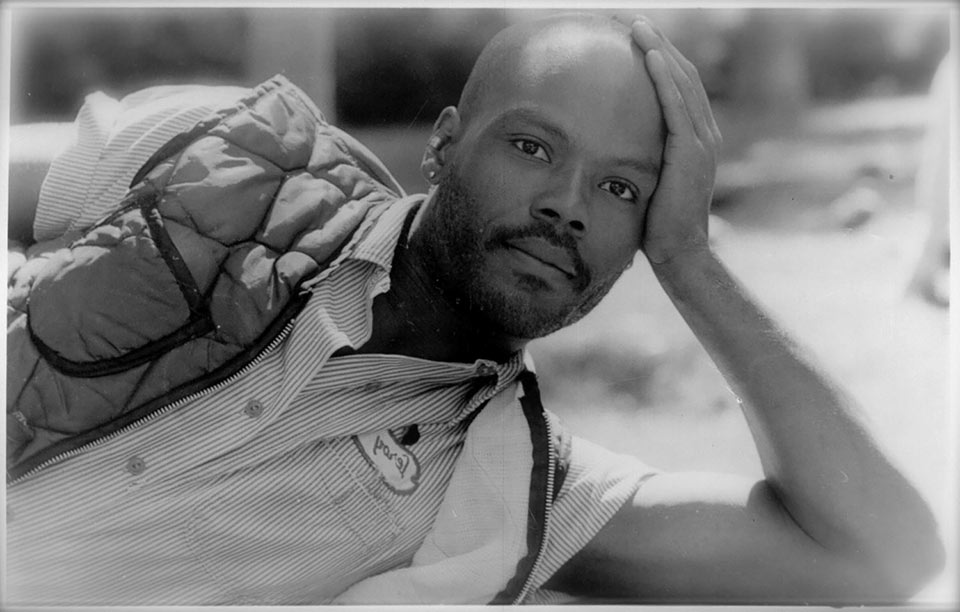
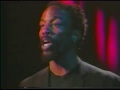
Born in Chicago in 1957, Essex Hemphill grew up in Washington, DC where he was at the heart of an African American gay and lesbian literary and performance renaissance during the 1980s and 90s. Hemphill attended (but did not graduate from) the University of Maryland where he studied English and co-founded and ran the student led Nethula Journal of Contemporary Literature. His poetry, which he began to write at age 14, evoked the challenges of being Black, gay and young in the midst of the AIDS epidemic – articulating the anger, despair, and commitment of his generation; his critiques of homophobia and heterosexism within the Black community, of sexism among Black men and of racism among gay whites served as reminders that being oppressed does not mean one is unable to oppress others. Hemphill sought to examine how sexuality is impacted upon and influenced by racism, allowing neither his sexuality nor his race to define him. He argued that “…homo sex did not constitute a whole life nor did it negate my racial identity …” and challenged himself to “…integrate all of my identities into a functioning self, instead of accepting a dysfunctional existence as the consequence of my homosexual desires.” Hemphill self-published his first books, Earth Life (1985) and Conditions (1986). Probably the most profound and provocative thinker of his generation – he was prominently featured in the Isaac Julien directed Looking for Langston (1988) and the award-winning Marlon Riggs directed Tongues Untied (1989) and Black Is…Black Ain’t (1994) and the anthologies In The Life : A Black Gay Anthology (1986) and the Lambda Literary Award winner Brother to Brother: New Writings for Black Gay Men (1991). Hemphill released the National Library Association’s Gay, Lesbian, and Bisexual New Author Award winner Ceremonies: Prose and Poetry in 1992. He did a stint as a Getty Center for the History of Art and Humanities visiting scholar in 1993. Hemphill gave voice and metaphor to the lives of African American gay men. He died in 1995 due to AIDS-related complications. In 2019, Hemphill was one of the first 50 LGBTQ Americans to be inducted into the National LGBTQ Wall of Honor at the Stonewall National Monument in New York City.
1957 - 1995
“The Black homosexual is hard pressed to gain audience among his heterosexual brothers; even if he is more talented, he is inhibited by his silence or his admissions. This is what the race has depended on in being able to erase homosexuality from our recorded history. The ‘chosen’ history. But the sacred constructions of silence are futile exercises in denial. We will not go away with our issues of sexuality. We are coming home. It is not enough to tell us that one was a brilliant poet, scientist, educator, or rebel. Whom did he love? It makes a difference. I can't become a whole man simply on what is fed to me: watered-down versions of Black life in America. I need the ass-splitting truth to be told, so I will have something pure to emulate, a reason to remain loyal.”
- Essex Hemphill
Born in Chicago in 1957, Essex Hemphill grew up in Washington, DC where he was at the heart of an African American gay and lesbian literary and performance renaissance during the 1980s and 90s. Hemphill attended (but did not graduate from) the University of Maryland where he studied English and co-founded and ran the student led Nethula Journal of Contemporary Literature. His poetry, which he began to write at age 14, evoked the challenges of being Black, gay and young in the midst of the AIDS epidemic – articulating the anger, despair, and commitment of his generation; his critiques of homophobia and heterosexism within the Black community, of sexism among Black men and of racism among gay whites served as reminders that being oppressed does not mean one is unable to oppress others. Hemphill sought to examine how sexuality is impacted upon and influenced by racism, allowing neither his sexuality nor his race to define him. He argued that “…homo sex did not constitute a whole life nor did it negate my racial identity …” and challenged himself to “…integrate all of my identities into a functioning self, instead of accepting a dysfunctional existence as the consequence of my homosexual desires.” Hemphill self-published his first books, Earth Life (1985) and Conditions (1986). Probably the most profound and provocative thinker of his generation – he was prominently featured in the Isaac Julien directed Looking for Langston (1988) and the award-winning Marlon Riggs directed Tongues Untied (1989) and Black Is…Black Ain’t (1994) and the anthologies In The Life : A Black Gay Anthology (1986) and the Lambda Literary Award winner Brother to Brother: New Writings for Black Gay Men (1991). Hemphill released the National Library Association’s Gay, Lesbian, and Bisexual New Author Award winner Ceremonies: Prose and Poetry in 1992. He did a stint as a Getty Center for the History of Art and Humanities visiting scholar in 1993. Hemphill gave voice and metaphor to the lives of African American gay men. He died in 1995 due to AIDS-related complications. In 2019, Hemphill was one of the first 50 LGBTQ Americans to be inducted into the National LGBTQ Wall of Honor at the Stonewall National Monument in New York City.
Lesson Plan
Please login or register for an account to view this lesson plan.
Demography
Demography
Gender Male
Sexual Orientation Gay
Gender Identity Cisgender
Ethnicity African American Black
Nations Affiliated United States
Era/Epoch AIDS Era (1980-present) Information Age (1970-present) Post-Stonewall Era (1974-1980)
Field(s) of Contribution
Advocacy & Activism
Art, Music, Literature & Theater
Author
Poet
Social Justice
Social Sciences
US History
Commemorations & Honors
Lambda Literary Award for Gay Men's Anthologies for Brother to Brother: New Writing By Black Gay Men (1991)
Stonewall Book Award-Barbara Gittings Literature Award (1993)
National Library Association's Gay, Lesbian, and Bisexual New Author Award Recipient For Ceremonies: Prose and Poetry (1993)
Pew Charitable Trust Fellowship in the Arts For Ceremonies: Prose and Poetry (1993)
National LGBTQ Wall of Honor at the Stonewall National Monument Inductee (2019)
Demography
Gender Male
Sexual Orientation Gay
Gender Identity Cisgender
Ethnicity African American Black
Nations Affiliated United States
Era/Epoch AIDS Era (1980-present) Information Age (1970-present) Post-Stonewall Era (1974-1980)
Field(s) of Contribution
Advocacy & Activism
Art, Music, Literature & Theater
Author
Poet
Social Justice
Social Sciences
US History
Commemorations & Honors
Lambda Literary Award for Gay Men's Anthologies for Brother to Brother: New Writing By Black Gay Men (1991)
Stonewall Book Award-Barbara Gittings Literature Award (1993)
National Library Association's Gay, Lesbian, and Bisexual New Author Award Recipient For Ceremonies: Prose and Poetry (1993)
Pew Charitable Trust Fellowship in the Arts For Ceremonies: Prose and Poetry (1993)
National LGBTQ Wall of Honor at the Stonewall National Monument Inductee (2019)
Resources
Resources


Aaab-Richards, Dirg, Craig G. Harris, Essex Hemphill, Isaac Jackson, and Assotto Saint. Tongues Untied. London: Gay Men's Press, 1987.
Beam, Joseph, ed. In the Life: A Black Gay Anthology. Boston: Alyson Publications, 1986.
Hemphill, Essex, ed. Brother to Brother: New Writings by Black Gay Men. Boston: Alyson Publications, 1991.
Hemphill, Essex, ed. Ceremonies: Prose and Poetry. New York: Plume, 1992.
Morse, Carl, and Joan Larkin, eds. Gay and Lesbian Poetry in Our Time: An Anthology. New York: St. Martin's Press, 1988.
Preston, John, ed. Hometowns: Gay Men Write About Where They Belong. New York: Dutton, 1991.
Price, Deb. "Discovering the Voice of Black Gay Men." www.qrd.org/qrd/www/culture/black/articles/essex.html.
Saint, Assoto, ed. The Road Before Us: 100 Gay Black Poets. New York: Galiens Press, 1991.
https://poets.org/poet/essex-hemphill
https://www.poetryfoundation.org/poets/essex-hemphill
https://muse.jhu.edu/article/695979
https://nmaahc.si.edu/essex-hemphill
https://blackpast.org/african-american-history/hemphill-essex-1957-1995/
https://www.aaihs.org/the-poetic-theology-of-essex-hemphill/
https://www.thenation.com/article/culture/essex-hemphill-selected-poems/
Resources
Aaab-Richards, Dirg, Craig G. Harris, Essex Hemphill, Isaac Jackson, and Assotto Saint. Tongues Untied. London: Gay Men's Press, 1987.
Beam, Joseph, ed. In the Life: A Black Gay Anthology. Boston: Alyson Publications, 1986.
Hemphill, Essex, ed. Brother to Brother: New Writings by Black Gay Men. Boston: Alyson Publications, 1991.
Hemphill, Essex, ed. Ceremonies: Prose and Poetry. New York: Plume, 1992.
Morse, Carl, and Joan Larkin, eds. Gay and Lesbian Poetry in Our Time: An Anthology. New York: St. Martin's Press, 1988.
Preston, John, ed. Hometowns: Gay Men Write About Where They Belong. New York: Dutton, 1991.
Price, Deb. "Discovering the Voice of Black Gay Men." www.qrd.org/qrd/www/culture/black/articles/essex.html.
Saint, Assoto, ed. The Road Before Us: 100 Gay Black Poets. New York: Galiens Press, 1991.
https://poets.org/poet/essex-hemphill
https://www.poetryfoundation.org/poets/essex-hemphill
https://muse.jhu.edu/article/695979
https://nmaahc.si.edu/essex-hemphill
https://blackpast.org/african-american-history/hemphill-essex-1957-1995/
https://www.aaihs.org/the-poetic-theology-of-essex-hemphill/
https://www.thenation.com/article/culture/essex-hemphill-selected-poems/