Biography
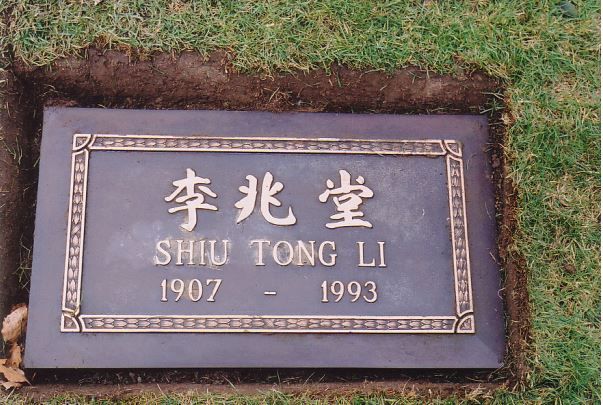
1907 - 1993
“His lectures [were] about human sexual variation, particularly on homosexuality, a still ignorant and controversial topic.”
– Li Shiu Tong upon meeting Dr. Magnus Hirschfeld in Shanghai, China in 1931
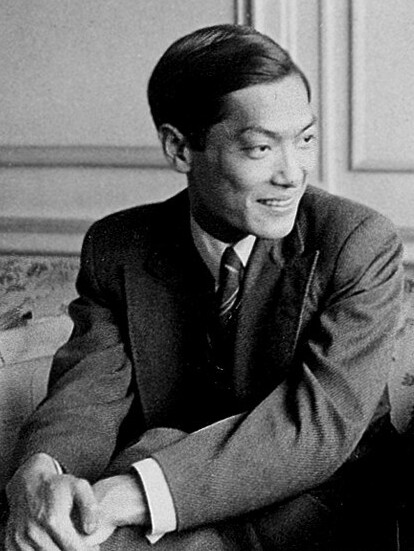
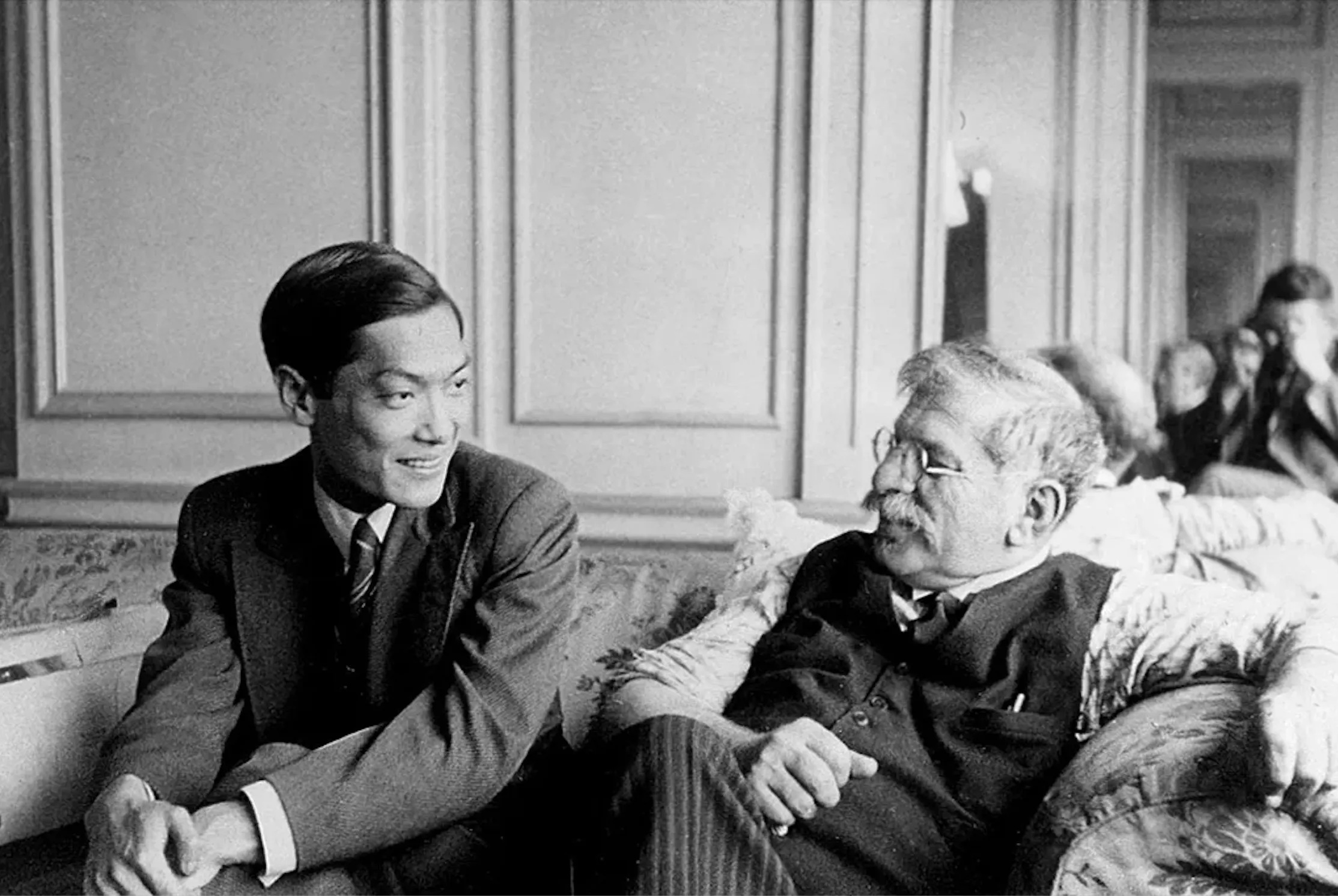
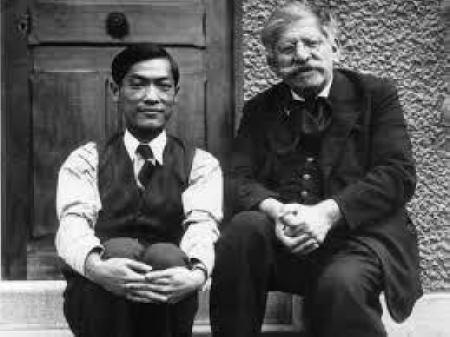
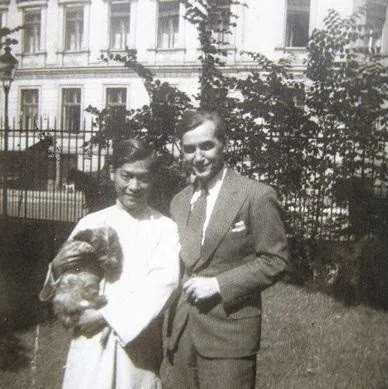
British Hong Kong born Li Shiu Tong (1907) grew up in a wealthy family and went to St. John’s University in Shanghai, China where he studied medicine and read everything he could get his hands on about homosexuality. This is where he met his future teacher, mentor and eventual romantic partner Dr. Magnus Hirschfeld who had come to China in 1931 to give public lectures about the science of sex. Li attended the then 63 year old Hirschfeld’s first lecture for Chinese feminists at China United Apartments. After the lecture, Li introduced himself and offered to be his companion and interpreter while in China. Hirschfeld gave Li the nickname Tao Li which means peaches and plums, upstanding pupil and the use of peaches as a homosexuality symbol in China. Li decided to drop out of college at age 24 and travel with Hirschfeld to Beijing, Nanjing and other locales and also study sexology. His father approved of Li’s choices because he hoped his son would become “the Hirschfeld of China.” Li, who was using the alias Mr. Mann Lee at the time, and Hirschfeld met with the Kuomintang Minister of Health to discuss prostitution, birth control and homosexuality. By traveling with Hirschfeld, Li hoped to eventually study at a European university. He experienced racism during the tour including not being able to leave the ship to enter the then American-occupied Manila in the Philippines until he got special clearance. This was due to the U.S. laws—the Chinese Exclusion Act of 1882 and the Immigration Act of 1924. They also toured Indonesia, South Asia and Egypt. Li and Hirschfeld, who fell in love during the tour, returned to Europe in March 1932 with the intention to go to Berlin so Li could finish medical school. He also had plans to join Hirschfeld at the Institut für Sexualwissenschaft in Berlin (with the intention of becoming Hirschfeld’s successor) but that was derailed due to the growing Nazi Party influence in Germany. They re-routed to Athens where they were joined by Hirschfeld’s long-time romantic partner Karl Giese and the three of them eventually went into exile in Switzerland and later France. While in exile, Li submitted a paper authored by himself and Hirschfeld in 1932 to the Congress of the World League for Sexual Reform in Brno, Czechoslovakia which extensively covered intersex people and that homosexuality was the result of a natural human variation, not a disease. Li also helped Hirschfeld write a memoire of their travels. That book included opinions of Chinese students on imperialism which scholars now attribute to what Li taught Hirschfeld about that part of the world. Li, Hirschfeld and Giese were in Switzerland when the Nazi’s looted and destroyed the Institut für Sexualwissenschaft. Shortly after that, the three men escaped to France where they lived in Paris and Nice from 1933-1935. When Hirschfeld died in 1935 in France, his will named Li and Giese primary heirs and he also made Li his intellectual heir with an inheritance so he could carry on Hirschfeld’s legacy. Li was a University of Zürich medical student at the time. A 1939 novel based on Li’s life in the south of France and Zürich, That Which is Hidden, was written by Robert Hichens. Li spent the rest of the 1930’s drifting after Hirschfeld’s death. When World War II broke out in Europe, Li got scared and tried to leave Switzerland which he did in 1941 when he got a visa from the United States. Li arrived in New York City from Lisbon, Portugal in a refugee ship. He moved to Massachusetts to study at Harvard University for the next three years but didn’t graduate. In 1944, Li moved to Washington, D.C. to work for the Chinese embassy and shortly after the war ended he moved back to Zürich to resume his medical studies. Li moved back to Hong Kong in 1960 where he stayed until 1974, the year he moved to Vancouver, Canada. He lived for the rest of his life alongside many of his family members who had already moved there. Li died in 1993 at St. Paul’s Hospital in Vancouver at age 86. His youngest brother handled his affairs and ended up throwing many of his belongings, including Hirschfeld’s personal items which he inherited, and manuscripts for an unpublished book in a nearby dumpster. A neighbor discovered the manuscript, an old German passport from the 1930s, black and white photographs, a small journal, some letters and Hirschfeld’s death mask. Li’s manuscript and the other items found in the dumpster and at his brother’s house are now housed at Berlin’s Magnus Hirschfeld Society. In the manuscript, Li demonstrated he was a sexologist in his own right. He wrote about his life after Hirschfeld’s death and the data he collected while living in Zürich, Hong Kong and Vancouver in which he argued that 40 percent of people are bisexual, 20 percent were gay or lesbian and only 30 percent were straight with the last 10 percent described as other. Li also said being a transgender person was an important, beneficial part of the human experience. These findings ran counter to what Hirschfeld said which was that bisexual people were scarce and gay and lesbian people were only a small part of the population. Recent polling in the United States shows that about 25 percent of Gen Z identifies as members of the LGBTQ+ community which is closer to Li’s findings than Hirschfeld’s.
1907 - 1993
“His lectures [were] about human sexual variation, particularly on homosexuality, a still ignorant and controversial topic.”
– Li Shiu Tong upon meeting Dr. Magnus Hirschfeld in Shanghai, China in 1931
British Hong Kong born Li Shiu Tong (1907) grew up in a wealthy family and went to St. John’s University in Shanghai, China where he studied medicine and read everything he could get his hands on about homosexuality. This is where he met his future teacher, mentor and eventual romantic partner Dr. Magnus Hirschfeld who had come to China in 1931 to give public lectures about the science of sex. Li attended the then 63 year old Hirschfeld’s first lecture for Chinese feminists at China United Apartments. After the lecture, Li introduced himself and offered to be his companion and interpreter while in China. Hirschfeld gave Li the nickname Tao Li which means peaches and plums, upstanding pupil and the use of peaches as a homosexuality symbol in China. Li decided to drop out of college at age 24 and travel with Hirschfeld to Beijing, Nanjing and other locales and also study sexology. His father approved of Li’s choices because he hoped his son would become “the Hirschfeld of China.” Li, who was using the alias Mr. Mann Lee at the time, and Hirschfeld met with the Kuomintang Minister of Health to discuss prostitution, birth control and homosexuality. By traveling with Hirschfeld, Li hoped to eventually study at a European university. He experienced racism during the tour including not being able to leave the ship to enter the then American-occupied Manila in the Philippines until he got special clearance. This was due to the U.S. laws—the Chinese Exclusion Act of 1882 and the Immigration Act of 1924. They also toured Indonesia, South Asia and Egypt. Li and Hirschfeld, who fell in love during the tour, returned to Europe in March 1932 with the intention to go to Berlin so Li could finish medical school. He also had plans to join Hirschfeld at the Institut für Sexualwissenschaft in Berlin (with the intention of becoming Hirschfeld’s successor) but that was derailed due to the growing Nazi Party influence in Germany. They re-routed to Athens where they were joined by Hirschfeld’s long-time romantic partner Karl Giese and the three of them eventually went into exile in Switzerland and later France. While in exile, Li submitted a paper authored by himself and Hirschfeld in 1932 to the Congress of the World League for Sexual Reform in Brno, Czechoslovakia which extensively covered intersex people and that homosexuality was the result of a natural human variation, not a disease. Li also helped Hirschfeld write a memoire of their travels. That book included opinions of Chinese students on imperialism which scholars now attribute to what Li taught Hirschfeld about that part of the world. Li, Hirschfeld and Giese were in Switzerland when the Nazi’s looted and destroyed the Institut für Sexualwissenschaft. Shortly after that, the three men escaped to France where they lived in Paris and Nice from 1933-1935. When Hirschfeld died in 1935 in France, his will named Li and Giese primary heirs and he also made Li his intellectual heir with an inheritance so he could carry on Hirschfeld’s legacy. Li was a University of Zürich medical student at the time. A 1939 novel based on Li’s life in the south of France and Zürich, That Which is Hidden, was written by Robert Hichens. Li spent the rest of the 1930’s drifting after Hirschfeld’s death. When World War II broke out in Europe, Li got scared and tried to leave Switzerland which he did in 1941 when he got a visa from the United States. Li arrived in New York City from Lisbon, Portugal in a refugee ship. He moved to Massachusetts to study at Harvard University for the next three years but didn’t graduate. In 1944, Li moved to Washington, D.C. to work for the Chinese embassy and shortly after the war ended he moved back to Zürich to resume his medical studies. Li moved back to Hong Kong in 1960 where he stayed until 1974, the year he moved to Vancouver, Canada. He lived for the rest of his life alongside many of his family members who had already moved there. Li died in 1993 at St. Paul’s Hospital in Vancouver at age 86. His youngest brother handled his affairs and ended up throwing many of his belongings, including Hirschfeld’s personal items which he inherited, and manuscripts for an unpublished book in a nearby dumpster. A neighbor discovered the manuscript, an old German passport from the 1930s, black and white photographs, a small journal, some letters and Hirschfeld’s death mask. Li’s manuscript and the other items found in the dumpster and at his brother’s house are now housed at Berlin’s Magnus Hirschfeld Society. In the manuscript, Li demonstrated he was a sexologist in his own right. He wrote about his life after Hirschfeld’s death and the data he collected while living in Zürich, Hong Kong and Vancouver in which he argued that 40 percent of people are bisexual, 20 percent were gay or lesbian and only 30 percent were straight with the last 10 percent described as other. Li also said being a transgender person was an important, beneficial part of the human experience. These findings ran counter to what Hirschfeld said which was that bisexual people were scarce and gay and lesbian people were only a small part of the population. Recent polling in the United States shows that about 25 percent of Gen Z identifies as members of the LGBTQ+ community which is closer to Li’s findings than Hirschfeld’s.
Demography
Demography
Gender Male
Sexual Orientation Gay
Gender Identity Cisgender
Ethnicity Asian/Pacific Rim
Nations Affiliated Canada France Hong Kong SAR China Switzerland
Era/Epoch Cold War (1945-1991) Information Age (1970-present) Interwar Period (1918-1939) World War II (1939-1945)
Field(s) of Contribution
Advocacy & Activism
Author
Media & Communications
Social Justice
Social Sciences
STEM & Medicine
World History
Demography
Gender Male
Sexual Orientation Gay
Gender Identity Cisgender
Ethnicity Asian/Pacific Rim
Nations Affiliated Canada France Hong Kong SAR China Switzerland
Era/Epoch Cold War (1945-1991) Information Age (1970-present) Interwar Period (1918-1939) World War II (1939-1945)
Field(s) of Contribution
Advocacy & Activism
Author
Media & Communications
Social Justice
Social Sciences
STEM & Medicine
World History
Resources
Resources
Marhoefer, Laurie. Racism and the Making of Gay Rights: A Sexologist, His Student, and the Empire of Queer Love. Toronto, Canada: University of Toronto Press, 2022.
https://epgn.com/2025/10/13/li-shiu-tong-the-man-behind-magnus-hirschfeld/
https://xtramagazine.com/power/the-mystery-of-li-shiu-tong-43055
https://www.bryansharland.com/pink-triangle-portraits/li-shiu-tong
https://www.hirschfeld.in-berlin.de/publikationen/dose_alms.pdf
Resources
Marhoefer, Laurie. Racism and the Making of Gay Rights: A Sexologist, His Student, and the Empire of Queer Love. Toronto, Canada: University of Toronto Press, 2022.
https://epgn.com/2025/10/13/li-shiu-tong-the-man-behind-magnus-hirschfeld/
https://xtramagazine.com/power/the-mystery-of-li-shiu-tong-43055
https://www.bryansharland.com/pink-triangle-portraits/li-shiu-tong
https://www.hirschfeld.in-berlin.de/publikationen/dose_alms.pdf