

Biography
1938 - 2024
"If you want to change the future, start living as if you're already there."
- Lynn Conway
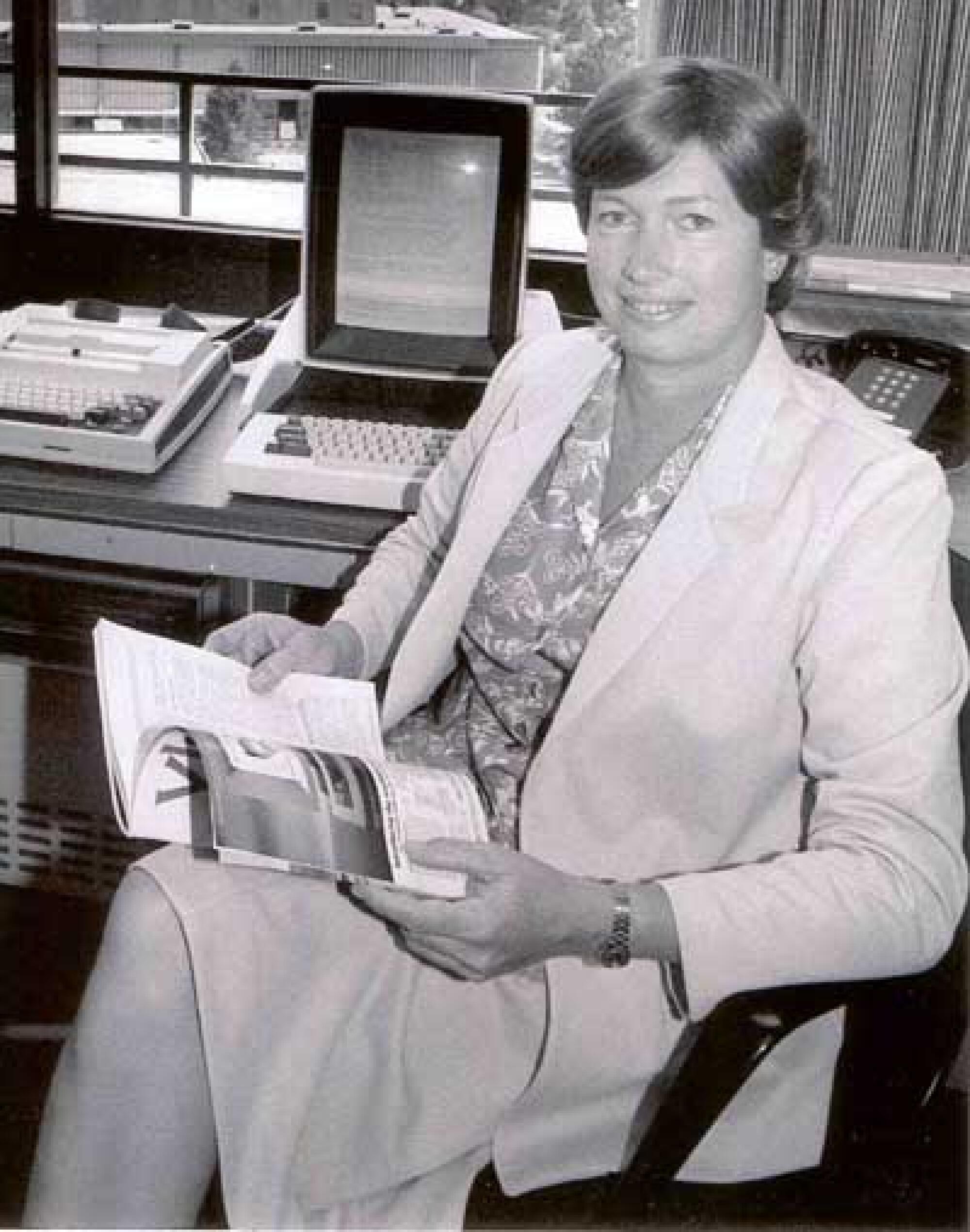
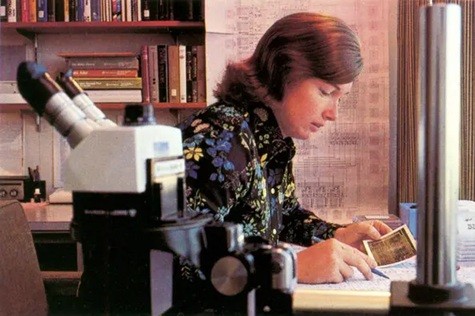
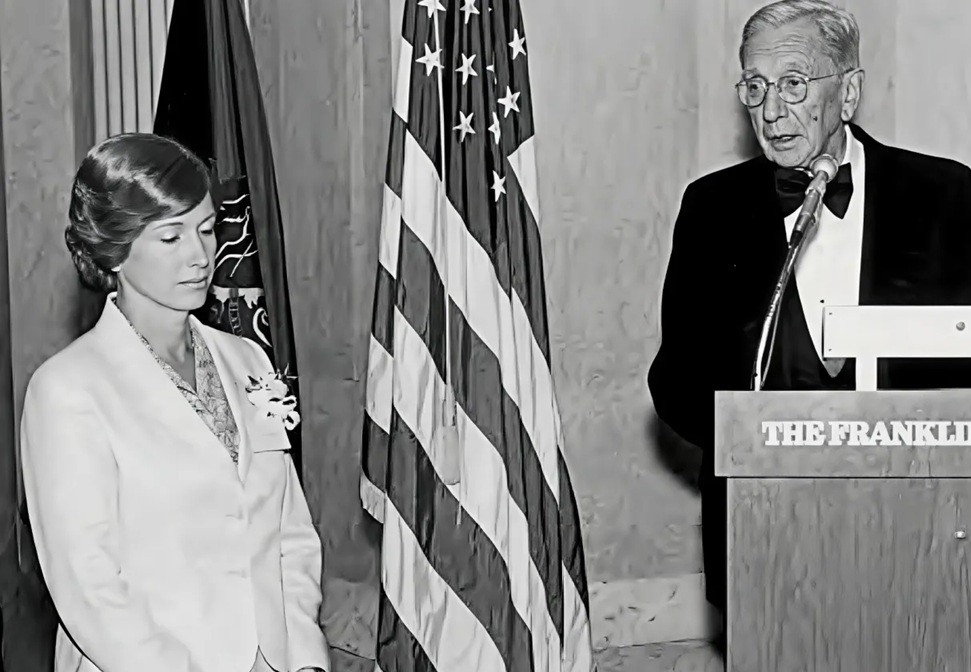
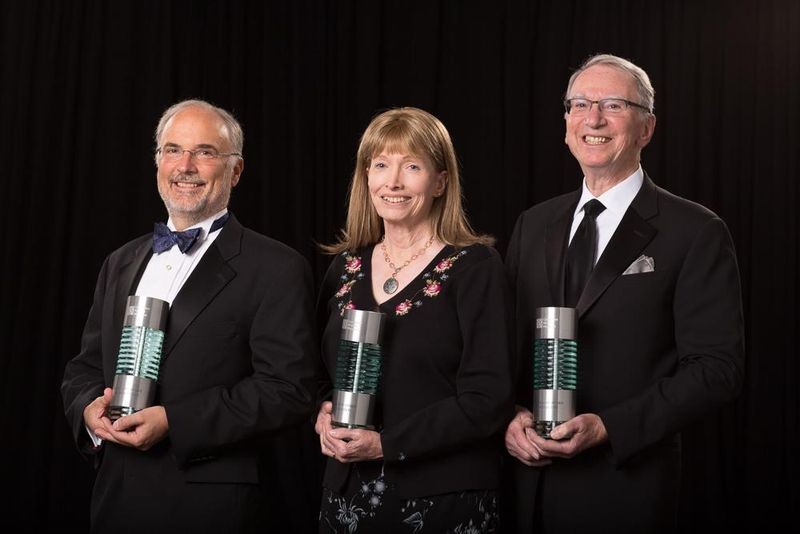
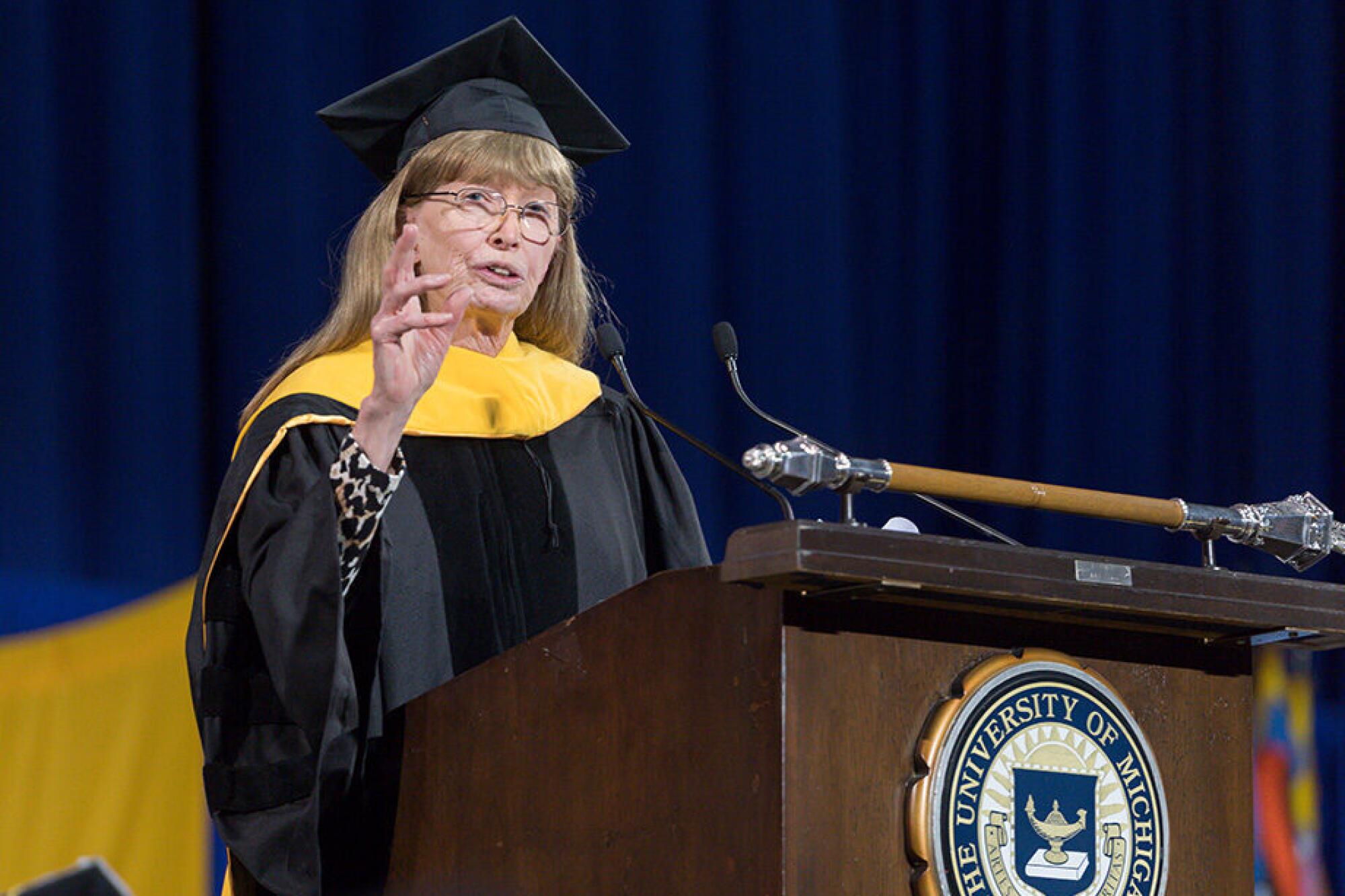
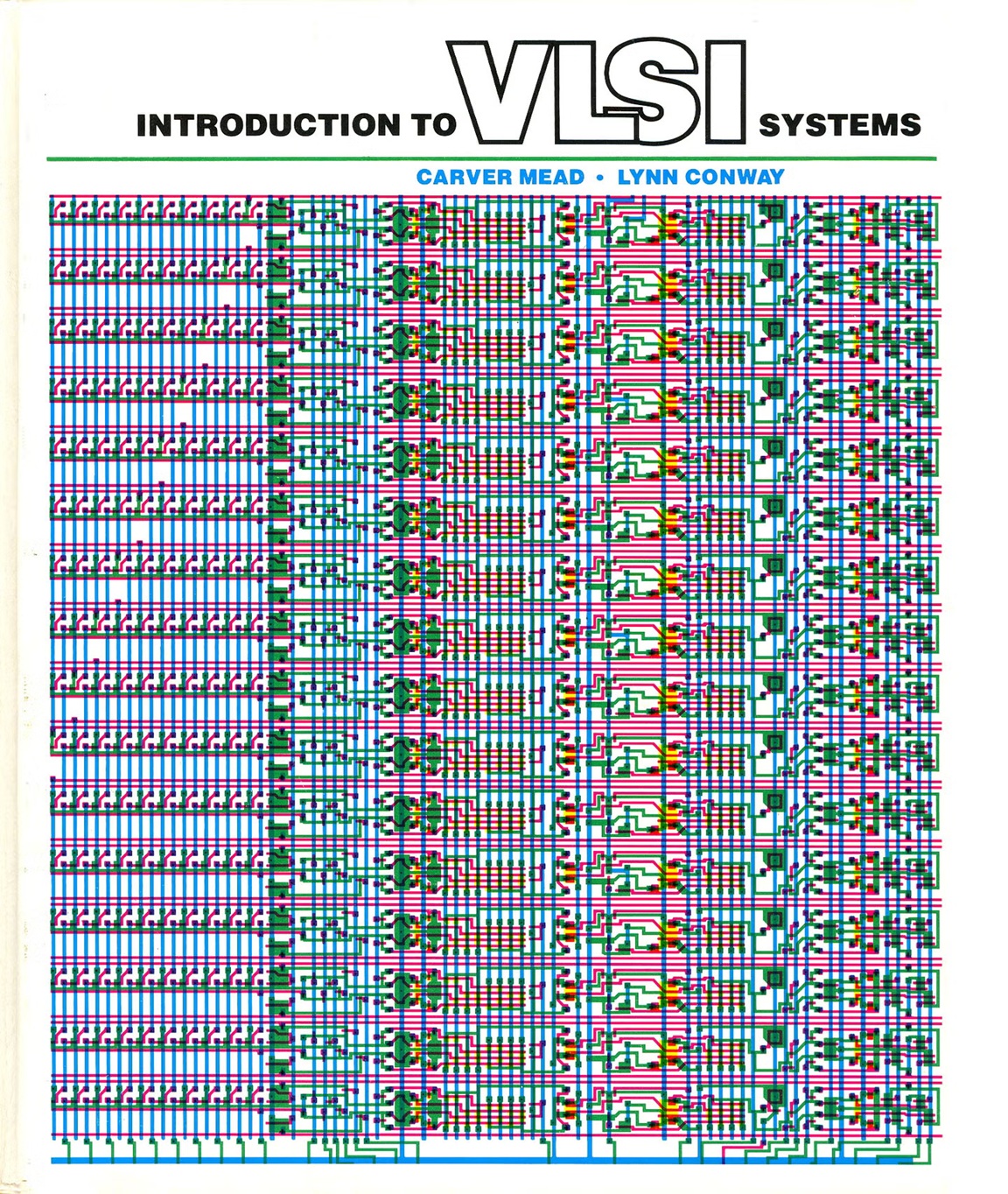
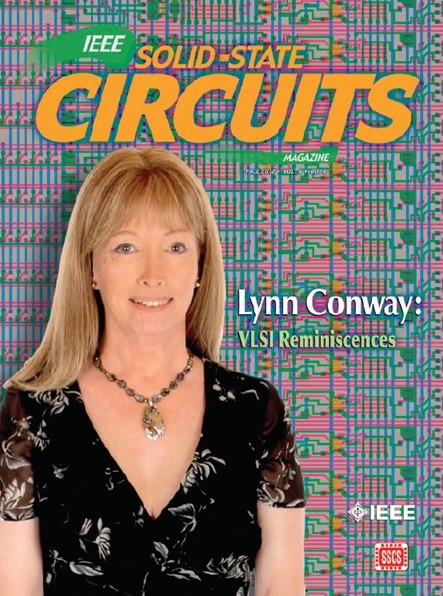
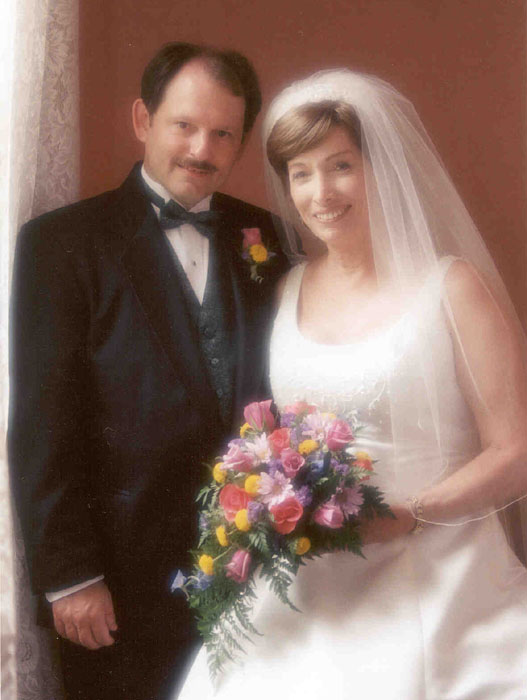
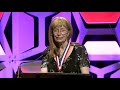
Lynn Conway revolutionized the way people use computers through her work as a computer engineer/scientist in the 1960s and 70s. Her visionary accomplishments are why people are able to have personal computers, tablets and smartphones today. Conway’s journey in the computer field began when she was shy and reserved child who became fascinated with astronomy and built a six-inch reflector telescope one summer to further her interests. Conway, who was assigned male at birth, recognized her gender identity as a teenager and started the gender confirmation process at the age of 19 in 1957 while she was attending the Massachusetts Institute of Technology (MIT). Due to the social and medical barriers Conway faced she was forced to detransition. She also withdrew from MIT before she was able to graduate. A few years later, Conway got her Bachelor of Science (1962) and Master of Science (1963) in electrical engineering degrees from Columbia University’s School of Engineering and Applied Science. In 1964, Conway was recruited by IBM Research where she was selected to join a team that worked on the successful Advanced Computing System project. Throughout this time, Conway experienced clinical depression due to her gender dysphoria, so she decided to take the steps towards gender confirmation surgery beginning with counseling and hormone replacement therapy. When she told her IBM bosses about her transition plans, they fired her. She also lost custody of her two children to her then-wife, whom she married in 1963. After Conway transitioned, she went “stealth” and rebuilt her career at Computer Applications, Inc where she worked as a contract programmer in 1968 and at Memorex where she worked as a digital systems designer and computer architect from 1969-1972. In 1973, Conway was hired to work at the Xerox Palo Alto Research Center as the "LSI Systems" group lead and co-authored Introduction to VLSI Systems and the Mead–Conway VLSI chip design revolution. This design revolution in microchip technology that Conway and Carter Mead worked on is why everyone now has access to personal computers, tablets and smartphones. Because Mead got more credit for this innovative technology despite him not seeking sole credit for it, Conway coined the term “Conway Effect” to denote when women and non-white people of all genders are not given credit for the work they do in the computing field. She was also denied induction into the National Inventors Hall of Fame in 2009 alongside Mead. She was not invited to the ceremony and didn’t find out about it until after it happened. Her erasure was rectified in 2014 when she was inducted into the National Inventors Hall of Fame. In 1978, Conway was hired by MIT to be an electrical engineering and computer science visiting associate professor where she taught a VLSI design course. Conway left Xerox in 1983 to work for the Department of Defense’s research and development Defense Advanced Research Projects Agency where she played a key role in their Strategic Computing Initiative. Two years later, Conway became a University of Michigan Associate Dean of Engineering, electrical engineering and computer science professor, and researcher. She continued to work at the University of Michigan until her retirement in 1998 as professor emerita. In 1999, Conway broke “stealth” and revealed to friends and colleagues that she was a transgender woman. This is when her work as a trans activist began. One of the ways she did this was through her own website called “Transsexual Women's Successes” where she talked about her experience as a trans woman to help others in their coming out journey. Her full life story was told in Scientific American and Los Angeles Times profiles in 2000 and that is when the entire world learned who she was. Conway also lobbied for full legal protections for trans people and for gender dysphoria to be de-stigmatized among psychiatrists. In 2004, an all-trans women Vagina Monologues took place in Los Angeles with Conway as one of the participants. This resulted in a documentary called Beautiful Daughters chronicling their experience as trans women and their Vagina Monologues performances. The International Imperial Court System and the National LGBTQ Task Force named Conway as one of their "Stonewall 40 trans heroes" in 2009. Conway was also cited as one of twenty-one trans person who influenced American culture by Time Magazine in 2014 and included in the 2015 The Trans 100 organization’s list. Additionally, Conway was one of the interview subjects for the Trans Activism Oral History Project in 2020. It took until 2020 for IBM to publicly apologize to Conway for firing her in 1968. This occurred at an IBM event where Conway received the IBM Lifetime Achievement Award for her many decades of innovative work in the computer engineering/scientist field. She died of a heart condition in her home on June 9, 2024, with her husband of 22 years, Charles "Charlie" Rogers, by her side. Conway was posthumously inducted into the Stonewall Inn’s National LGBTQ Wall of Honor in 2025 alongside six other trans icons.
1938 - 2024
"If you want to change the future, start living as if you're already there."
- Lynn Conway
Lynn Conway revolutionized the way people use computers through her work as a computer engineer/scientist in the 1960s and 70s. Her visionary accomplishments are why people are able to have personal computers, tablets and smartphones today. Conway’s journey in the computer field began when she was shy and reserved child who became fascinated with astronomy and built a six-inch reflector telescope one summer to further her interests. Conway, who was assigned male at birth, recognized her gender identity as a teenager and started the gender confirmation process at the age of 19 in 1957 while she was attending the Massachusetts Institute of Technology (MIT). Due to the social and medical barriers Conway faced she was forced to detransition. She also withdrew from MIT before she was able to graduate. A few years later, Conway got her Bachelor of Science (1962) and Master of Science (1963) in electrical engineering degrees from Columbia University’s School of Engineering and Applied Science. In 1964, Conway was recruited by IBM Research where she was selected to join a team that worked on the successful Advanced Computing System project. Throughout this time, Conway experienced clinical depression due to her gender dysphoria, so she decided to take the steps towards gender confirmation surgery beginning with counseling and hormone replacement therapy. When she told her IBM bosses about her transition plans, they fired her. She also lost custody of her two children to her then-wife, whom she married in 1963. After Conway transitioned, she went “stealth” and rebuilt her career at Computer Applications, Inc where she worked as a contract programmer in 1968 and at Memorex where she worked as a digital systems designer and computer architect from 1969-1972. In 1973, Conway was hired to work at the Xerox Palo Alto Research Center as the "LSI Systems" group lead and co-authored Introduction to VLSI Systems and the Mead–Conway VLSI chip design revolution. This design revolution in microchip technology that Conway and Carter Mead worked on is why everyone now has access to personal computers, tablets and smartphones. Because Mead got more credit for this innovative technology despite him not seeking sole credit for it, Conway coined the term “Conway Effect” to denote when women and non-white people of all genders are not given credit for the work they do in the computing field. She was also denied induction into the National Inventors Hall of Fame in 2009 alongside Mead. She was not invited to the ceremony and didn’t find out about it until after it happened. Her erasure was rectified in 2014 when she was inducted into the National Inventors Hall of Fame. In 1978, Conway was hired by MIT to be an electrical engineering and computer science visiting associate professor where she taught a VLSI design course. Conway left Xerox in 1983 to work for the Department of Defense’s research and development Defense Advanced Research Projects Agency where she played a key role in their Strategic Computing Initiative. Two years later, Conway became a University of Michigan Associate Dean of Engineering, electrical engineering and computer science professor, and researcher. She continued to work at the University of Michigan until her retirement in 1998 as professor emerita. In 1999, Conway broke “stealth” and revealed to friends and colleagues that she was a transgender woman. This is when her work as a trans activist began. One of the ways she did this was through her own website called “Transsexual Women's Successes” where she talked about her experience as a trans woman to help others in their coming out journey. Her full life story was told in Scientific American and Los Angeles Times profiles in 2000 and that is when the entire world learned who she was. Conway also lobbied for full legal protections for trans people and for gender dysphoria to be de-stigmatized among psychiatrists. In 2004, an all-trans women Vagina Monologues took place in Los Angeles with Conway as one of the participants. This resulted in a documentary called Beautiful Daughters chronicling their experience as trans women and their Vagina Monologues performances. The International Imperial Court System and the National LGBTQ Task Force named Conway as one of their "Stonewall 40 trans heroes" in 2009. Conway was also cited as one of twenty-one trans person who influenced American culture by Time Magazine in 2014 and included in the 2015 The Trans 100 organization’s list. Additionally, Conway was one of the interview subjects for the Trans Activism Oral History Project in 2020. It took until 2020 for IBM to publicly apologize to Conway for firing her in 1968. This occurred at an IBM event where Conway received the IBM Lifetime Achievement Award for her many decades of innovative work in the computer engineering/scientist field. She died of a heart condition in her home on June 9, 2024, with her husband of 22 years, Charles "Charlie" Rogers, by her side. Conway was posthumously inducted into the Stonewall Inn’s National LGBTQ Wall of Honor in 2025 alongside six other trans icons.
Demography
Demography
Gender Female
Sexual Orientation Straight
Gender Identity Transgender
Ethnicity Caucasian/White
Nations Affiliated United States
Era/Epoch Cold War (1945-1991) Information Age (1970-present) Third-wave Feminism (1990-2012)
Field(s) of Contribution
Academics
Advocacy & Activism
Author
Civics, Government, Politics, & Law
Computer Science
Education
Engineer
Inventor
Mathematics
Science
Social Justice
Social Sciences
STEM & Medicine
US History
Commemorations & Honors
Electronics Trade Journal Achievement Awardee Alongside Carver Mead (1981)
University of Pennsylvania Moore School Harold Pender Awardee Alongside Carver Mead (1984)
IEEE EAB Major Educational Innovation Awardee (1984)
IEEE Fellow for Contributions to VLSI Technology (1985)
Franklin Institute John Price Wetherill Medal Recipient Alongside Carver Mead (1985)
Secretary of Defense Meritorious Civilian Service Awardee (1985)
Society of Women Engineers National Achievement Awardee (1990)
United States Air Force Academy Board of Visitors Presidential Appointee (1996)
Electronic Design Magazine Hall of Fame Inductee (2002)
Named the National Organization of Gay and Lesbian Scientists and Technical Professionals Engineer of the Year (2005)
International Imperial Court System and National LGBTQ Task Force Stonewall Trans Heroes Honorees (2009)
IEEE Computer Society Computer Pioneer Awardee (2009)
Computer History Museum Fellow Awardee for Her Work in Developing and Disseminating New Methods of Integrated Circuit Design (2014)
IEEE/RSE James Clerk Maxwell Medal (2015)
American Association for the Advancement of Science Fellow Awardee (2016)
National Center for Women in Technology Pioneer in Tech Awardee (2019)
IBM Corporation Lifetime Achievement Award (2020)
National Inventors Hall of Fame Inductee (2023)
National LGBTQ Wall of Honor at the Stonewall National Monument Inductee (2025)
Honorary Doctorates at Multiple Institutions of Higher Learning
Demography
Gender Female
Sexual Orientation Straight
Gender Identity Transgender
Ethnicity Caucasian/White
Nations Affiliated United States
Era/Epoch Cold War (1945-1991) Information Age (1970-present) Third-wave Feminism (1990-2012)
Field(s) of Contribution
Academics
Advocacy & Activism
Author
Civics, Government, Politics, & Law
Computer Science
Education
Engineer
Inventor
Mathematics
Science
Social Justice
Social Sciences
STEM & Medicine
US History
Commemorations & Honors
Electronics Trade Journal Achievement Awardee Alongside Carver Mead (1981)
University of Pennsylvania Moore School Harold Pender Awardee Alongside Carver Mead (1984)
IEEE EAB Major Educational Innovation Awardee (1984)
IEEE Fellow for Contributions to VLSI Technology (1985)
Franklin Institute John Price Wetherill Medal Recipient Alongside Carver Mead (1985)
Secretary of Defense Meritorious Civilian Service Awardee (1985)
Society of Women Engineers National Achievement Awardee (1990)
United States Air Force Academy Board of Visitors Presidential Appointee (1996)
Electronic Design Magazine Hall of Fame Inductee (2002)
Named the National Organization of Gay and Lesbian Scientists and Technical Professionals Engineer of the Year (2005)
International Imperial Court System and National LGBTQ Task Force Stonewall Trans Heroes Honorees (2009)
IEEE Computer Society Computer Pioneer Awardee (2009)
Computer History Museum Fellow Awardee for Her Work in Developing and Disseminating New Methods of Integrated Circuit Design (2014)
IEEE/RSE James Clerk Maxwell Medal (2015)
American Association for the Advancement of Science Fellow Awardee (2016)
National Center for Women in Technology Pioneer in Tech Awardee (2019)
IBM Corporation Lifetime Achievement Award (2020)
National Inventors Hall of Fame Inductee (2023)
National LGBTQ Wall of Honor at the Stonewall National Monument Inductee (2025)
Honorary Doctorates at Multiple Institutions of Higher Learning
Resources
Resources









https://www.britannica.com/biography/Lynn-Conway
https://www.transgenderhistorymonth.com/tht/lynn-conway
https://www.nytimes.com/2024/06/15/technology/lynn-conway-dead.html
https://www.washingtonpost.com/obituaries/2024/06/13/lynn-conway-dead/
https://apnews.com/article/lynn-conway-death-scientist-transgender-951e1378c257bda707224686bebb0507
https://www.independent.co.uk/news/world/americas/lynn-conway-death-obituary-b2563216.html
https://www.nytimes.com/2020/11/21/business/lynn-conway-ibm-transgender.html
https://www.invent.org/inductees/lynn-conway
https://computerhistory.org/profile/lynn-conway/
https://computerhistory.org/blog/in-memoriam-lynn-conway-1938-2024/
https://www.thepinknews.com/2024/06/12/lynn-conway-obituary/
https://500queerscientists.com/lynn-conway/
https://swe.org/magazine/in-memoriam-lynn-conway/
https://www.erininthemorning.com/p/trans-woman-and-computer-pioneer
https://ai.eecs.umich.edu/people/conway/LynnsStory.html
Resources
https://www.britannica.com/biography/Lynn-Conway
https://www.transgenderhistorymonth.com/tht/lynn-conway
https://www.nytimes.com/2024/06/15/technology/lynn-conway-dead.html
https://www.washingtonpost.com/obituaries/2024/06/13/lynn-conway-dead/
https://apnews.com/article/lynn-conway-death-scientist-transgender-951e1378c257bda707224686bebb0507
https://www.independent.co.uk/news/world/americas/lynn-conway-death-obituary-b2563216.html
https://www.nytimes.com/2020/11/21/business/lynn-conway-ibm-transgender.html
https://www.invent.org/inductees/lynn-conway
https://computerhistory.org/profile/lynn-conway/
https://computerhistory.org/blog/in-memoriam-lynn-conway-1938-2024/
https://www.thepinknews.com/2024/06/12/lynn-conway-obituary/
https://500queerscientists.com/lynn-conway/
https://swe.org/magazine/in-memoriam-lynn-conway/
https://www.erininthemorning.com/p/trans-woman-and-computer-pioneer
https://ai.eecs.umich.edu/people/conway/LynnsStory.html